Tokyo's Rental Squeeze: What Investor Yields Really Show About Vacancy Pain
As Tokyo's residential vacancy rate climbs, property investors are discovering that headline returns mask a widening gap between aspirations and reality.
As Tokyo's residential vacancy rate climbs, property investors are discovering that headline returns mask a widening gap between aspirations and reality.
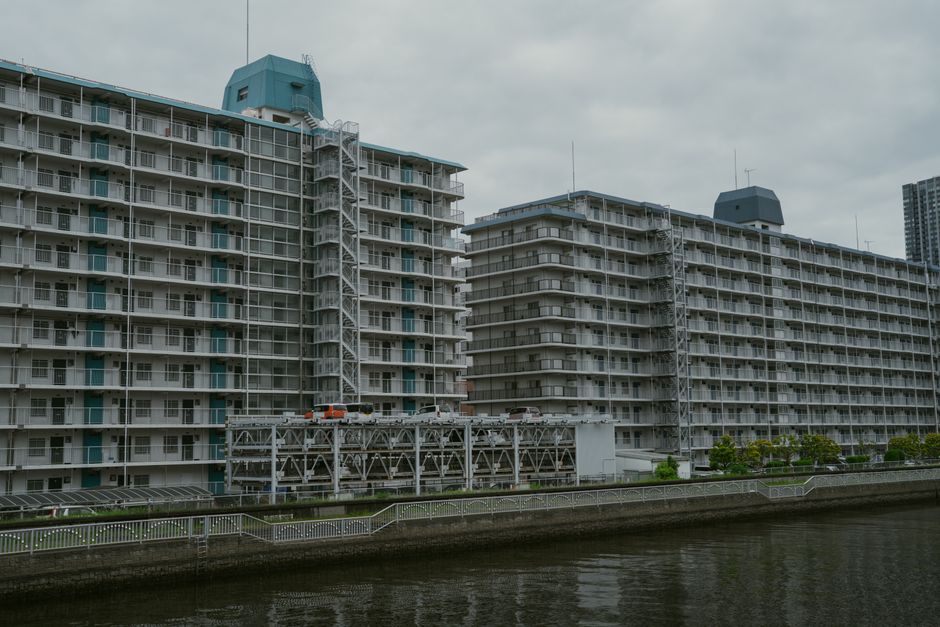
The numbers tell a story Tokyo's property investors are learning to read more carefully. While the metropolitan rental market continues to attract capital, vacancy rates across residential zones have drifted upward to 15–18% in outer wards, a shift that's quietly reshaping yield expectations across Musashino, Suginami, and eastern Adachi.
For investors holding standard residential units—the bread-and-butter segment that typically generates 3.5–4.5% gross yields—the picture has grown complicated. A modest two-bedroom apartment in Kichijoji, once reliably rented within weeks, now sits vacant for 6–8 weeks on average. In Shimokitazawa and Setagaya's family-oriented pockets, where units cluster around JPY 45–55 million, landlords are absorbing longer turnovers and accepting below-asking rents to fill space.
The Yamanote Line premium remains intact. Properties within the central loop—Shibuya, Shinjuku, Minato—still command 2.8–3.2% yields, supported by stable corporate tenant demand and tourist accommodation conversion. But step beyond the circle into Nakano or Koenji, and yields climb to offset rising vacancy: properties there now advertise 4.2–5% returns, a premium that reflects risk, not opportunity.
What's shifted is tenant behaviour. The postpandemic flexibility to work from anywhere has matured. Commuters are no longer bidding aggressively for proximity to Shibuya Crossing or Shinjuku Station. Instead, they're clustering in transit-efficient outer zones—Hachioji's residential boom, Kawagoe's satellite appeal—where affordable family housing and green space matter more than CBD location prestige.
Data from major agent networks shows average lease renewal rates holding at 78–82%, meaning turnover costs and vacancy gaps now consume 8–12% of gross rental income in secondary locations. For investors targeting 4% net yield, that arithmetic no longer works without substantial capex or repositioning.
The institutional response is predictable: conversion to weekly furnished apartments, corporate housing partnerships, and selective downmarket pricing. Smaller landlords holding single units face sharper margins. Those in Suginami's residential core or Musashino's family-belt are adapting by targeting longer leases, professional tenants, and accept lower per-unit returns for stability.
The takeaway isn't dramatic—Tokyo's rental market remains functional and fundamentally sound. But the era of passive yield-and-hold investing is tightening. Investors now must choose between accepting lower returns in less competitive zones, or accepting vacancy risk in premium addresses. The data shows Tokyo's property investors are finally pricing in what vacancy means: not just empty months, but the cost of the market's structural rebalancing toward the suburbs.
This article was compiled by AI from the sources linked above and screened before publishing. See our editorial standards.
How does this story make you feel?
Spread the word
About this article
Published by The Daily Tokyo
Daily brief
Free, in your inbox before 7am. Weekdays.
More in Property


