Beyond the Circle: Where Tokyo Investors Are Actually Making Money
As premium Yamanote Line yields compress, savvy capital is chasing rental returns in outer wards—and the numbers tell a compelling story.
As premium Yamanote Line yields compress, savvy capital is chasing rental returns in outer wards—and the numbers tell a compelling story.
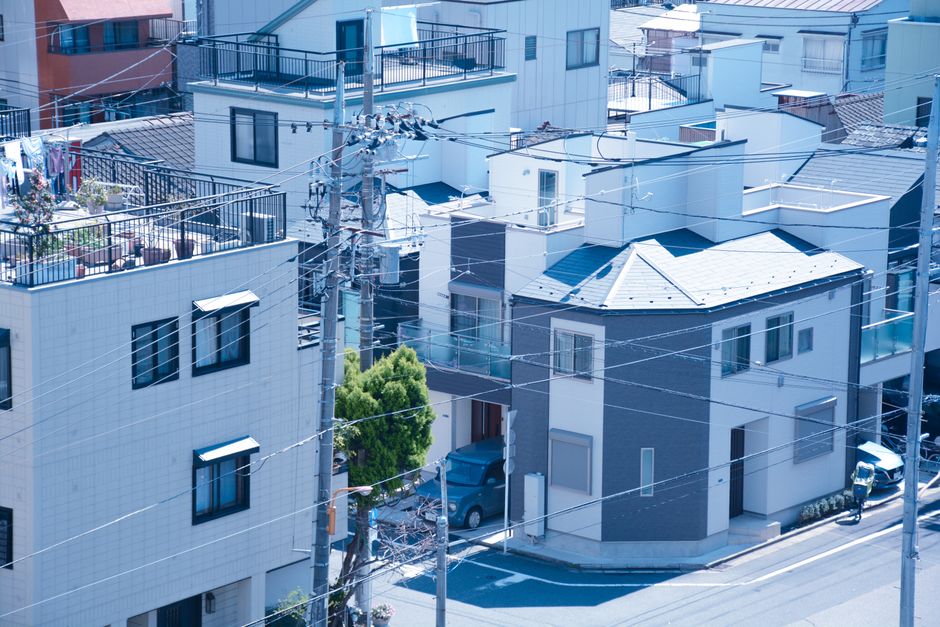
The narrative around Tokyo property has shifted. While central Shibuya and Shinjuku command headline prices, investors hunting tangible yields are increasingly turning their attention to the city's expanding outer metro zones, where compression in traditional markets is forcing a fundamental reassessment of value.
Consider the numbers. Average asking prices in central Tokyo hover near ¥55 million, yet gross rental yields—the ratio of annual rent to purchase price—languish below 2.5 percent. By contrast, emerging neighbourhoods along the Chiyoda and Marunouchi line extensions, particularly around stations like Kasai and Kiba in Edogawa Ward, are delivering 3.8 to 4.2 percent gross yields on comparable two-bedroom units. For investors, that differential matters.
Musashino and Suginami wards, historically positioned as family-friendly suburban alternatives, have become yield laboratories. A modest two-bed apartment in Koenji—celebrated for its vintage record shops, yakitori alleys and proximity to Meiji-dori—trades at roughly ¥32 million today, with monthly rent of ¥125,000 to ¥140,000. The arithmetic: a 4.7 percent gross yield. Three years ago, the same asset generated 3.9 percent.
Why the shift? Supply-demand mechanics are reordering. Younger renters, priced out of Shibuya and Shinjuku, are anchoring demand in transit-connected outer wards. Meanwhile, the 'Home for a Home' initiatives supporting vulnerable overseas families have diversified tenant pools, stabilising long-term occupancy rates in areas once considered speculative.
The data also reflect structural changes. Regulatory headwinds—tighter short-term rental restrictions and new clearance requirements—have thinned speculative positioning in premium zones. Institutional investors, adapting to compressed yields, are deploying capital into secondary markets where fundamentals favour stable, medium-term rental returns.
Station proximity remains the anchor metric. Properties within 800 metres of major interchanges—Ogikubo Station in Suginami, Shimokitazawa in Setagaya—are commanding premiums. However, even at elevated valuations, these locations deliver yields 40 to 60 basis points above equivalent Yamanote Line stock.
The broader pattern: Tokyo's property investment landscape is normalising. The era of capital appreciation as primary driver is ceding to rental yield fundamentals. For investors recalibrating strategy, the message is clear. The money isn't in the headlines anymore. It's in the stations beyond them.
This article was compiled by AI from the sources linked above and screened before publishing. See our editorial standards.
How does this story make you feel?
Spread the word
About this article
Published by The Daily Tokyo
Daily brief
Free, in your inbox before 7am. Weekdays.
More in Property


