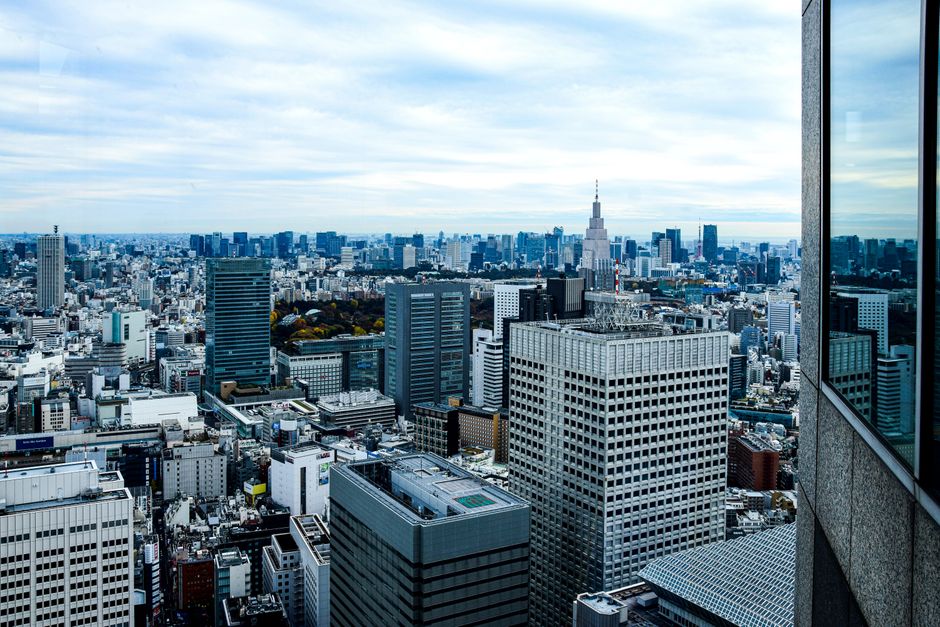
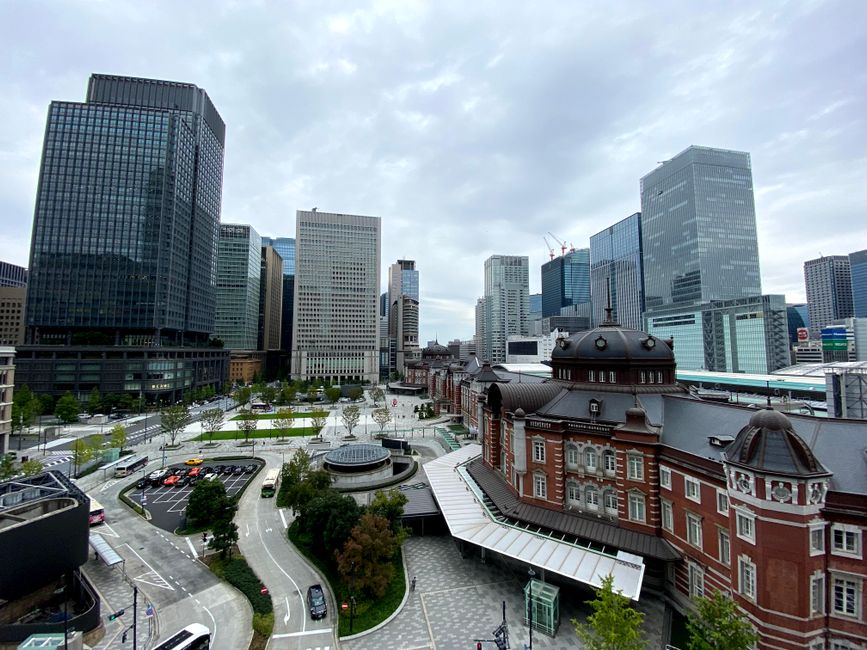
Tokyo's rental landscape is undergoing a quiet but significant transformation. For decades, landlords in premium Yamanote Line zones enjoyed the upper hand—low vacancies, stable yields, and abundant applicants. Today, that calculus is shifting in ways that surprise both sides of the lease.
Recent data shows vacancy rates in core Shibuya and Shinjuku wards hovering between 4–6%, tighter than the broader metropolitan average of 8–10%. Yet this apparent scarcity masks a deeper complexity. In Musashino and Suginami, family-oriented outer metro corridors, vacancies have climbed to 12–14% as younger households reassess commute versus affordability. The average rent for a two-bedroom apartment in Shinjuku remains anchored around ¥180,000–220,000 monthly, while comparable units in Kichijoji or along the Chuo Line command ¥140,000–160,000.
This divergence is forcing landlords to adapt. Properties languishing vacant for 60+ days—once rare in central wards—now represent a genuine cost burden. Some owners near Ikebukuro Station and along Okubo-dori are offering rent reductions or concessions (deposit waiver, key money forgiveness) to attract tenants. Meanwhile, tenants in less-contested outer zones enjoy genuine negotiating power for the first time in years.
The psychological shift is equally striking. Tenant expectations around contract flexibility, remote-work suitability, and digital payment options have risen sharply. Younger renters exploring neighborhoods like Nakano or Ogikubo—historically overlooked—now demand English-language support and photo-documented move-in inspections. Properties that cannot meet these standards sit vacant longer.
For vulnerable populations—overseas families, elderly renters, those with irregular income—the picture remains challenging despite softer overall conditions. Guarantor requirements remain stringent, and discrimination persists, even as some progressive agencies in Roppongi and Azabu-Juban pilot international-tenant support programs.
The 'Home for a Home' ethos gaining traction nationwide reflects a broader recognition: rental markets function best when supply and demand align with dignity and transparency. Tokyo's current moment—neither a landlord's nor a tenant's market—offers a genuine opening for reform. Property managers and agents who embrace longer lease terms, transparent pricing, and genuine accessibility are finding that vacancies resolve faster and tenant retention improves.
As Tokyo's economy stabilizes post-2025, expect this recalibration to deepen. The days of blank-check tenant concessions to landlords are ending. Simultaneously, the fantasy of infinite renters chasing scarce units is fading. What remains is a more honest, localized market—one where Yamanote premium neighborhoods compete on more than just proximity to Shibuya Crossing.
This article was compiled by AI from the sources linked above and screened before publishing. See our editorial standards.