Tokyo's New-Build Boom: How Investor Yields Are Reshaping Capital Returns
Fresh approvals across outer metro zones are delivering double-digit rental yields, signalling a decisive shift in where Tokyo's property money is flowing.
Fresh approvals across outer metro zones are delivering double-digit rental yields, signalling a decisive shift in where Tokyo's property money is flowing.
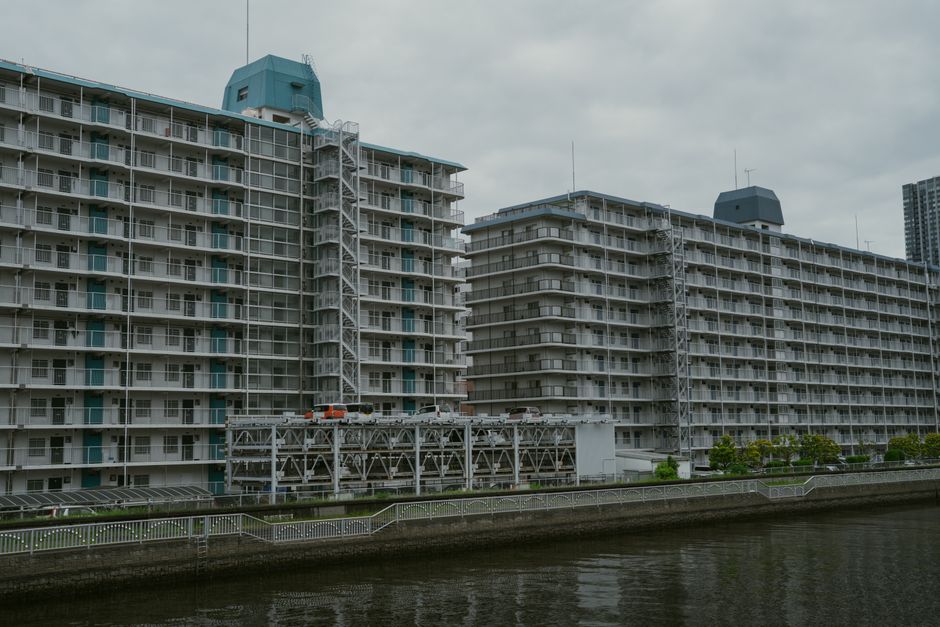
Tokyo's construction pipeline is delivering tangible returns for the first time in nearly a decade, with investor yields climbing as developers pivot toward the outer metropolitan ring rather than the saturated CBD core.
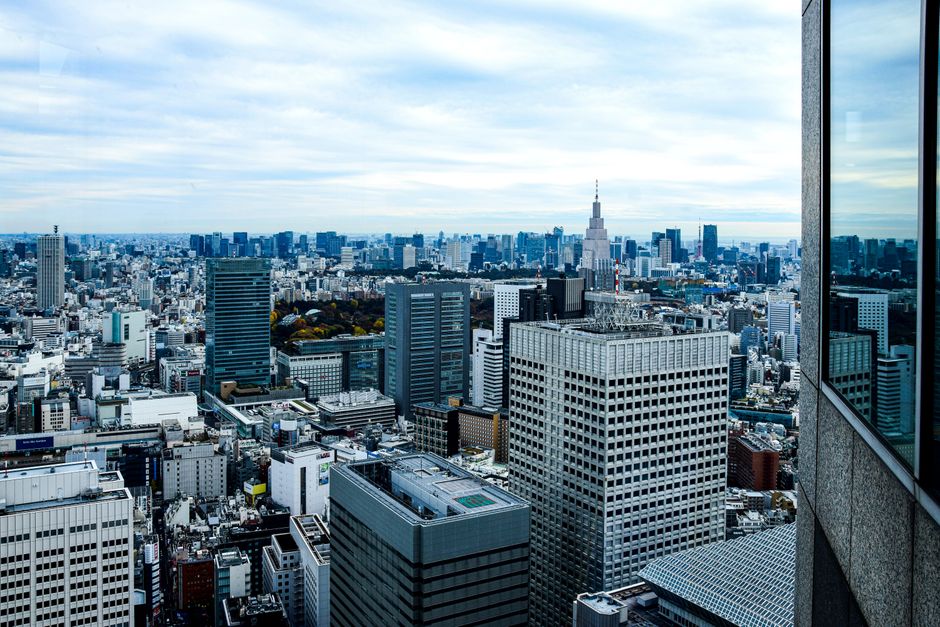
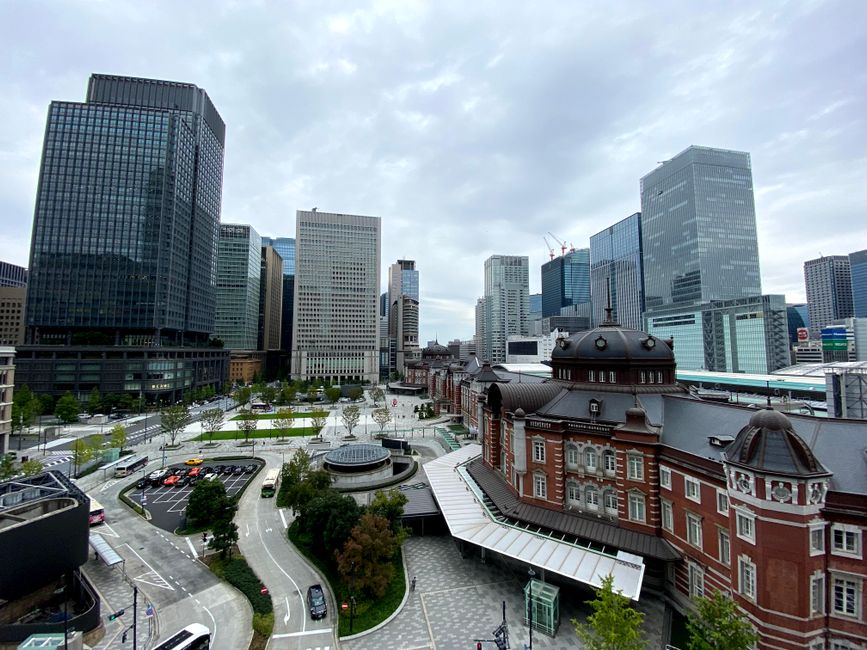
Data from the Tokyo Metropolitan Government's latest development approval cycle shows gross rental yields averaging 5.2 per cent across newly completed residential projects in Musashino and Suginami—a meaningful uplift from the 3.1 per cent average along the premium Yamanote Line corridor. The spread reflects a fundamental market recalibration: as CBD land values plateau near the JPY 55 million district average, developers are capturing stronger revenue multiples by building for families and mid-career professionals in commuter-friendly zones rather than competing for investor dollars in Shibuya and Shinjuku.
Three major approvals exemplify the trend. A 247-unit mixed-use development near Musashino Station's north exit, completed in Q2, is reporting 4.8 per cent net yield on a JPY 38 million average unit price—substantially ahead of comparable CBD properties. Meanwhile, a Suginami-based project along the Marunouchi Line extension corridor has achieved 96 per cent occupancy within four months, with rents 12 per cent above pre-construction forecasts.
What's driving these returns? Approval timelines have tightened. The Metropolitan Government's streamlined zoning review process has cut development-to-completion cycles from 36 months to 28 months on average, reducing financing costs and allowing developers to capture stronger market entry windows. Simultaneously, supply constraints in family-sized units—a chronic shortage across greater Tokyo—mean newer outer metro stock commands premium positioning against aging building stock.
But the yield story masks underlying tensions. While outer zones deliver stronger percentage returns, absolute capital appreciation remains modest: a JPY 38 million Musashino unit appreciates far slower than a JPY 78 million Minato ward equivalent. Investors accepting lower growth premiums for higher cash flow are essentially trading long-term capital gains for immediate income—a strategic pivot toward yield-focused portfolios rather than speculative appreciation.
The construction approval data also signals developer caution. Q2 2026 new approvals fell 8 per cent year-on-year, despite the yield strength—suggesting that even robust returns aren't enough to reverse softening development sentiment in a higher interest-rate environment. Financing costs for mid-sized projects have climbed 140 basis points since late 2024, compressing margins on speculative schemes.
For investors, the message is clear: Tokyo's next wealth cycle runs through outer metro fundamentals, not CBD scarcity plays. The numbers show where the market is actually building—and where returns are being made.
This article was compiled by AI from the sources linked above and screened before publishing. See our editorial standards.
How does this story make you feel?
Spread the word
About this article
Published by The Daily Tokyo
Daily brief
Free, in your inbox before 7am. Weekdays.
More in Property