Chiyoda's Quiet Corner: How Investors Are Banking on Iidabashi's Yield Momentum
As central Tokyo rents rise, data shows outer Chiyoda ward is delivering stable returns—but the numbers tell a cautious story.
As central Tokyo rents rise, data shows outer Chiyoda ward is delivering stable returns—but the numbers tell a cautious story.
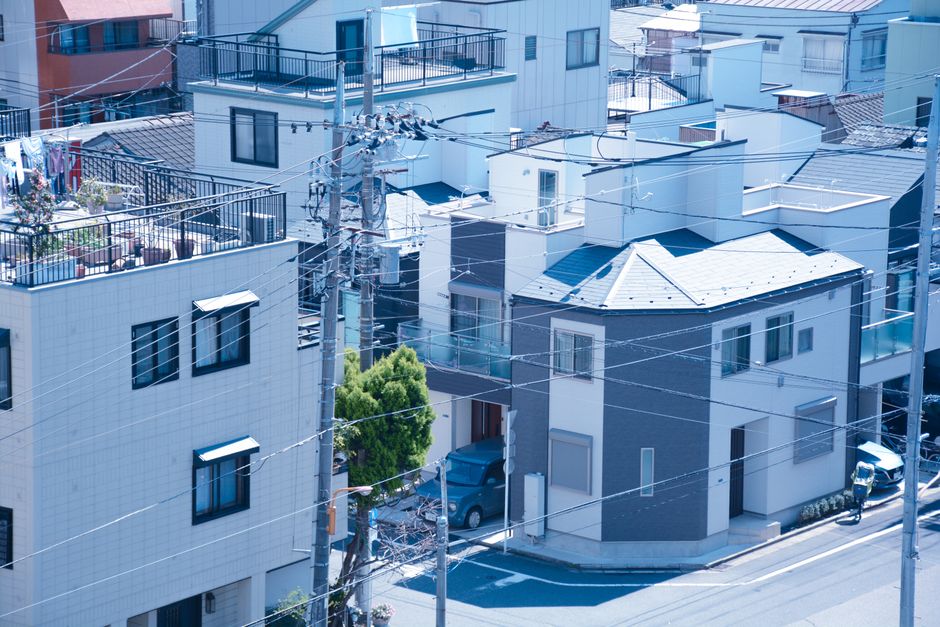
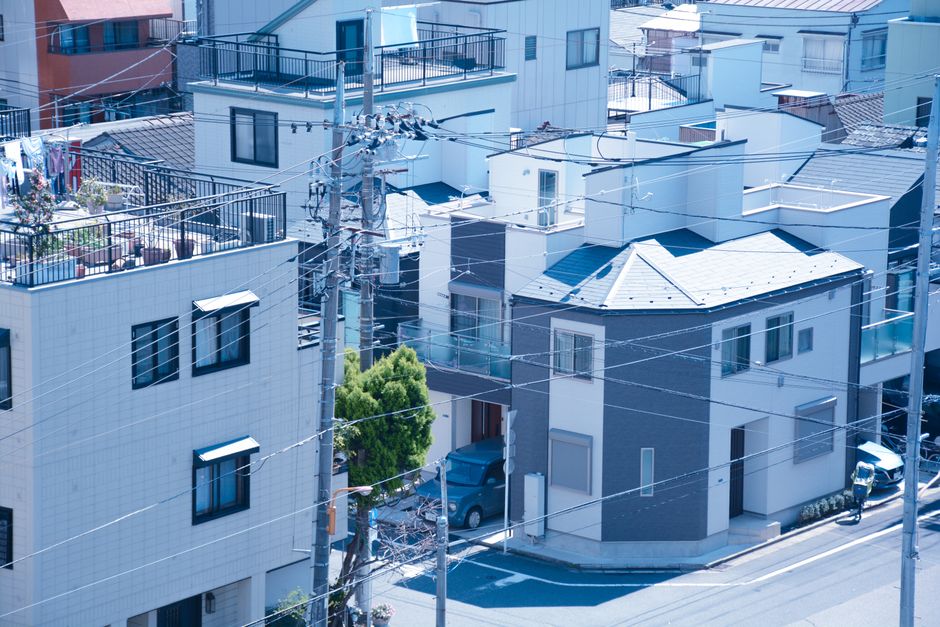
While Shibuya and Shinjuku continue to command premium valuations around the ¥80–120 million mark for compact apartments, savvy investors are quietly repositioning capital toward Iidabashi and the emerging pockets of Chiyoda ward, where rental yields are telling a more compelling story than headline prices alone.
Iidabashi, straddling the Ōuedo and Tōzai metro lines, has emerged as a secondary play for yield-focused portfolios. A recent sample of rental-listed one-bedroom units near Iidabashi Station shows asking prices hovering around ¥38–42 million, with monthly rents in the ¥130,000–¥150,000 range—translating to gross yields of 3.7–4.7 percent. That's a meaningful spread above the Yamanote Line circle average of roughly 2.8–3.2 percent, where capital appreciation often dominates over rental income.
The Tokyo Metropolitan Government's 2025 housing data indicates outer Chiyoda and adjacent Bunkyo wards are experiencing modest but steady tenant demand, driven partly by young professionals priced out of Minato and younger families hedging against Shibuya's cooling multiples. Office workers commuting to the CBD via Iidabashi station—a major transport hub—provide consistent occupancy ballast, with average vacancy rates in the 4–6 percent range rather than the 8–10 percent seen in some central locations.
What distinguishes Iidabashi from pure speculative plays is its infrastructure maturity. The Ōuedo Line connection to Shinjuku and Shibuya took the pressure off rent growth around 2018–2020, but stabilisation has since attracted long-term hold strategies. The nearby Iidabashi Mint building—home to government offices and cultural institutions—anchors foot traffic. Ramen alley, a warren of traditional shops, and the pedestrian strips around Kagurazaka inject character that commands modest premiums.
For investors, the math is unforgiving but transparent. A ¥40 million purchase at 4 percent yield generates ¥1.6 million annual rental income. After property taxes (roughly ¥300,000–¥400,000 annually in Tokyo), maintenance fees (¥12,000–¥18,000 monthly), and vacancy provisions, net yield shrinks to 2.5–3 percent. That's not a home run—but it's defensible in a market where central Tokyo price-to-rent ratios have stretched beyond 30-year historical norms.
The cautionary note: Iidabashi's appeal depends on sustained professional-class migration away from core wards. Any sharp interest rate rise or office sector contraction could hollow out demand. Still, data from residential agents suggests investor interest has hardened around three-to-five-year hold horizons, treating Iidabashi not as a speculative flip but as a yield factory with modest upside—a calculation the headline numbers alone don't capture.
This article was compiled by AI from the sources linked above and screened before publishing. See our editorial standards.
How does this story make you feel?
Spread the word
About this article
Published by The Daily Tokyo
Daily brief
Free, in your inbox before 7am. Weekdays.
More in Property