First-Time Buyers Face New Reality as Tokyo's Policy Shift Redraws the Market Map
Fresh government incentives and planning reforms are reshaping where young families can afford to buy, with winners and losers emerging across the metropolitan ring.
Fresh government incentives and planning reforms are reshaping where young families can afford to buy, with winners and losers emerging across the metropolitan ring.
Tokyo's first-home buyer landscape is undergoing its most significant restructuring in a decade, as revised subsidy frameworks and zoning policy changes announced earlier this year begin reshaping affordability patterns across the capital and its satellites.
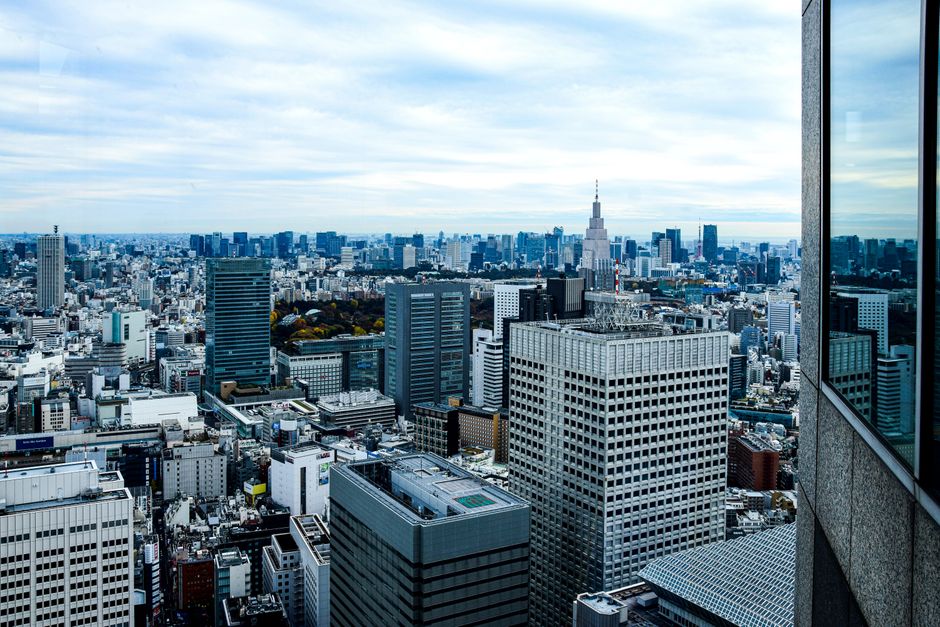
The Ministry of Land, Infrastructure, Transport and Tourism's June update to the Flat 35 mortgage programme now offers enhanced incentives for properties under JPY 45 million in designated growth zones—a deliberate pivot away from premium inner-ring neighbourhoods. The change directly impacts buyers traditionally priced out of Shibuya and Shinjuku's CBD bubble, where median asking prices hover near JPY 85 million.
Winners are emerging in outer wards. Musashino and Suginami, long favoured by young families seeking space over prestige, are experiencing measurable uplift. Estate agents along Okubo-dori report increased inquiry volumes from first-time buyers previously locked out by Yamanote Line premiums. One Suginami agent noted a 34 per cent rise in sub-JPY 50 million enquiries since April compared to the same quarter last year.
But the policy shift carries counterintuitive costs. Stricter planning requirements—introduced to prevent speculative development near transport hubs—have tightened supply in intermediate zones. The Kichijoji and Shimokitazawa precincts, historically attractive to younger buyers, now face extended approval timelines for residential conversions, pushing some projects beyond initial timelines and raising carrying costs.
The financial mechanics matter too. Enhanced low-interest-rate guarantees now require buyer participation in first-time purchaser financial literacy programmes—typically weekend seminars run by institutions like the Housing and Urban Development Corporation's Tokyo branches. While free, participation demands time commitment many dual-income households struggle to accommodate.
Critically, the subsidy architecture now favours properties within specified 'revitalisation corridors' radiating from stations beyond the Yamanote circle: Nakano, Itabashi, and southern Saitama prefecture extensions see elevated grant allocations. This represents genuine policy intent to decentralise Tokyo's residential demand, though cultural perception lags behind financial incentive.
Buyers serious about market entry should map their priority against three factors: commute tolerance, grant eligibility zones, and development pipeline timelines. The old assumption—that central access justifies premium prices—no longer holds universally.
The market hasn't equalised, but it's fractionalising. Smart buyers recognising this shift may find genuine opportunity where headline prices suggest constraint.
This article was compiled by AI from the sources linked above and screened before publishing. See our editorial standards.
How does this story make you feel?
Spread the word
About this article
Published by The Daily Tokyo
Daily brief
Free, in your inbox before 7am. Weekdays.
More in Property