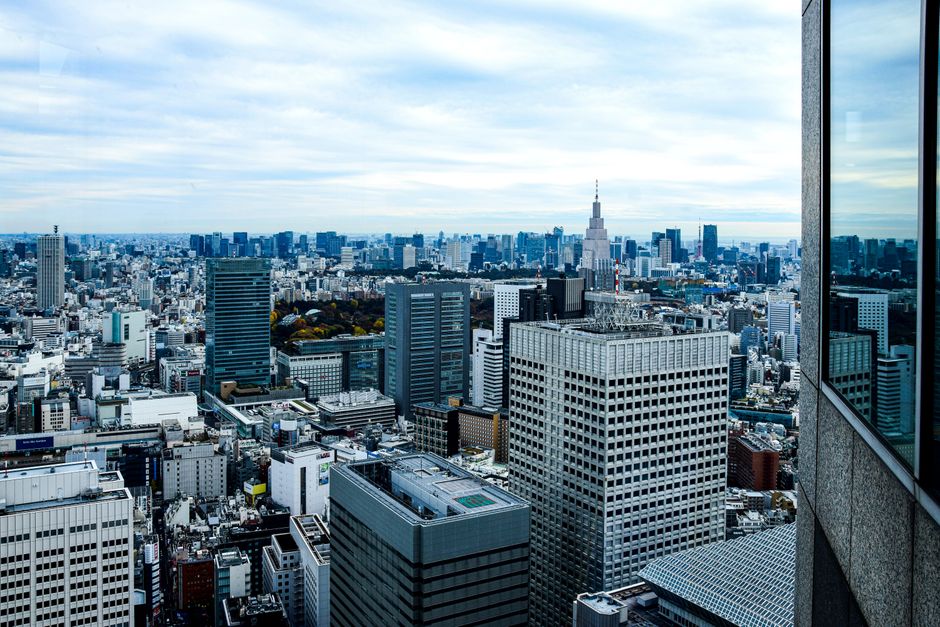
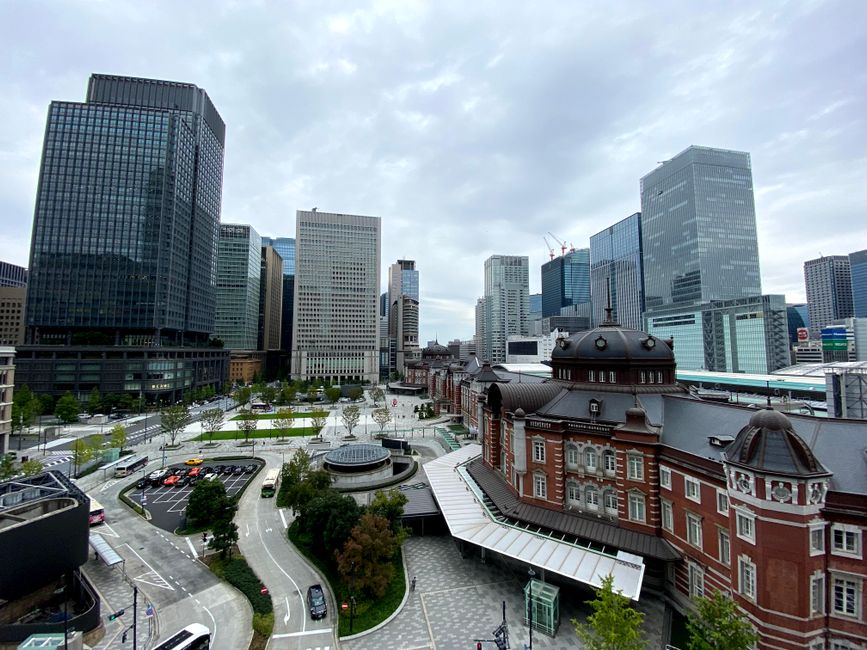
Tokyo's development pipeline is busier than it has been in years. As of mid-2026, urban planning approvals in outer wards like Musashino, Suginami, and Nerima have surged, marking a strategic shift away from the saturated Yamanote Line premium zones that have long dominated first-time buyer conversations. For those entering the market, this moment demands clear-eyed navigation.
The numbers tell a compelling story. While central properties around Shibuya and Shinjuku remain anchored around the 55 million yen average, emerging developments in areas like Kichijoji's expanding commercial corridors and along the Chuo Line offer comparable quality at 30–40 million yen. Suginami ward, particularly near Asagaya and Ogikubo stations, has seen a 15 percent uptick in new apartment approvals over the past eighteen months, attracting young families priced out of inner zones.
First-time buyers should prioritise three questions before committing. First: understand the approval timeline. New developments typically take 24–36 months from planning permission to handover. Check the Tokyo Metropolitan Government's Building and Housing Division website for current project status—delays are common, and knowing the realistic completion date matters for mortgage planning. Second: assess neighbourhood infrastructure maturity. A gleaming new complex in outer Suginami may offer space and affordability, but does it have convenient access to the Marunouchi or Keio lines? Proximity to established commercial strips—like those near Shinjuku-gaien or Omotesando—affects both livability and resale value.
Third: scrutinise developer credentials. Established firms like Leopalace21's parent company and mid-tier regional builders have different track records for finishing quality and long-term management support. Request site visit schedules and speak directly with on-site supervisors about sustainability certifications and energy efficiency—increasingly important as Tokyo tightens building codes.
The broader market context favours patience. Empty land continues trading at unexpectedly high premiums despite clearance rate pressures, suggesting speculative appetite remains strong. This can inflate ancillary costs for new builds. Consider waiting six to twelve months if you're flexible—developers often adjust pricing as projects mature and actual demand becomes clearer.
Finally, engage a specialist property consultant early. The gap between headline prices and true costs—including service fees, renovation contingencies, and financing terms—can easily reach 5–8 million yen. In a market this fluid, professional guidance isn't luxury; it's essential infrastructure for smart first-time entry into Tokyo's reshaping property landscape.
This article was compiled by AI from the sources linked above and screened before publishing. See our editorial standards.