Tokyo's rental market is experiencing a paradoxical squeeze. While overall vacancy rates in the capital hover near 20-year lows, prices in prime Yamanote Line neighbourhoods continue their upward march, leaving prospective tenants navigating an increasingly fragmented landscape.
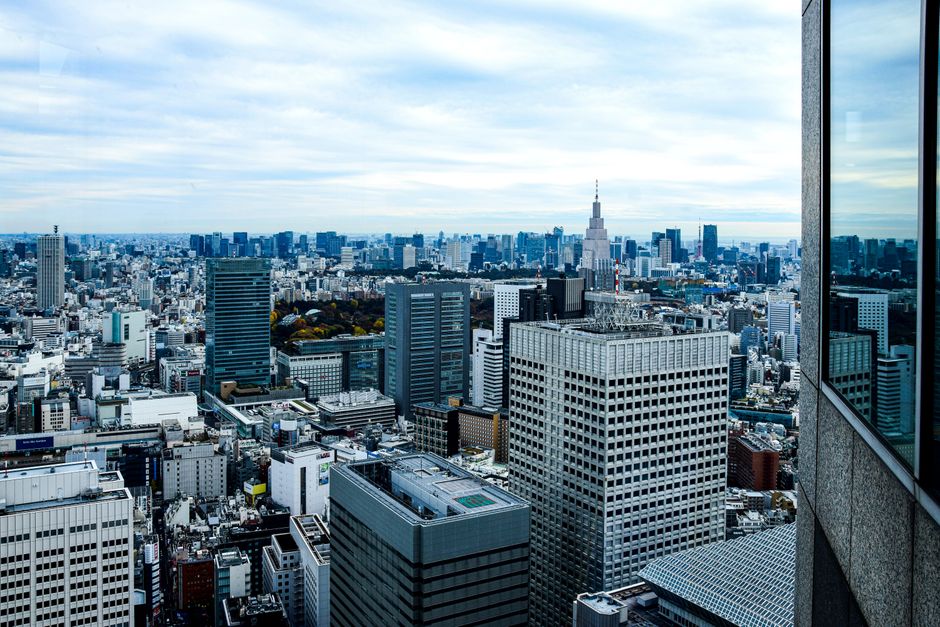
The core issue centres on supply mismatch. Properties along the Chiyoda, Marunouchi, and Ginza Lines command premium rents—averaging ¥180,000–250,000 monthly for a standard two-bedroom in Shibuya and Shinjuku—yet remain occupied at near-capacity rates. Meanwhile, outer metropolitan areas like Musashino in Musashi-Murayama and parts of Suginami are seeing gentler demand, with comparable units available at ¥95,000–130,000. This geographic polarisation reflects Tokyo's shifting work-life patterns post-pandemic.
Demographic headwinds are compounding the issue. Japan's declining young adult population means fewer first-time renters entering the market, yet persistent international inflow—particularly around Roppongi, Minato Ward, and Ikebukuro—sustains demand in desirable central zones. Foreign residents now comprise roughly 6% of Tokyo's population, concentrated in these high-accessibility corridors. Landlords, sensing premium-paying tenants, have adjusted asking prices accordingly.
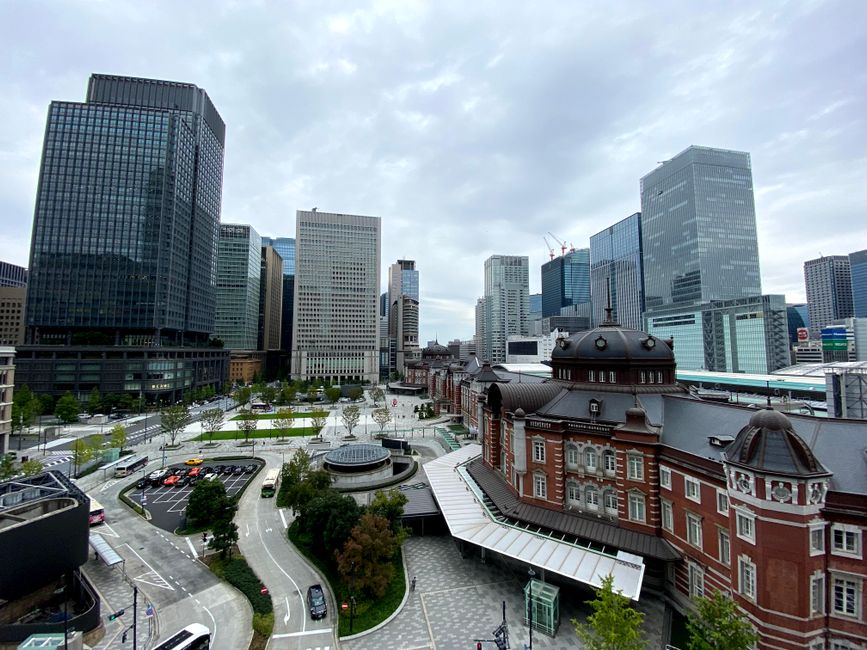
Building age also matters more than ever. Properties constructed before 2000 in secondary locations like Kita Ward and Adachi Ward now sit vacant longer, forcing owners to reduce rents or invest in renovations. Conversely, newer mixed-use developments near Omotesando, Harajuku, and around Tokyo Station's eastern precinct command swift lettings despite 15–20% price premiums over comparable older stock.
For tenants, the calculus is clear: central location commands a cost, but flexibility yields advantage. Renting slightly beyond the Yamanote circle—in family-friendly Setagaya or Chōfu—can reduce monthly outlay by 30–40% while maintaining reasonable commute times via the Odakyu Line or Keiō Line networks. Conversely, those prioritising walkability and nightlife should expect to pay the Tokyo average of ¥55 million equivalent annually for central wards.
Real Estate Agents' Association of Tokyo (REAT) data suggests average lease terms are shortening—down to 24 months from traditional 36-month commitments—signalling landlord anxiety. This favours tenants willing to relocate; negotiating key money (reikin) reductions or reduced deposit structures is increasingly feasible outside peak Shibuya-Shinjuku demand zones.
The rental market's near-term trajectory depends on two variables: international mobility post-visa reforms and Tokyo's office-return policies. Until those stabilise, renters should move decisively when opportunities arise in outer-ring neighbourhoods while maintaining realistic expectations about central premium costs.
This article was compiled by AI from the sources linked above and screened before publishing. See our editorial standards.