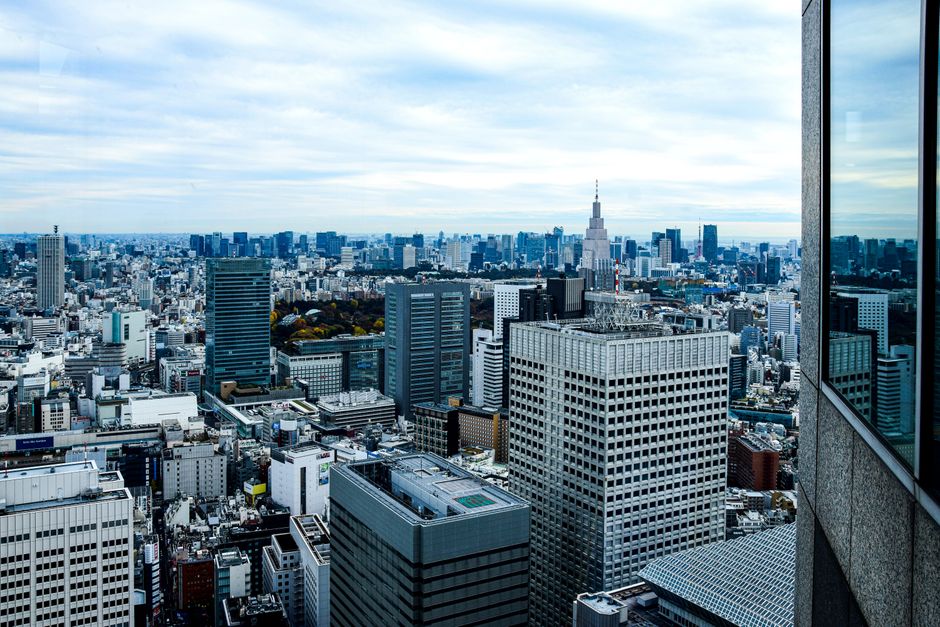
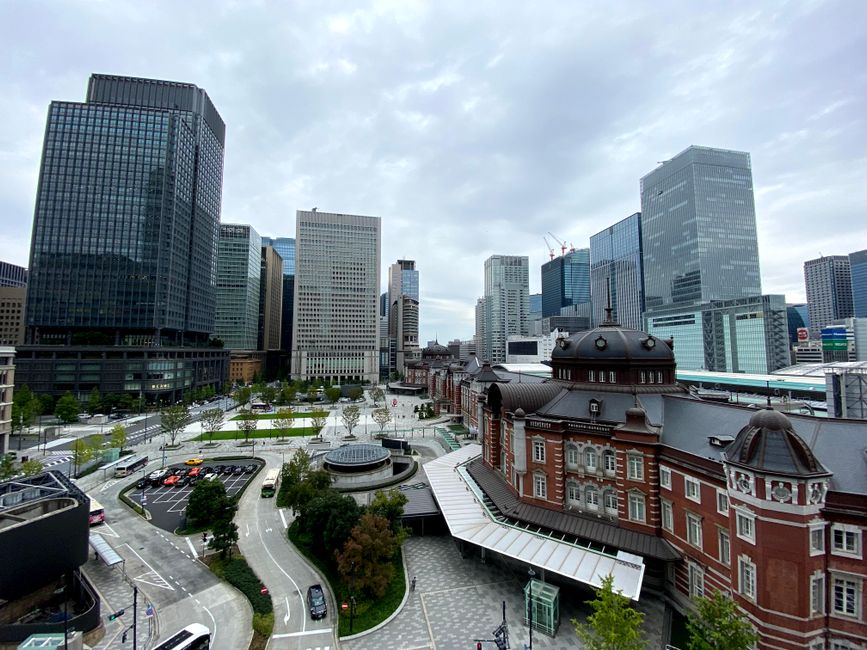
Tokyo's property development landscape is shifting dramatically following a raft of planning approvals and zoning amendments that took effect this quarter. The Metropolitan Government's revised Urban Renaissance Strategy has already triggered a cascade of new applications, reshaping investment patterns across the capital and testing whether policy can guide growth toward sustainability rather than sprawl.
The most significant change centres on the Yamanote Line corridor. The Tokyo Metropolitan Bureau of Construction has increased permissible floor-area ratios (FAR) in select precincts between Shibuya and Shinjuku, allowing developers to build taller, denser mixed-use towers. One immediate consequence: Mitsui Fudosan and Leopalace21 have jointly filed plans for a 28-storey residential-office hybrid on Meiji-dori near Harajuku station—a project that would have faced height caps just months ago. The scheme targets JPY 8.2 billion in total investment.
But the carrot comes with a stick. New guidelines mandate that developments over 10,000 square metres include 15 per cent affordable units—a requirement that has already sparked developer pushback. Industry bodies including the Real Estate Association of Japan (REAJ) argue the threshold will compress margins on projects in central wards, where average unit prices hover near JPY 55 million. Smaller operators in Musashino and Suginami, traditionally family-oriented markets, face less stringent requirements, subtly reshaping where growth capital flows.
The timing is crucial. Tokyo's clearance rate for new residential approvals has slowed, dropping to 73 per cent in May—the first sub-75 per cent reading in two years. Yet planning amendments have injected momentum: the Tokyo Metropolitan Government approved 2,847 new construction permits in the second quarter alone, a 12 per cent jump year-on-year. Most clusters along the Chuo Line extension and around Roppongi Hills' secondary district show particular traction.
Suburban precincts are seeing secondary effects. Transit-oriented development incentives for areas within 800 metres of commuter rail corridors have shifted focus outward; Chiyoda and Minato wards show appetite for mid-rise family housing in Komagome and Azabu-Juban respectively, where restrictive zoning previously capped ambitions.
Market watchers remain divided. Some argue the affordable housing mandate will cool investor enthusiasm, particularly among foreign capital seeking high-yield plays. Others contend that density bonuses and streamlined approval timelines—also part of the new framework—will offset compliance costs. For now, the amendment is doing what policy intended: forcing a recalibration of where Tokyo builds next.
This article was compiled by AI from the sources linked above and screened before publishing. See our editorial standards.