Tokyo's Ultra-Luxury Market Faces Reshaping as Metropolitan Government Tightens Zoning Rules
New planning restrictions on high-rise residential development are already shifting investment patterns among Japan's wealthiest property buyers.
New planning restrictions on high-rise residential development are already shifting investment patterns among Japan's wealthiest property buyers.
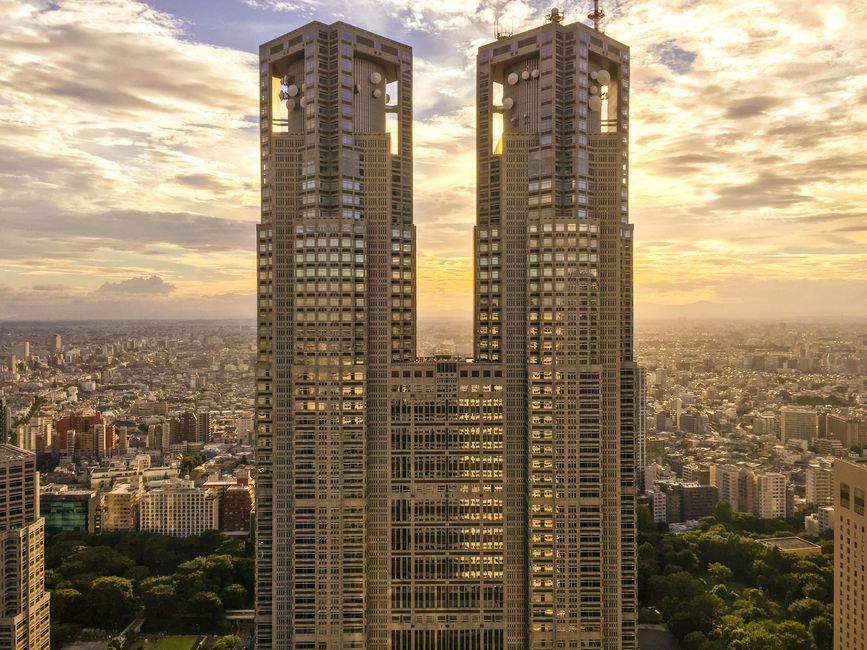
Tokyo's prestige real estate sector—traditionally anchored by trophy addresses along the Yamanote Line and in Chiyoda's diplomatic quarters—is entering a period of significant recalibration following the Tokyo Metropolitan Government's revised zoning framework announced in March 2026.
The policy shift introduces stricter height limitations and mandatory green-space allocations across prime central districts, fundamentally altering the calculus for developers pursuing luxury apartment towers. Properties in Minato Ward's Roppongi and Azabu-Juban precincts, historically commanding premiums of ¥15–20 million per square metre, now face tighter construction parameters that have begun trickling into transaction valuations.
"We're witnessing a bifurcation," explains market analysis from the Real Estate Economic Institute. Sales of existing ultra-luxury units in established buildings have remained robust—Yamanote Line prestige stock near Shibuya Station continues trading above ¥12 million per square metre. However, new-build projects targeting the ¥800 million–¥2 billion bracket have contracted by roughly 18 per cent since the policy announcement, with several major developers repositioning their pipelines toward peripheral growth zones in Musashino and Suginami.
The Metropolitan Government's rationale centres on preserving streetscape continuity and reducing urban heat-island effects—objectives that resonate with neighbourhood councils but complicate the economics of ultra-high-end development. Developers accustomed to securing premium pricing via architectural distinctiveness and unobstructed views now navigate mandatory architectural review boards and density caps that compress profit margins on prestige projects.
This environment has paradoxically benefited the secondary luxury market. Completed properties in established towers—including those with confirmed heritage status near the Imperial Palace's outer circle—have become de facto safe havens. Investment capital previously destined for speculative new developments has redirected toward acquisition of move-in ready units in validated neighbourhoods like Akasaka and Kojimachi.
For international and domestic high-net-worth buyers, the practical effect is clearer pricing discovery and reduced speculative volatility. Projects that proceed under the new framework will likely be fewer but architecturally distinctive, their scarcity value potentially offsetting construction-cost inflation.
Real estate professionals anticipate the zoning regime will stabilise by 2027, once major projects complete their planning-approval cycles. Until then, expect continued pricing volatility in new-build prestige segments, sustained strength in trophy resale, and accelerating capital flows toward outer-metro family-oriented luxury in areas with less restrictive planning profiles.
This article was compiled by AI from the sources linked above and screened before publishing. See our editorial standards.
How does this story make you feel?
Spread the word
About this article
Published by The Daily Tokyo
Daily brief
Free, in your inbox before 7am. Weekdays.
More in Property


