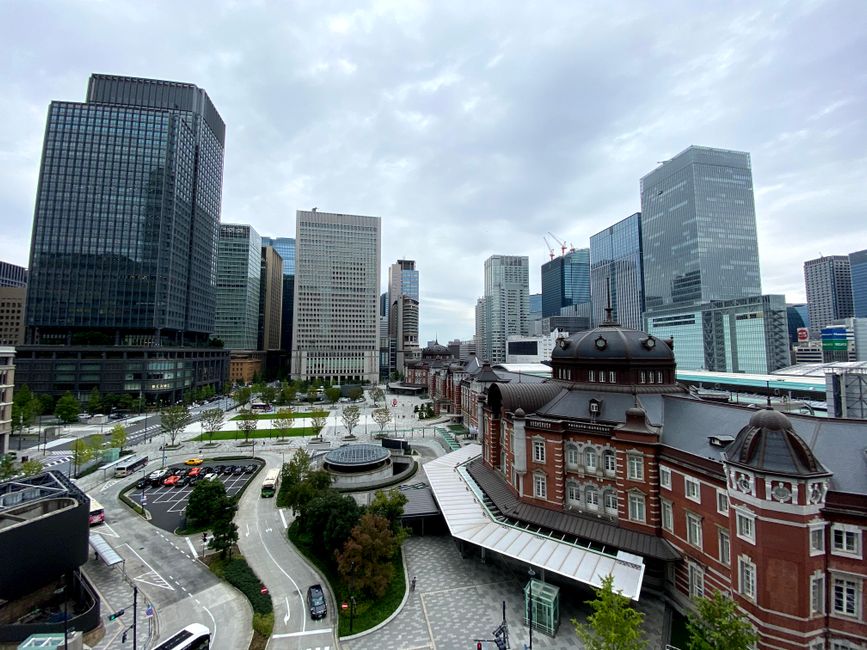
How Tokyo's New Development Wave Is Reshaping Landlord Yields Across the Metro
From the Shibuya-Shinjuku corridor to emerging family zones in Musashino, infrastructure projects are rewriting the investment playbook for Tokyo property owners.
From the Shibuya-Shinjuku corridor to emerging family zones in Musashino, infrastructure projects are rewriting the investment playbook for Tokyo property owners.
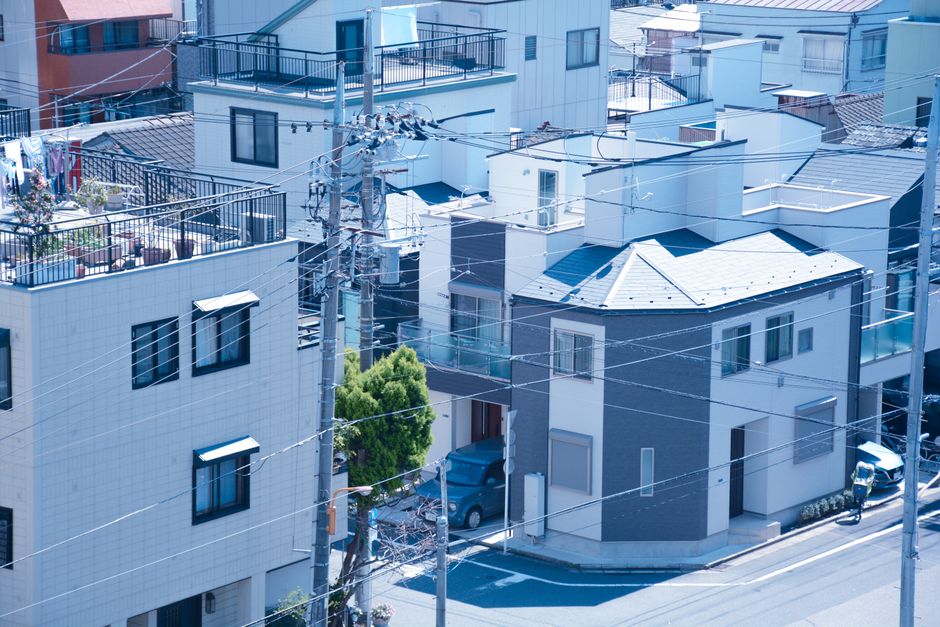
Tokyo's property investment landscape is undergoing a quiet but significant shift, driven by a cluster of major development projects that are reshaping neighbourhood desirability and, critically, rental yields. For landlords tracking opportunities beyond the saturated Yamanote Line premium districts, the real story lies in understanding how new infrastructure catalyses long-term tenant demand and capital appreciation.
The ongoing redevelopment of Shibuya's eastern district—centred around the Hikarie complex and expanding transit hubs—continues to tighten yields on older stock while creating pockets of opportunity. New apartment completions in adjacent precincts like Hatagaya and Tomigaya are pulling younger professional tenants away from oversaturated Shinjuku properties, where average yields have compressed to below 3 per cent. Savvy landlords are pivoting: a 40-square-metre studio in Tomigaya now commands ¥75,000–85,000 monthly rent against a ¥18–22 million purchase price, delivering gross yields closer to 4.5 per cent—meaningful given Tokyo's average property price of ¥55 million.
The real structural shift, however, is occurring in outer metro zones. Musashino and Suginami, traditionally family-oriented dormitory areas, are attracting major mixed-use developments that blur residential and commercial lines. The forthcoming completion of transit-oriented residential towers near Kichijoji Station—a decade-long undertaking—is fundamentally altering the demographic profile. Younger families and remote workers are relocating outward, drawn by affordability and amenity bundles that new projects deliver: integrated gyms, co-working spaces, and restaurant clusters that weren't present five years ago.
For landlords, this creates a three-tier strategic opportunity. First-tier investors holding Yamanote Line properties should expect yield compression but stable capital preservation. Second-tier players can exploit the transition: acquiring older family apartments in Musashino or Suginami just before major projects complete, capturing both rental growth and the inevitable uplift in surrounding land values. Third-tier speculators might eye land parcels near announced station precincts, though regulatory hurdles and development timelines demand patience.
The infrastructure story matters most. When Tokyo Metropolitan Government or private developers announce new rail connections or mixed-use hubs—as with planned improvements to Nakano and Mitaka—migration patterns shift within 12–18 months. Smart landlords track official announcements from the Metropolitan Bureau of Urban Development, not property news outlets.
The old wisdom—buy on the Yamanote, hold forever—still works. But the yield-conscious investor now understands that Tokyo's next decade of returns will flow through neighbourhoods mid-transformation, where development projects are rewriting fundamentals faster than asking prices adjust.
This article was compiled by AI from the sources linked above and screened before publishing. See our editorial standards.
How does this story make you feel?
Spread the word
About this article
Published by The Daily Tokyo
Daily brief
Free, in your inbox before 7am. Weekdays.
More in Property