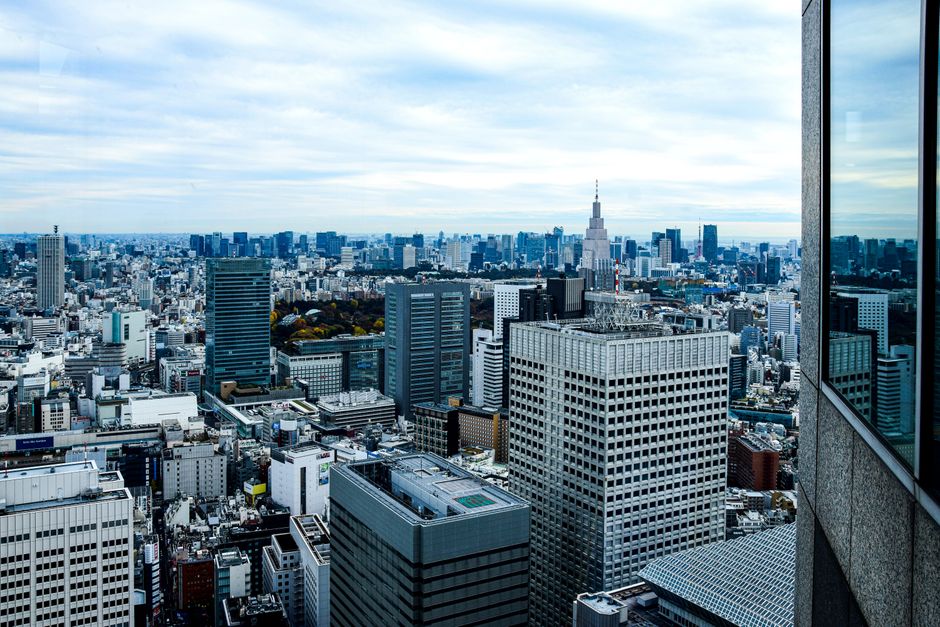
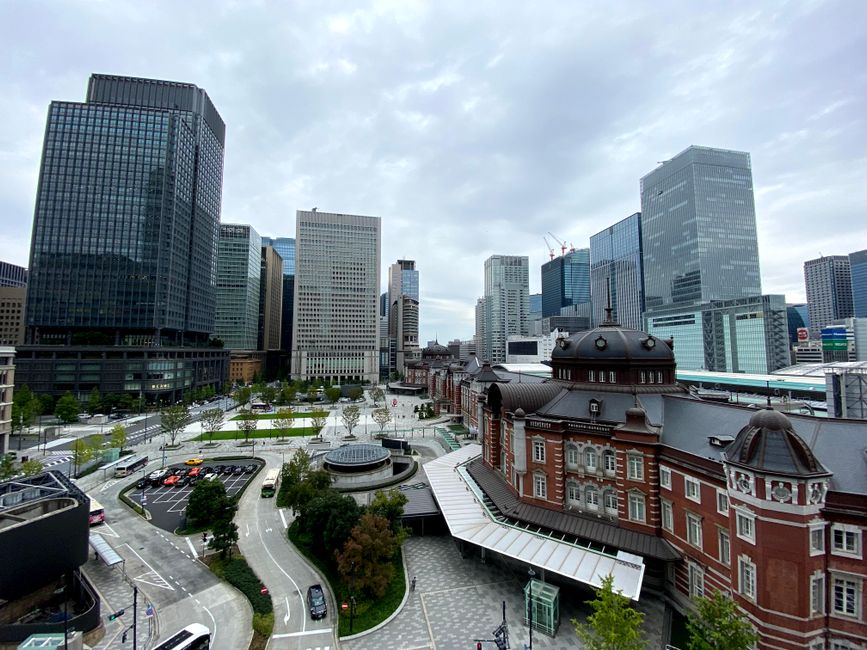
The Tokyo luxury property market has quietly shifted into a new phase. For investors holding premium residential assets in central districts, the numbers tell a compelling story: capital appreciation is outpacing inflation, rental yields are climbing above historical averages, and buyer demand remains anchored by both domestic and international purchasers seeking safe-haven assets.
Analysis of recent transactions along the Yamanote Line shows the clearest picture. Properties in Minato ward's Roppongi Hills corridor—where average asking prices hover around JPY 120 million for premium units—are now generating gross rental yields between 2.8 and 3.2 percent, a notable recovery from the 2.1 percent lows recorded in 2023. For a JPY 150 million apartment, that translates to annual rental income of JPY 4.2 to 4.8 million, figures that justify acquisition costs for institutional and high-net-worth investors.
Shibuya and Shinjuku CBD precincts demonstrate even more striking performance. Mid-range luxury stock—JPY 70 to 90 million units in developments near Meiji-dori and along Omotesando—has appreciated at roughly 6 to 8 percent annually over the past 18 months. Combined with rental yields of 2.5 to 3.0 percent, total investor returns are reaching 8 to 11 percent annually for select properties, particularly newer constructions with international tenant pools.
The outer metropolitan markets tell a different story. Musashino and Suginami ward family-oriented segments, positioned at the JPY 45 to 65 million range, show steadier but more modest appreciation—typically 3 to 4 percent yearly—though rental demand remains consistent given school district proximity and transit connectivity. Here, investor logic centres on long-term stability rather than dynamic returns.
What's driving this divergence? Supply constraints in central Yamanote Line zones, combined with a resurgence in expatriate housing demand and domestic ultra-high-net-worth consolidation, have tightened inventory precisely where transaction velocity remains highest. Properties with renovation pedigree, security infrastructure, and proximity to commercial anchors—think developments within walking distance of Roppongi Station or Shinjuku Station precincts—command premium pricing that reflects genuine scarcity.
Market observers note that the 'Home for a Home' demographic movement has also influenced valuations. Overseas families seeking Japan-based property now constitute a meaningful portion of Minato and Chiyoda ward transactions, reducing vacancy risk for institutional holders and supporting rental rate resilience.
For investors evaluating Tokyo exposure, the data suggests a bifurcated market: central-circle luxury continues rewarding patient capital, while outer wards offer defensive positioning. Either way, the yield environment has finally improved enough to justify renewed attention.
This article was compiled by AI from the sources linked above and screened before publishing. See our editorial standards.