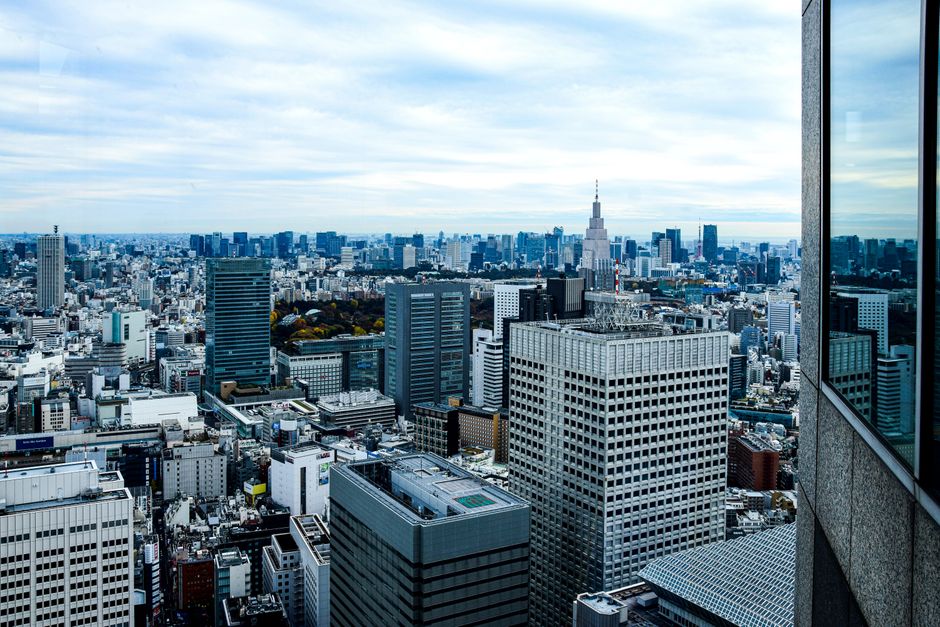
Tokyo's construction pipeline has shifted markedly over the past eighteen months. The number of approved residential projects in central wards—Chiyoda, Minato, Shibuya and Shinjuku—has climbed steadily, with fresh completions expected through 2028. For first-time buyers, this represents both opportunity and complexity.
The conventional wisdom once favoured established neighbourhoods along the Yamanote Line circle, where supply was finite and heritage assured. Today's market tells a different story. New mid-rise residential blocks along the Odakyu and Keio lines—particularly around Yotsuya, Yenokuchi and Musashino—offer first-time buyers entry points at or below the metropolitan average of ¥55 million. These projects typically include modern amenities: rooftop gardens, shared workspaces and EV charging. Approval timelines for such developments have compressed from two years to fourteen months on average, accelerating market entry.
Location remains the primary variable. The Shibuya and Shinjuku CBD zones command premiums of thirty to forty percent, reflecting commute proximity and lifestyle density. However, spillover growth in adjacent areas—particularly south towards Setagaya's Shimokitazawa and Suginami's family-oriented precincts—has stabilised pricing while maintaining transport accessibility. New builds in these zones typically appreciate three to five percent annually, compared to the city average of two percent.
Navigating approvals requires awareness of three key checkpoints. First, the Building Standards Law review, administered through local ward offices in Minato-ku and Shibuya-ku, determines structural compliance and typically takes sixty days. Second, the Urban Planning Act assessment evaluates density, green space and parking ratios—increasingly stringent in inner wards. Third, financial institutions now require third-party certification before loan approval, adding thirty days but reducing buyer risk.
Timing matters. Projects completing between now and early 2027 were approved during market cooling; developers priced conservatively to ensure sales velocity. Later completions, approved in the current upswing, reflect confidence but carry premium asking prices. First-time buyers should examine completion schedules carefully: earlier delivery often means lower absorption risk and faster equity accumulation.
The Tokyo Metropolitan Government's online portal provides searchable databases of approved projects by ward and completion date. Cross-referencing with transport maps and local amenity proximity—parks, schools, shopping districts like Omotesando or Aoyama—reveals pockets of opportunity beyond the traditional prestige zones. For buyers with flexible timelines and patient capital, the current construction surge offers genuine choice.
This article was compiled by AI from the sources linked above and screened before publishing. See our editorial standards.