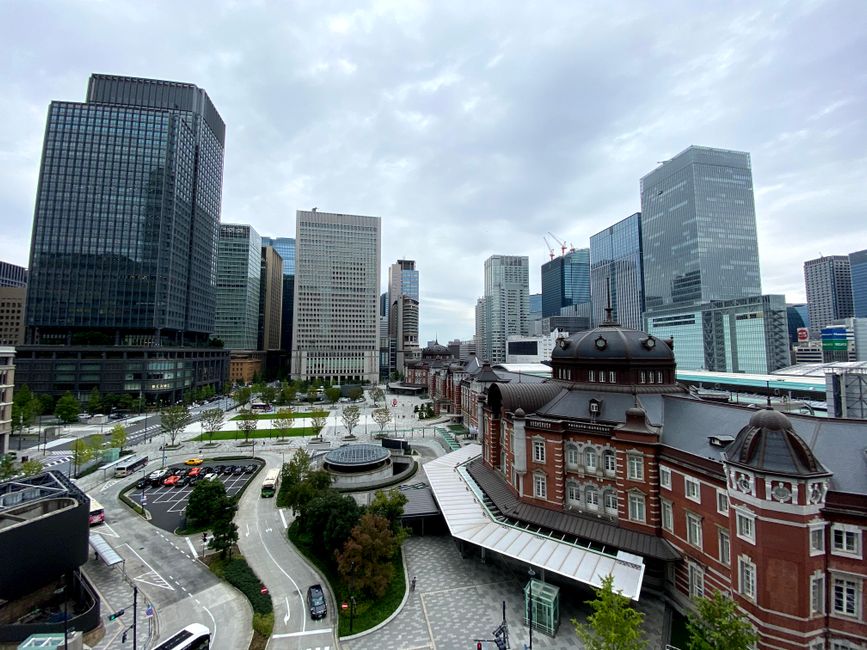
How Tokyo's New Development Zones Are Reshaping the Affordability Map
Strategic planning decisions around transit corridors and brownfield sites are beginning to unlock housing supply—but not evenly across the metropolitan area.
Strategic planning decisions around transit corridors and brownfield sites are beginning to unlock housing supply—but not evenly across the metropolitan area.
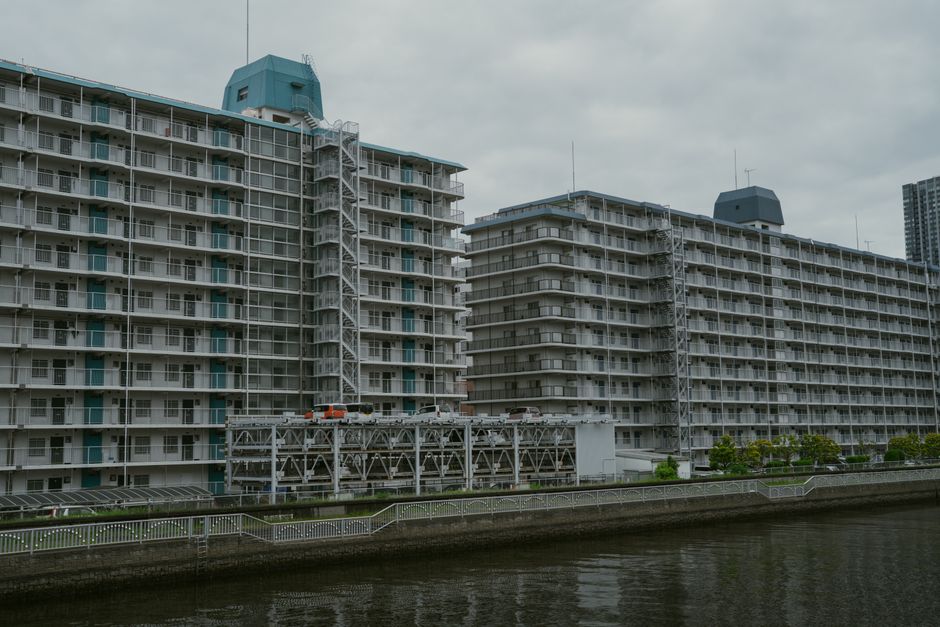
Tokyo's housing market has long operated within rigid geographic hierarchies, with Shibuya and Shinjuku commanding premium valuations while outer wards like Adachi and Katsushika remain comparatively accessible. But a series of policy shifts over the past 18 months—particularly Tokyo Metropolitan Government's revised zoning framework for transit-adjacent development and the acceleration of brownfield remediation projects—is quietly reshaping where affordable housing actually exists.
The average asking price across central Tokyo hovers near the ¥55 million benchmark, a figure that reflects decades of scarcity premium along the Yamanote Line circle. Yet recent approvals for mixed-use redevelopment along the Oedo Line extension zones and the Musashino/Suginami corridor have begun fragmenting this monolith. Developers responding to the TMG's loosened height restrictions near Nakano Station and Ogikubo have started releasing mid-range inventory—units in the ¥38-45 million range—that hadn't existed at scale three years ago.
The impact is measurable but uneven. Properties within 800 metres of Nakano Station's approved development zones saw average price growth flatten to 2.3 per cent year-on-year, compared to 7.1 per cent across the broader Shibuya ward. Meanwhile, family-oriented areas like Setagaya and Suginami, which benefited from earlier policy encouragement of subdivision-to-apartment conversion, have seen inventory stabilise without dramatic repricing.
Where policy has created genuine friction is in the outer metropolitan zones. The TMG's decision to fast-track environmental clearance for brownfield sites in Edogawa and Chiba's western precincts has opened development corridors, but the decade-long remediation timeline means supply remains constrained. Speculation has actually intensified; investors are acquiring cleared land at near-¥2 million per unit-equivalent, betting on 2028-2030 housing completions.
The affordability question remains structural. While policy decisions have created pockets of relative accessibility, they haven't addressed Tokyo's core challenge: the gap between young worker salaries and entry-level ownership costs. A first-time buyer in Chiyoda or Minato still faces multiples exceeding 12 times annual income. The policy wins are real—Musashino's new supply has genuinely improved ratios to 8.5 times—but they're geography-dependent in ways that reinforce existing commuting patterns.
As the TMG reviews further zoning amendments this autumn, the property market is watching whether policy can extend affordability gains beyond these pilot corridors. For now, Tokyo's housing map is becoming more granular, but not necessarily more democratised.
This article was compiled by AI from the sources linked above and screened before publishing. See our editorial standards.
How does this story make you feel?
Spread the word
About this article
Published by The Daily Tokyo
Daily brief
Free, in your inbox before 7am. Weekdays.
More in Property