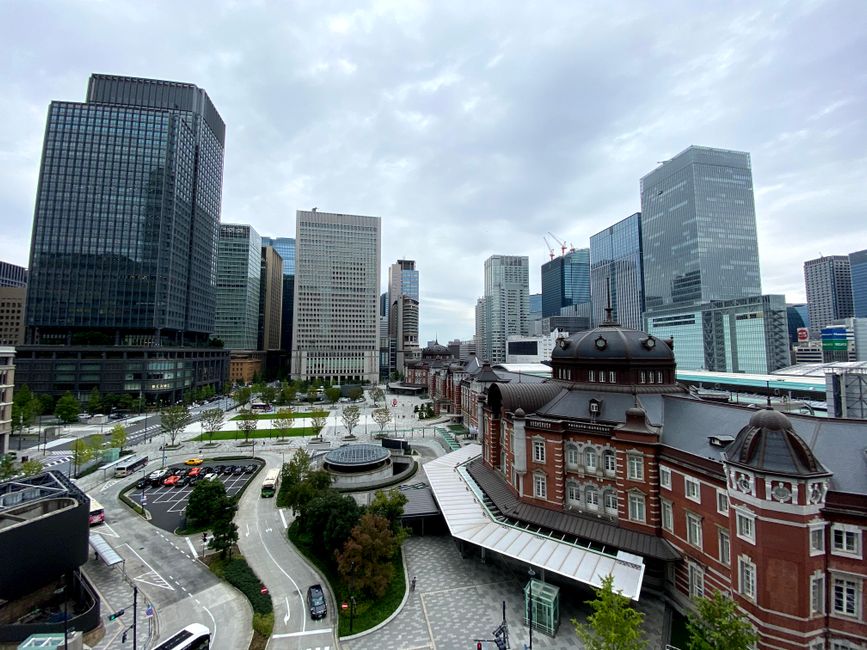
First-home buyers capitalise on Tokyo's new development wave—but location strategy matters
As mega-projects reshape outer metro zones, grant-eligible buyers are discovering how neighbourhood renewal affects both entry prices and long-term value.
As mega-projects reshape outer metro zones, grant-eligible buyers are discovering how neighbourhood renewal affects both entry prices and long-term value.
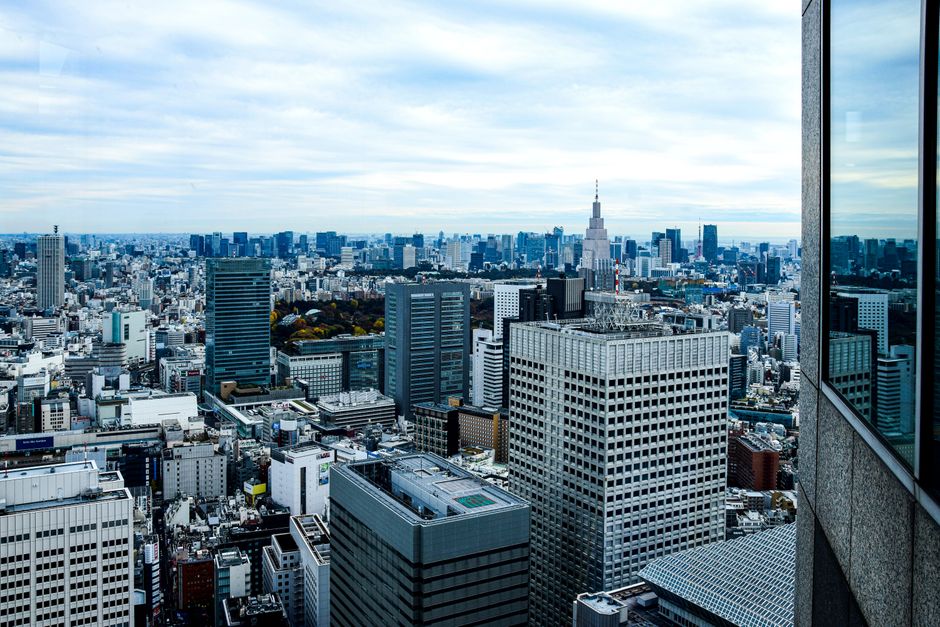
Tokyo's first-home buyer landscape is shifting dramatically as major development projects reshape the metropolitan fringe. For those navigating the ¥55 million city average and competing with investors, understanding where new construction aligns with government support schemes has become essential strategy.
The transformation is most visible in corridors like Musashino and Suginami, where residential-focused developments are attracting the younger demographic eligible for the government's First Home Buyer Support Program. Recent projects along the Chuo Line in Mitaka and Musashino have prompted interest from families previously priced out of inner-circle Yamanote neighbourhoods. While average asking prices in these outer metro areas hover around ¥45 million to ¥50 million—compared to Shibuya's premium positioning—the influx of new supply is creating genuine entry points.
The strategic advantage lies in understanding how neighbourhood change affects grant eligibility and financing terms. Properties in designated development zones often qualify for additional regional support, while banks increasingly view new construction in infrastructure-connected areas as lower-risk lending propositions. The recent completion of retail and transport upgrades near Shibuya's peripheral zones demonstrates how new projects anchor broader district renewal—making properties within walking distance more attractive to lenders and grant administrators alike.
However, timing introduces complexity. Projects announced along the Ome Kaido corridor and near Suginami's commercial clusters create a staggered timeline of completion and occupancy. First-time buyers who purchase early-stage developments gain price advantages but face construction-phase uncertainty; those waiting for completion pay premiums but gain certainty around neighbourhood character. Both approaches have merit depending on individual risk tolerance and five-year plans.
The data supports cautious optimism. Areas experiencing significant new development show approximately 8–12% year-on-year appreciation, slightly outpacing older residential zones. Crucially, these neighbourhoods are attracting young families and service workers, reinforcing livability factors that sustain value beyond the initial construction phase.
For eligible buyers, the current environment demands locality-specific homework. Which developments are transport-connected? Are local schools, medical facilities, and retail improving in tandem? Does the grant scheme recognise properties within the development precinct? The answers determine whether a new project represents genuine entry opportunity or overheated speculation.
Tokyo's property cycle has historically favoured patient, location-conscious participants. The current wave of outer-metro development offers that same disciplined approach—provided buyers treat neighbourhood transformation as the investment thesis, not merely the project itself.
This article was compiled by AI from the sources linked above and screened before publishing. See our editorial standards.
How does this story make you feel?
Spread the word
About this article
Published by The Daily Tokyo
Daily brief
Free, in your inbox before 7am. Weekdays.
More in Property