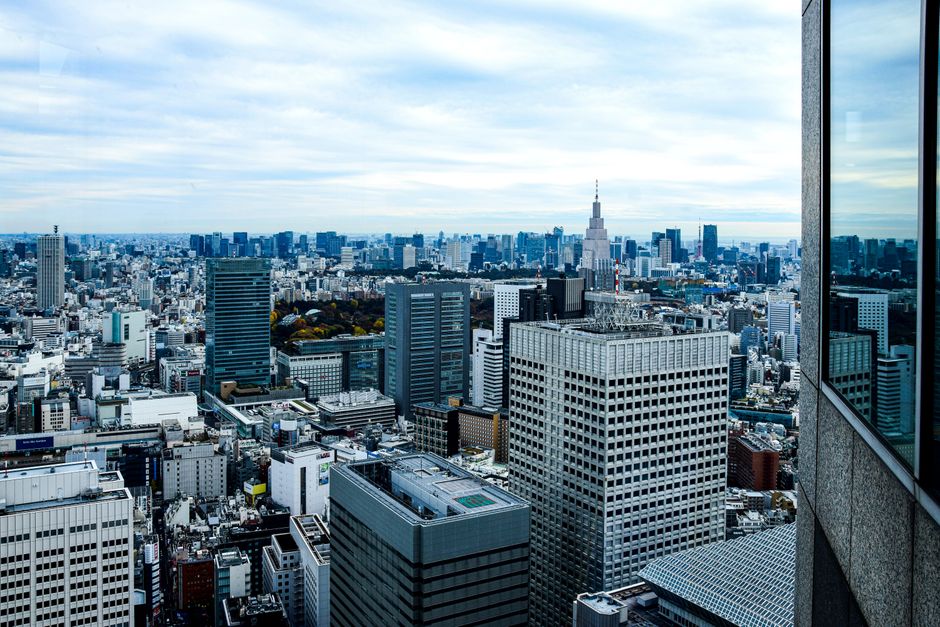
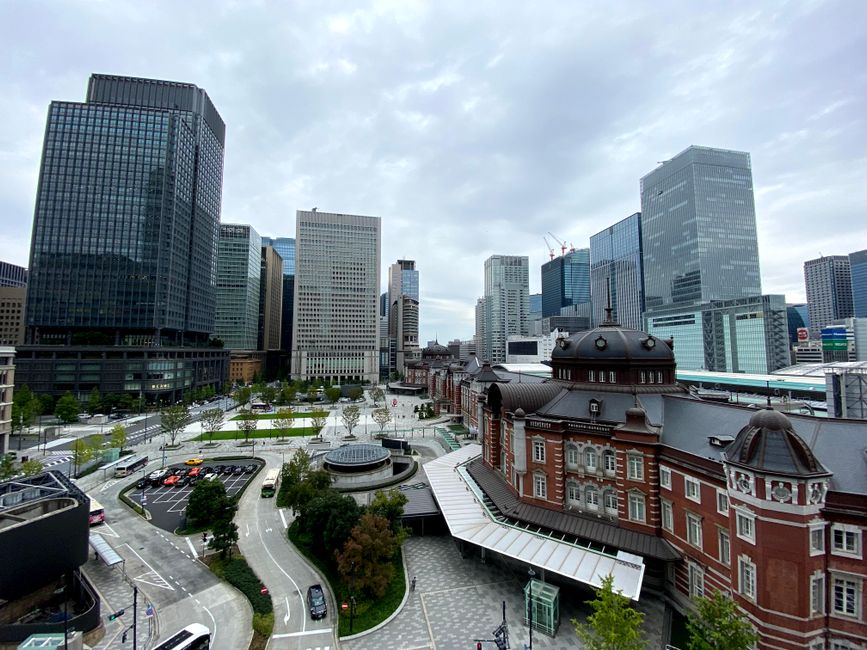
Tokyo's first-home buyer landscape has shifted dramatically in the past eighteen months. With the national government's expanded housing acquisition grants now covering up to 100 million yen for qualifying buyers in designated outer wards, young couples and single professionals are moving faster than ever. Yet prices across the Yamanote Line circle remain stubbornly elevated, hovering around 55 million yen on average—a figure that masks wild disparities depending on proximity to central business districts like Shibuya and Shinjuku.
The real story lies in what's driving these dynamics. Bank lending has loosened considerably following the Bank of Japan's gradual policy pivot, with mortgage rates now sitting between 0.4 and 0.7 percent for ten-year fixed terms. That competitive environment has emboldened first-time buyers who previously felt priced out entirely. Simultaneously, developers are racing to complete projects in family-friendly zones like Musashino and Suginami, where land values remain more reasonable and schools, parks, and shopping strips along Meiji-dori and Omotesando offer genuine lifestyle appeal.
But here's what every first-time buyer needs to understand: the grants are geographically selective, and the rush is real. Properties within walking distance of Shibuya Station or Shinjuku Station command premiums of 15-20 percent over comparable stock just two train stops outward. A modest two-bedroom apartment in Harajuku can easily exceed 80 million yen; the same footprint in Nakano or Koenji drops to 45-55 million yen.
The government's 'Home for a Home' framework, aimed at supporting overseas-connected families, has also increased competition in traditionally international neighborhoods near Roppongi and Minato ward. First-time buyers competing against investor groups and relocating professionals should expect bidding wars in sought-after precincts.
Smart buyers are looking outward. Properties in outer Suginami near Eikokuji Station or along the Chuo Line in Musashino offer genuine value and proximity to the CBD within thirty minutes. Transit infrastructure investments announced for 2027-2028 suggest these zones will appreciate steadily. Organizations like the Real Estate Information Center in Minato offer free counseling on navigating grants, loan conditions, and long-term market cycles.
The window for strategic entry remains open, but only for those willing to look beyond Instagram-worthy addresses. First-time buyers who understand the price-location trade-off and move decisively—while rates remain favorable—will position themselves far better than those chasing yesterday's hot spots.
This article was compiled by AI from the sources linked above and screened before publishing. See our editorial standards.