Tokyo Affordable Housing: Outer Wards Megaprojects Shift Market
Musashino and Suginami megaprojects reshape Tokyo's affordable housing. First-time buyers face narrowing window as outer ward developments compete with premium inner wards.
Musashino and Suginami megaprojects reshape Tokyo's affordable housing. First-time buyers face narrowing window as outer ward developments compete with premium inner wards.
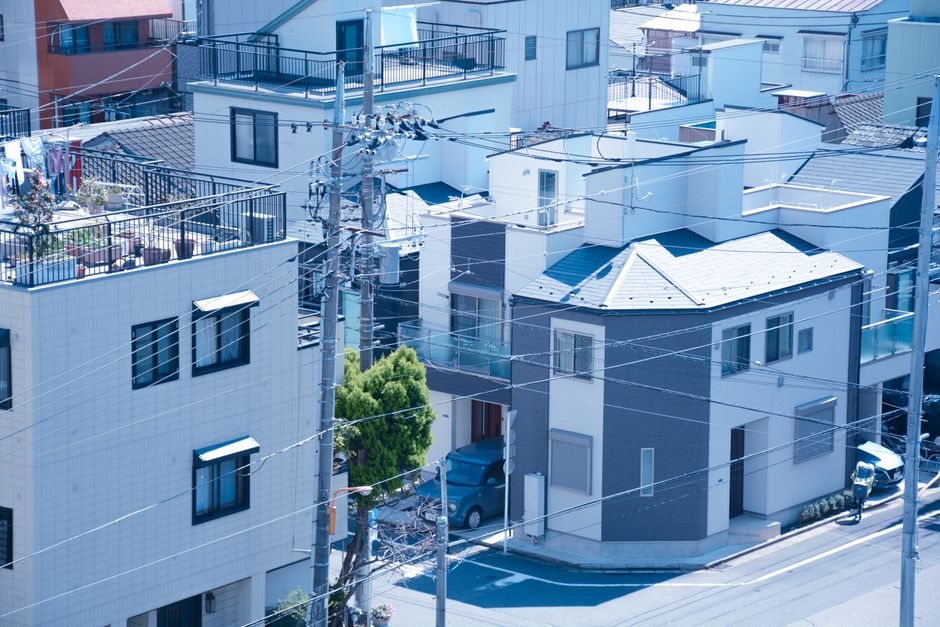
Tokyo's property market is experiencing a tale of two cities. While the Yamanote Line's premium inner circle remains largely out of reach for first-time buyers—with average prices hovering near JPY 55 million for modest units—a wave of major development projects in outer metropolitan areas is fundamentally reshaping where young families and mid-career professionals can actually afford to live.
The clearest example is unfolding in Musashino and Suginami wards, historically Tokyo's bedroom communities. Over the past 18 months, three significant mixed-use projects have broken ground, each promising integrated rail connectivity, green space, and moderate-density housing. These aren't boutique developments. They're designed to absorb the growing overflow from central wards where JPY 70–80 million is now routine for a three-bedroom apartment.
What's changing the arithmetic isn't just supply. It's the deliberate positioning of these projects. Developers are clustering amenities—childcare facilities, supermarkets, small parks—within walking distance of stations, mirroring a pattern seen in Seoul and Singapore's suburban expansion. This reduces the car dependency that once made outer wards less attractive to younger demographics. Early pricing for units in these schemes suggests entry points around JPY 35–45 million, meaningful relief compared to inner-ward equivalents.
But affordability gains come with a spatial trade-off. Commute times from Suginami to central Shinjuku or Shibuya remain 25–35 minutes by train. For remote workers, this is irrelevant. For office-based professionals, it's a daily calculation.
The real pressure is on mid-range established suburbs—areas like Meguro's quieter precincts or southern Shinagawa—where existing housing stock still commanded premium valuations pre-development. New projects are signalling investor attention is pivoting outward, which could create a squeeze: prices in these transition zones may stagnate as buyer demand tilts toward newer, cheaper alternatives further out.
Market data reflects this shift. Across Musashino and Suginami, year-on-year price growth has slowed from 6–7 percent to roughly 2–3 percent, even as development announcements accumulate. Meanwhile, established inner wards continue absorbing international money and domestic wealth migration, keeping pressure on their upper registers.
For policymakers, the pattern mirrors broader urbanisation logic: concentrate growth in satellite nodes with robust transit. For buyers, the message is starker: if you want to enter Tokyo's property market affordably, the door is opening—but it's opening in suburbs your parents might have avoided, and it won't stay open indefinitely once these projects complete.
This article was compiled by AI and screened before publishing. See our editorial standards.
How does this story make you feel?
Spread the word
About this article
Published by The Daily Tokyo
Daily brief
Free, in your inbox before 7am. Weekdays.
More in Property


