Tower Cranes and Sticker Shock: What Tokyo's New Developments Mean for Buyers and Renters
A wave of major construction projects along the Yamanote Line and beyond is reshaping what it means to live—and afford a home—in the capital.
A wave of major construction projects along the Yamanote Line and beyond is reshaping what it means to live—and afford a home—in the capital.
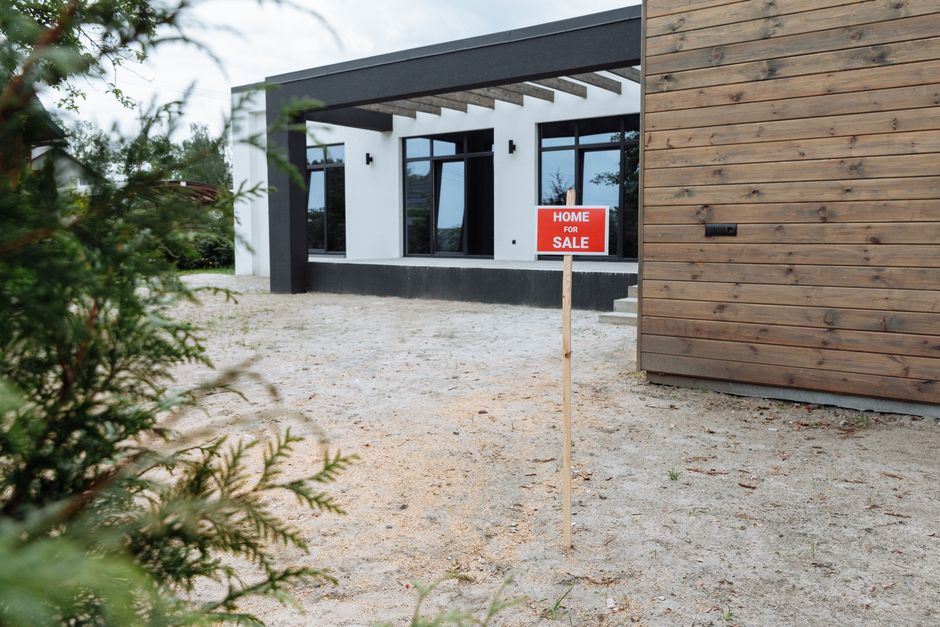
Three new mixed-use towers broke ground in the greater Shibuya ward in the first half of 2026, adding to a skyline already crowded with cranes. The projects, totalling roughly 1,400 residential units between them, are being marketed as a supply solution. Buyers and renters waiting for prices to ease aren't convinced.
Tokyo's average condominium asking price now sits at approximately ¥55 million citywide, but that figure obscures the brutal arithmetic facing anyone trying to buy inside the Yamanote Line. Units in the Shibuya and Shinjuku central business districts routinely list above ¥120 million, and the newest developments in Harajuku and Yoyogi are pushing that ceiling higher still. With the Bank of Japan maintaining its cautious rate-normalisation path and construction costs still elevated from post-pandemic supply disruptions, developers are not building for the middle-income household. They are building for the asset-rich and the corporate relocation budget.
The most talked-about project right now is the Tokyu Fudosan-backed redevelopment centred on the old Shibuya Sakuragaoka district, where the second phase of construction is expected to deliver around 600 units by late 2028. Nearby, Mori Building is advancing plans for a residential component tied to its Azabudai Hills expansion, targeting the ultra-premium segment that has drawn wealthy buyers from across Asia. Neither project is aimed at the 35-year-old salaried worker earning ¥6 million a year in Nakameguro.
Farther west, the story is different. Musashino and Suginami—the two wards that have consistently attracted families priced out of the central five wards—are seeing smaller-scale but more numerous developments. Kichijoji Station's surrounding streets have three mid-rise residential blocks under construction, with floor plans ranging from 60 to 85 square metres and asking prices starting around ¥65 million. That is still a stretch, but it is the segment where genuine demand exists. Real estate agency Sumitomo Realty reported in its June 2026 market brief that Suginami recorded its third consecutive quarter of rising transaction volumes, even as the number of listings remained tight.
The structural problem is not the number of cranes—it is where they are pointing. Japan's Ministry of Land, Infrastructure, Transport and Tourism recorded a 12 percent year-on-year rise in new condominium starts in the Tokyo metropolitan area for the April quarter, but nearly 70 percent of that activity was concentrated in areas where unit prices already exceed ¥80 million. Outer metro growth nodes like Kawaguchi and Shin-Matsudo in Saitama and Chiba prefectures are absorbing some demand, but the commute trade-off—45 to 60 minutes to central Tokyo—limits their appeal for buyers who work variable hours in Shinjuku or Otemachi.
The rental market offers little relief. Average monthly rents for a two-bedroom apartment within walking distance of Shinjuku Station crossed ¥250,000 in May, according to data compiled by Homes.co.jp. First-time renters are increasingly looking at Nakano and Ogikubo, where the same floor plan can be found for ¥170,000 to ¥190,000, though even those numbers have risen about 8 percent since 2024.
For buyers watching these developments unfold, timing entry around a project's pre-sale period remains one of the few practical levers available. Tokyu Fudosan and Nomura Real Estate both held pre-sale events in June at discounts of roughly 3 to 5 percent below anticipated open-market pricing. That window is narrow and fills fast. For renters, the Suginami and Musashino belt offers the clearest near-term value, with new supply coming online through 2027 in an area where infrastructure—the Chuo Line and Inokashira Line—is already in place. The developments going up today will not fix Tokyo's affordability problem. They will, however, draw its fault lines a little more sharply.
How does this story make you feel?
Spread the word
About this article
Published by The Daily Tokyo
Daily brief
Free, in your inbox before 7am. Weekdays.
More in Property


