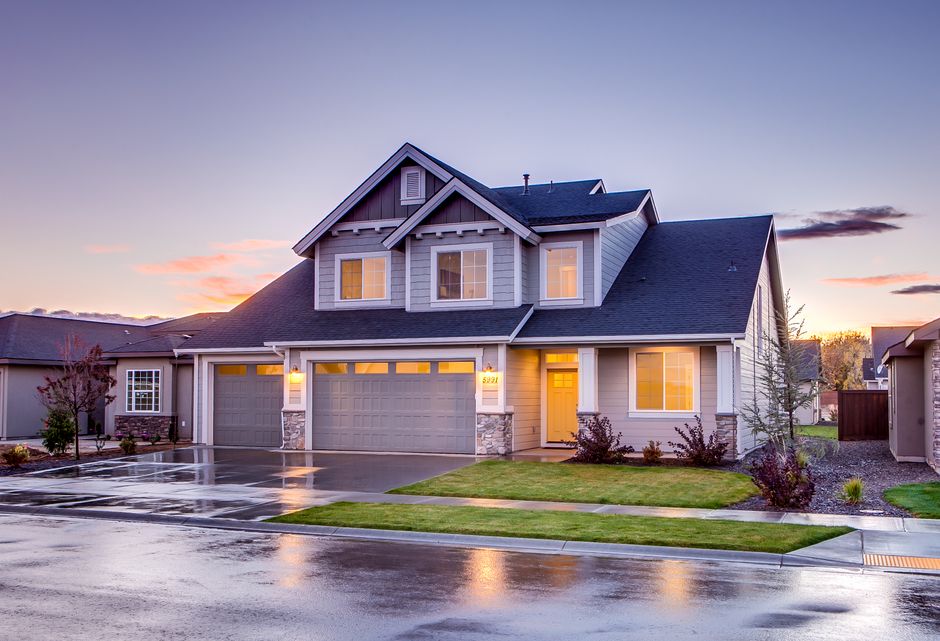
The average Tokyo condominium now lists at roughly ¥55 million — a figure that has priced out a widening slice of the city's workforce and sent developers hunting for a different kind of product. Build-to-rent, long dominant in North America and parts of Europe but historically rare in Japan, is arriving in force, with at least a dozen large-scale projects under construction or in planning across the Yamanote Line corridor as of mid-2026.
The timing matters. Tokyo's population held above 14 million through 2025, yet housing starts for owner-occupied units slipped for the third consecutive year, according to Ministry of Land, Infrastructure, Transport and Tourism data. Mortgage rates, still low by global standards, have crept up since the Bank of Japan's policy shifts in 2024, adding roughly ¥15,000 to the monthly repayment on a ¥50 million, 35-year loan compared with two years ago. For a household earning the city's median annual income of around ¥6.5 million, buying anywhere inside the Yamanote Line now requires either substantial family help or a willingness to stretch debt-to-income ratios that most lenders in 2026 are quietly discouraging.
What Build-to-Rent Actually Delivers
Purpose-built rental differs from the standard Tokyo chintai apartment in ways tenants notice on day one. Units are designed from the foundation up to be rented — not sold off floor by floor — meaning common areas, building management, and interior specifications reflect what a long-term tenant needs rather than what photographs well in a sales brochure. Mitsui Fudosan's Parkhabio brand, which operates across Shinagawa, Monzen-Nakacho, and Shibuya, has set a local benchmark: buildings include co-working lounges, parcel lockers rated for same-day delivery overflow, and 24-hour building managers rather than the intercom-only systems standard in older stock.
Nomura Real Estate's Proud Flat series, concentrated around Nakameguro and Gakugeidaigaku stations on the Tokyu Toyoko Line, is similarly positioning itself on lease flexibility. Month-to-month options — traditionally almost nonexistent in Japan outside of weekly mansions — are available in selected Proud Flat buildings at a premium of roughly 8 to 12 percent over the standard two-year contract rate. That is expensive, but it appeals to corporate transferees and younger workers who watched the pandemic scramble housing plans and want an exit clause.
Rents in these developments run between ¥180,000 and ¥280,000 per month for a one-bedroom in the 40-square-metre range near central Shibuya or Shinjuku. That sounds steep — and against a purchase comparison it is — but developers point out that key money (reikin) is frequently waived, broker fees are absorbed into the lease structure, and maintenance costs, typically a ¥50,000-to-¥100,000 annual drain on owners through management association fees, fall on the building operator instead.
The Numbers Behind the Rent-or-Buy Decision
Run the arithmetic on a ¥55 million purchase with 10 percent down at current rates of around 2.1 percent over 35 years and monthly repayments land near ¥165,000 before management fees and property taxes. A comparable build-to-rent unit in Musashino or Suginami — family-popular wards west of the Yamanote ring — costs between ¥130,000 and ¥160,000 per month depending on floor and facing. The gap has narrowed considerably from five years ago, when buying held a clear monthly cost advantage.
For buyers who can absorb the upfront costs and commit to at least a decade, ownership still builds equity in a market where central Tokyo land values rose about 4.3 percent in the year to January 2026, according to the Ministry of Land's official land price survey. For anyone expecting to stay fewer than seven years, or who cannot produce the ¥5.5 million-plus needed for a standard down payment on a mid-range property, the build-to-rent calculus is increasingly favourable.
Several more projects are scheduled to open along the Chuo Line between Koenji and Mitaka before the end of 2026, and the Koto Ward waterfront near Shinonome is seeing its third large-scale rental tower break ground this summer. Prospective tenants hunting these buildings should contact operators directly — vacancy in completed Parkhabio and Proud Flat properties has been running below 3 percent, and listings rarely appear on general portals like SUUMO for more than a week before closing.