property
Tokyo's Rental Vacancy Rate Hits Near-Historic Low, Squeezing Renters
With available units drying up across the Yamanote Line and beyond, the city's would-be renters are discovering that finding an apartment has rarely been this brutal.
Listen in English · 5 min
How we reported this
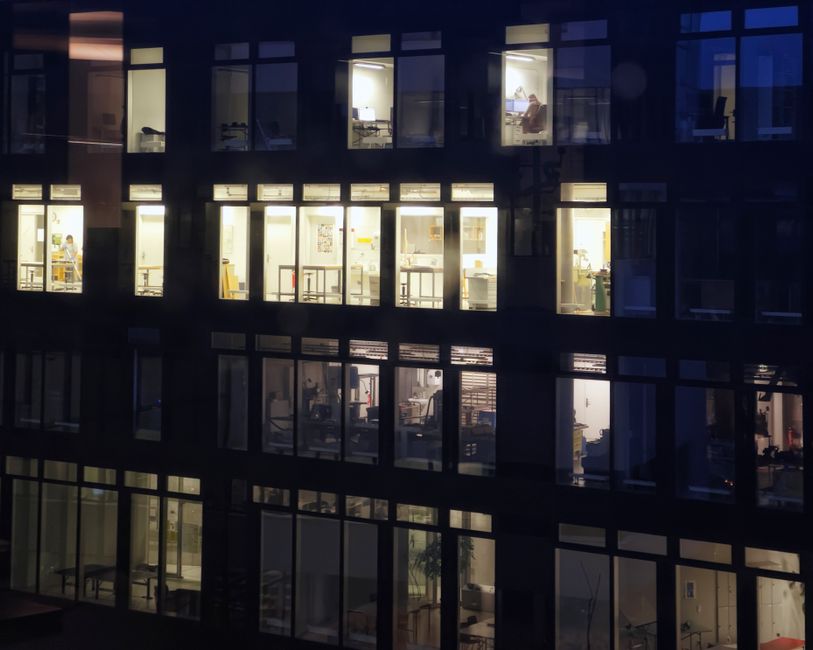
Tokyo's rental vacancy rate has fallen to roughly 3 percent in central wards, according to data tracked by the Real Estate Information Network System, pushing the market into territory where landlords hold almost all the cards. For the millions of residents who either cannot or choose not to buy, that number translates directly into higher rents, faster decisions, and lease applications rejected outright before a prospective tenant even sees the unit in person.
The timing matters. Japan's average 30-year fixed mortgage rate has climbed above 2 percent for the first time in over a decade, following the Bank of Japan's incremental policy shifts since 2024. That shift has nudged some would-be buyers back into the rental pool precisely when supply there is shrinking fastest. The collision of those two trends, mortgage hesitation and near-zero vacancy, has made mid-2026 one of the most uncomfortable moments in recent memory for anyone searching for a place to live in the capital.
Where the Pressure Is Worst
Nowhere is the squeeze more visible than along the Yamanote Line, the circular railway loop that effectively defines central Tokyo. In Shibuya Ward, one-bedroom units within a ten-minute walk of Ebisu Station are listing at ¥180,000 to ¥230,000 per month, figures that represent a roughly 15 percent jump from equivalent listings two years ago. Shinjuku's Yoyogi neighbourhood, long favoured by young professionals for its relative affordability relative to neighbouring Harajuku, has seen its vacancy pool thin to the point where agents at local brokerages report receiving ten or more inquiries within hours of posting a new listing online.
The situation is only marginally less intense further out. In Suginami Ward, which draws families for its proximity to good schools along the Chuo Line corridor, a standard two-bedroom apartment in Ogikubo now routinely commands ¥150,000 per month. Musashino City, technically outside the 23 special wards but firmly within the commuter orbit, is seeing similar compression, with vacancy rates in the Kichijoji area hovering below 4 percent according to local agents citing prefectural land survey data.
Part of the structural problem is Japan's construction pipeline. New residential completions in the Tokyo metropolitan area have lagged population demand, particularly for smaller units suited to single-person households, which now account for roughly half of all Tokyo households according to government census figures. The city's population dipped slightly after the pandemic but has since rebounded, particularly in central wards, as in-person office attendance recovered and international workers returned under revised visa categories introduced by the Ministry of Justice in 2024.
Buying Looks Cheaper on Paper, Until It Doesn't
The average condominium in Tokyo now trades around ¥55 million, a price that demands a monthly repayment well above ¥160,000 on a 35-year loan at current rates, before factoring in management fees, repair reserve funds, and property taxes. For many households earning below ¥8 million annually, ownership remains a theoretical goal rather than an executable plan. Yet renting is no longer the obvious stopgap it once was.
The practical arithmetic is punishing. A renter in Nakameguro paying ¥200,000 a month accumulates no equity and faces renewal fees, typically one month's rent, every two years under the standard fixed-term lease format now widely used by larger property management companies including Mitsui Fudosan Residential and Leopalace21's higher-end competitors. Those fees alone can absorb what might otherwise become a deposit toward a purchase.
For renters navigating this market right now, property advisers consistently point to one practical edge: moving outside peak season. The March-April rental rush, driven by Japan's April job-start and school-entry calendar, creates the worst bidding conditions. July and August listings attract fewer competing applicants, and some landlords, particularly individual owners rather than institutional ones, show more flexibility on rent or key money during slower periods. Targeting buildings managed by smaller operators in second-tier Yamanote-adjacent wards like Kōtō or Itabashi, where vacancy rates remain above 6 percent, also widens the field meaningfully. The math is hard, but the geography still offers choices, for those willing to look past the obvious postcodes.
This article is general information only and is not personal financial or investment advice. Consider your own circumstances and seek licensed professional advice before making financial decisions.