property
Tokyo's Shinagawa-Sengakuji Corridor Transforms With New Transport Infrastructure
Transport upgrades and new developments elevate the southern Shinagawa-Sengakuji corridor, attracting investors and families seeking better access and livability.
How we reported this
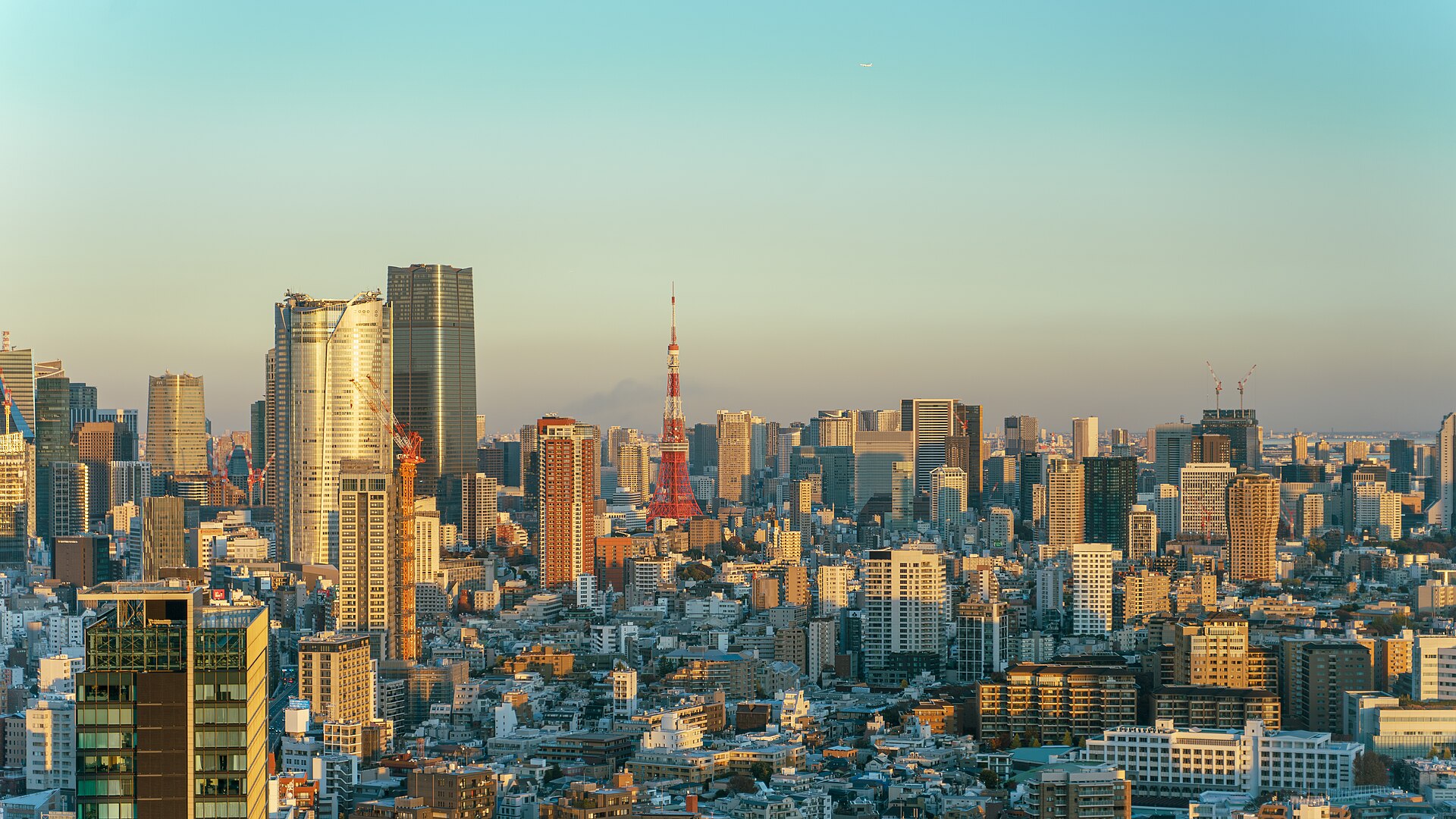
Tokyo’s Shinagawa-Sengakuji corridor is quickly coming into focus as a rising star for savvy investors and homebuyers, with a suite of new transport infrastructure and redevelopment plans reshaping the area south of the city’s urban core.
The latest wave of development around Shinagawa Station and the extending Sengakuji precinct highlights strong momentum for growth. Major projects by East Japan Railway Company (JR East) and the Tokyo Metropolitan Government are turning this well-known rail and office hub into one of the most vigorously upgraded corridors in the city, placing it under the spotlight for those watching the next property hotspot.
Shinagawa’s Transformation
Sitting at a vital intersection of Tokyo’s transport network, Shinagawa’s transformation is anchored by the opening of the Takanawa Gateway Station on the Yamanote Line. The station, which began operation in 2020, continues to generate further investment-bolstered by plans for the forthcoming linear Chuo Shinkansen maglev service, expected to dramatically cut travel times to Nagoya and Osaka once operational. Coupled with routes on the JR Keihin-Tohoku Line and Keikyu Main Line, and proximity to Haneda Airport, the convenience factor has significantly increased.
Neighbouring Sengakuji, long known for the historic Sengaku-ji Temple and quieter residential streets, is also seeing attention. New pedestrian promenades and the Shinagawa City Council’s urban renewal programs are drawing families and professionals seeking efficient connections but a more laid-back streetscape than the busy commercial heart of Shinagawa itself. The Atre Shinagawa retail complex and large-scale apartment redevelopments are also revitalising the surroundings, especially near Konan Exit and along Daiichi Keihin Avenue.
Rising Activity, Growing Demand
Tokyo’s real estate watchers point to concrete evidence of heightened activity. The city-wide average for an apartment recently stood at JPY 55 million, according to market trackers, and inner-ring areas with new transit options tend to see even tighter competition. While Shinagawa Station’s established status means prices are relatively high, the corridor toward Sengakuji and further south-including the Minato and Shinagawa Wards-has seen a tempo of new listings amidst a crunch for well-located, family-friendly housing.
Developers are seizing on these trends. Recent projects such as The Tower Takanawa and Park Homes Shinagawa are catering to both Japanese professionals and international buyers, continuing a pattern seen across other Yamanote Line-adjacent neighbourhoods. Local agents also report strong interest from families priced out of Shibuya and Meguro, as well as young couples drawn to new shopping, green spaces, and childcare centers being built near Sengakuji’s temple grounds and the Nihonbashi River.
Investors and home-seekers are watching closely as the next phase of redevelopments comes online, with additional transport connections anticipated and a slate of new amenities planned along the station corridor. Those considering a move are advised to track projects under the Shinagawa Accessibility Improvement Initiative and to check ward-level announcements as redevelopment plans evolve. With robust infrastructure now in place and further upgrades pending, Shinagawa-Sengakuji is firmly positioned on Tokyo’s growth radar for 2026 and beyond.
This article is general information only and is not personal financial or investment advice. Consider your own circumstances and seek licensed professional advice before making financial decisions.