property
Tokyo's Rental Towers Transform Housing for Priced-Out Residents
As buying a home in Tokyo drifts further out of reach for many residents, a new generation of professionally managed rental developments is reshaping the calculus for urban renters.
Listen in English · 4 min
How we reported this
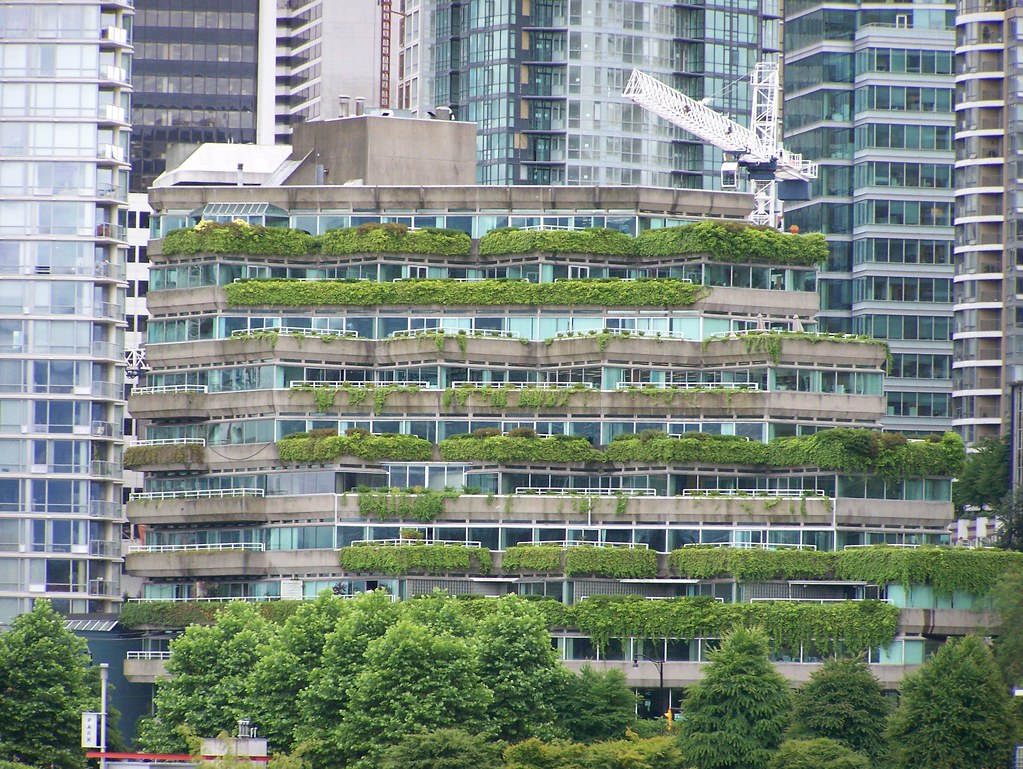
The average condominium in Tokyo now changes hands at around ¥55 million, and that figure climbs sharply inside the Yamanote Line. For a household earning the city's median income, a conventional 35-year mortgage on such a property consumes well over 30 percent of take-home pay. Against that backdrop, a cluster of purpose-built, institutionally managed rental buildings, what the industry calls build-to-rent, or BTR, has begun competing seriously for the attention of Tokyo's growing renter class.
The timing matters. Japan's rental housing stock has historically skewed toward individually owned units managed through traditional agencies, with landlords demanding hefty key money, deposits, and guarantor arrangements that can cost renters two to three months' rent before they move in a single box. BTR operators are selling themselves as the antidote: no key money, professional building management, and amenity packages borrowed from the serviced-apartment playbook.
What Tenants Actually Get
The clearest example of the model in the Tokyo market is the pipeline of large-scale rental buildings concentrated in Shibuya, Shinjuku, and the redeveloping eastern fringe of Koto Ward near Tatsumi and Shinonome. Mitsui Fudosan and Sumitomo Realty, two of Japan's largest developers, have both expanded their rental-specific portfolios in the 2020s, offering units in buildings that include on-site concierge desks, shared co-working lounges, and broadband built into the rent. A studio in one of these buildings in the Sangenjaya area of Setagaya Ward, a neighbourhood popular with younger workers commuting into Shibuya on the Tokyu Den-en-toshi Line, is currently listed in the ¥120,000-¥150,000 per month range, roughly comparable to what a similar unit commands on the open market. The premium is not in the headline rent; it is in what the building absorbs.
Traditional rentals in Tokyo frequently impose shikikin (security deposit) of two months and reikin (key money, a non-refundable gift to the landlord) of one to two months. A BTR tenant moving into a ¥130,000-a-month unit under the old model could face an upfront outlay of ¥520,000 or more before a single night's sleep. BTR operators typically waive reikin entirely and cap the deposit at one month, cutting entry costs by more than half for many applicants.
Musashino and Suginami, the two western wards consistently popular with families priced out of Shibuya and Minato, are seeing a different flavour of the same trend. Kenedix Residential, which manages one of Japan's larger listed rental-residential investment funds, has concentrated several family-format BTR buildings near Kichijoji and along the Chuo Line corridor, where three-bedroom units targeting households with school-age children have been built with storage, bicycle parking, and proximity to Musashino City's bilingual public schooling options explicitly in the marketing materials.
Does Renting Still Beat Buying?
The honest answer for most Tokyo residents under 40 is: it depends on the ward, the duration, and what you value. At current mortgage rates, the Bank of Japan's policy adjustments since 2024 have nudged variable rates upward from near-zero, a ¥55 million loan over 35 years now costs a borrower considerably more per month than it did three years ago. Analysts tracking the Tokyo residential market note that monthly ownership costs for a comparable Yamanote-adjacent unit now frequently exceed ¥200,000 when you factor in principal repayment, management fees, property tax, and earthquake insurance.
That gap has made renting not merely a fallback but, for a growing cohort, an active financial preference. BTR buildings are also structured to retain tenants: professionally managed maintenance means repair requests are handled within days, not the weeks that can characterise dealings with a private landlord through a traditional agency.
For anyone weighing the decision in mid-2026, the practical move is to request a full fee breakdown before signing anything. Compare the effective annual cost, monthly rent multiplied by 12, plus all move-in fees amortised over your expected tenancy, against equivalent purchase scenarios using current Bank of Japan rate forecasts. Several BTR operators also now offer lease terms of two, three, or four years at fixed rent, providing budget certainty that a floating-rate mortgage cannot match. The buildings are not cheap. But for many Tokyo renters right now, they are the most transparent deal in the market.
This article is general information only and is not personal financial or investment advice. Consider your own circumstances and seek licensed professional advice before making financial decisions.