Shibuya Guide Tokyo: Local Tips & Must-See Spots
Complete shibuya guide tokyo with insider recommendations, seasonal events, family activities, and dining hotspots for first-time and returning visitors.
Complete shibuya guide tokyo with insider recommendations, seasonal events, family activities, and dining hotspots for first-time and returning visitors.
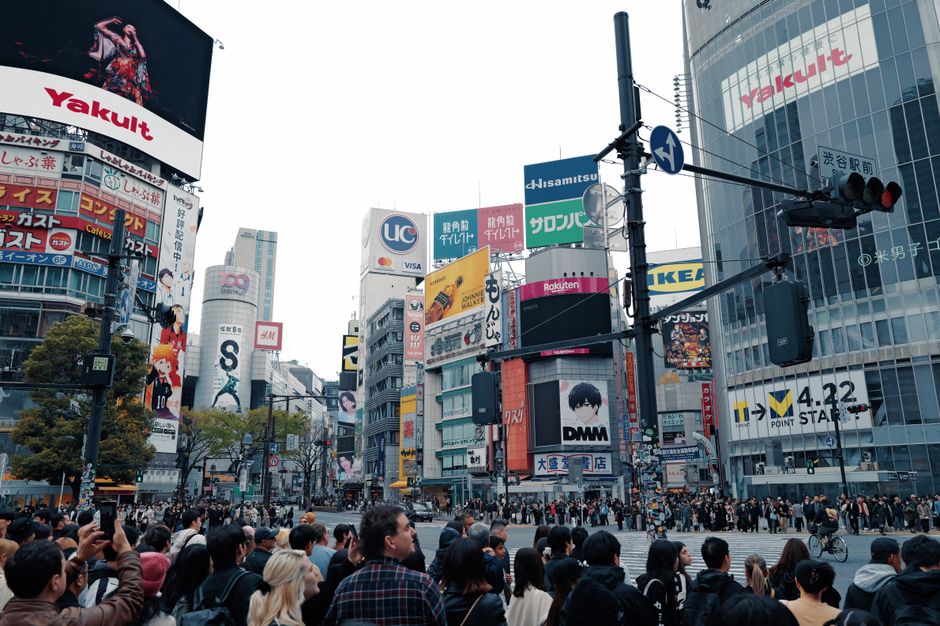
Shibuya remains Tokyo's most vibrant and energetic district, attracting millions annually. This shibuya guide tokyo covers everything from the iconic Scramble Crossing to hidden local gems, seasonal highlights, and family-friendly venues you won't find in generic travel guides. Whether visiting in early winter or summer 2026, this guide ensures you experience authentic Shibuya beyond the tourist crowds.
The Shibuya Scramble Crossing remains the world's busiest pedestrian crossing, with up to 3,000 people crossing simultaneously during peak hours. Visit early morning (7-8am) for fewer crowds or late evening (8-10pm) for the famous neon-lit experience. Adjacent Starbucks offers prime viewing from the third floor.
Hachiko Statue outside Shibuya Station is essential photography territory. Arrive before 9am to avoid queues. The statue's daily crowd count peaks at 2,500+ visitors between 11am-3pm, so timing matters for quality photos.
Shibuya 109 department store spans 9 floors of fashion, cosmetics, and youth culture. The rooftop offers unexpected city views. Parco building across the street features art galleries alongside shopping, with rotating exhibitions worth exploring.
June 2026 marks Japan's tsuyu (rainy season), running early June through July. Shibuya experiences high humidity and afternoon thunderstorms. Hydrangea flowers bloom throughout the district at shrines and parks. Meiji Shrine's iris gardens peak mid-June.
Summer Festival Season (July-August 2026) brings Yosakoi Matsuri celebrations with traditional dancing, food stalls, and lantern displays throughout Shibuya Center-gai. Expect crowds, heat (often 32-35°C), and extended venue hours.
Winter illuminations (November-December 2025) transform Omotesando and Center-gai with synchronized light displays. Shibuya 109's exterior becomes a LED canvas. January brings New Year sales (福袋, fukubag) with limited designer collections.
Avoid generic ramen shops near the Scramble. Instead, visit Ichiran on Spain-zaka for tonkotsu ramen or Yayoiken for gyudon (beef rice bowls) at ¥600-900. Both offer counter seating and ordering via touch screens (English available).
Shibuya Food Show (basement of Shibuya 109 East) showcases 100+ food vendors with everything from fresh sashimi to desserts. Quality equals department store standards at reasonable prices.
Hidden gem: Nonbei Yokocho alley contains 8 tiny standing bars serving yakitori, sake, and shochu for ¥400-800 per drink. Locals fill this space by 6pm; arrive early or expect standing room. Establishment rules: respect regulars' space and order from staff, not menus.
Shibuya accommodates families despite its nightlife reputation. Yoyogi Park offers playgrounds, open spaces, and weekend markets. Duck ponds provide entertainment; bring bread (though feeding is technically discouraged—bring greens instead).
Shibuya Children's Hall (Shibuya Ward office building) provides free indoor play areas for ages 0-12, with diaper changing facilities and lockers. Located 5 minutes from Hachiko.
Disney Store Shibuya spans 3 floors with character merchandise and exclusive Japanese items. Kids enjoy photo opportunities despite crowds.
Suggested family itinerary: Morning at Yoyogi Park (2 hours) → lunch at Shibuya Food Show → afternoon at Parco galleries (45 mins) → early dinner at family restaurants → Scramble Crossing sunset viewing (6:30-7:30pm avoids peak crowds).
Transportation: Shibuya Station connects 6 train lines. JR Yamanote Line (green) offers all-direction connections. IC card (Suica/Pasmo) ¥2,000 enables contactless travel across Tokyo.
Crowds: Avoid Shibuya 3-8pm weekdays and 11am-8pm weekends. Early mornings (7-10am) and late evenings (9pm+) offer authentic Shibuya experiences with manageable foot traffic.
Language: English signage increases yearly. Younger staff (under 30) typically speak conversational English. Download Google Translate app for restaurant menus.
Cash vs Card: Shibuya is increasingly cashless, though older establishments require yen. ATMs at 7-Eleven accept foreign cards (fees ¥100-220 per transaction).
Etiquette Reminders: No eating while walking; avoid phone calls on trains; never leave chopsticks standing in rice; remove shoes before sitting on tatami mats.
For current event listings, temporary closures, and seasonal updates for your June 2026 visit, follow The Daily Tokyo for real-time Shibuya recommendations from local experts. Our monthly guides cover weather-specific activities and hidden venue openings you'll find nowhere else.
This article was compiled by AI and screened before publishing. See our editorial standards.
How does this story make you feel?
Spread the word
About this article
Published by The Daily Tokyo
Daily brief
Free, in your inbox before 7am. Weekdays.
More in Community