Shinjuku Guide Tokyo: Complete Local Handbook
Master Shinjuku with our definitive shinjuku guide tokyo. Discover hidden gems, seasonal events, family spots and insider tips for Tokyo's most vibrant district.
Master Shinjuku with our definitive shinjuku guide tokyo. Discover hidden gems, seasonal events, family spots and insider tips for Tokyo's most vibrant district.
Listen to this article · 6:01
Shinjuku stands as Tokyo's most electrifying district, blending neon-lit entertainment districts with serene gardens and world-class shopping. This shinjuku guide tokyo provides everything you need to navigate Japan's busiest train station area like a local, from hidden ramen shops to seasonal festivals that define Tokyo's cultural calendar.
Shinjuku Station handles over 3.6 million passengers daily, making navigation crucial. The station connects five railway lines: JR East, JR Central, Tokyo Metro Marunouchi Line, Tokyo Metro Fukutoshin Line, and Odakyu Electric Railway. Key insider tip: Use exits by department store names rather than numbers. The South Exit leads toward Shinjuku-sanchome shopping and restaurants, while the East Exit connects to Kabukicho's entertainment zone.
Peak congestion occurs between 7-9 AM and 5-7 PM weekdays. If visiting in June 2026 (winter in Australia), consider arriving mid-morning or early afternoon for clearer navigation.
Shinjuku's calendar transforms throughout the year. Summer (July-August): Fireworks festivals light up Meiji Shrine grounds, with thousands gathering near Yotsuya Station. Autumn (September-November): The district hosts fashion weeks and art installations. Winter (December-January): Elaborate Christmas illuminations blanket Shinjuku-sanchome and Meiji Dori streets, with winter ramen festivals appearing in smaller alleyways.
In June 2026, expect the onset of Tokyo's rainy season (tsuyu). Temperatures reach 25-30°C with high humidity. Pack a compact umbrella, as sudden downpours are common. This season reduces crowds significantly, making it ideal for exploring museums and indoor attractions.
Meiji Shrine: Located just north of Shinjuku, this peaceful Shinto shrine offers respite from urban chaos. Arrive early (before 8 AM) to experience authentic morning rituals and avoid crowds. Entry is free, though donations are customary.
Tokyo Metropolitan Government Building: The free observation deck on the 45th floor provides 360-degree city views. Bring binoculars to spot Mount Fuji on clear days. Note: The building closes between 11:30 AM-1 PM for shift changes.
Yotsuya Hyatt Tokyo: Even non-guests can visit New York Grill & Bar for evening cocktails overlooking the cityscape. Reservations essential, especially Friday-Saturday.
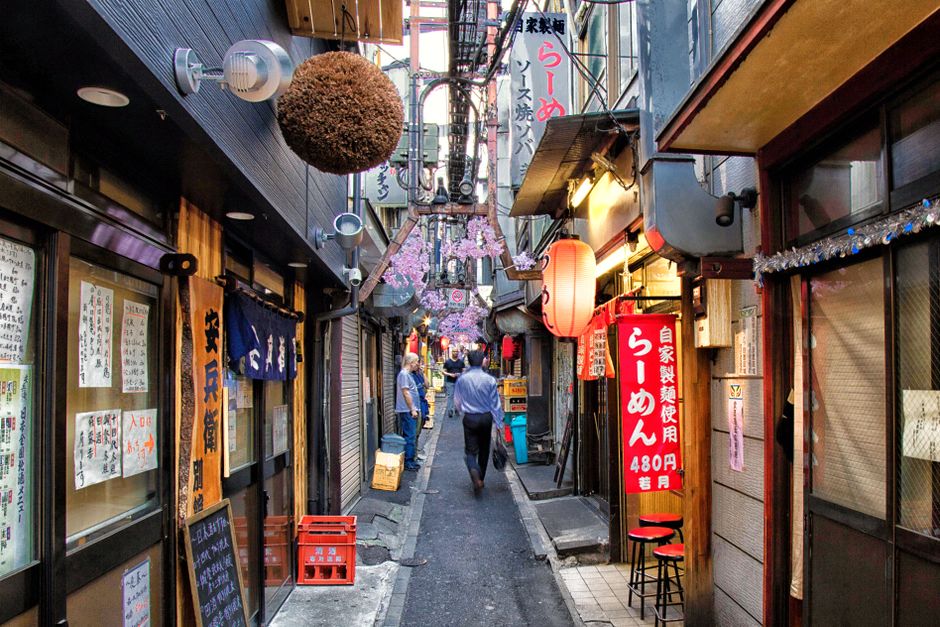
Omoide Yokocho (Memory Lane): This narrow alley preserves 1950s-style yakitori joints. Insider secret: Visit after 8 PM when salarymen fill the bars, creating authentic atmosphere. Expect ¥3,000-5,000 per person including drinks.
Shinjuku Gyoen National Garden: This 58-hectare park features Japanese, French, and English garden sections. Children enjoy the duck pond and open grass areas. Entry costs ¥500 for adults, ¥250 for children. The park closes Mondays, reopening Tuesdays.
Nintendo Store: Located in Shinjuku-sanchome, this flagship store spans three floors with interactive gameplay stations. Parents appreciate the lower basement level designed for younger children with Mario Kart experiences.
Sanrio Puroland (nearby): While technically in Tama, this Hello Kitty theme park is 30 minutes via Odakyu line. Essential for families with young children during winter school holidays.
Kinokuniya Bookstore: The massive nine-story building houses an entire children's floor (5th level) with English-language children's books, manga sections, and craft materials.
Ramen Yokocho: Located near the station's south exit, this alley contains six competing ramen shops with queues exceeding 30 minutes at peak times. Try Ichiran for tonkotsu broth or Gantetsu for shoyu-based varieties.
Depachika (Department Store Food Halls): Takashimaya and Mitsukoshi basements offer high-quality bento boxes, pastries, and prepared foods. Prices range ¥2,000-8,000, providing excellent value for quality.
Tatsu Ramen: This Michelin-listed ramen house near Shinjuku-sanchome serves exceptionally thick broths developed over 20 years. One bowl costs ¥1,200, and waits often exceed one hour during peak tourist season.
Shinjuku-sanchome: High-fashion boutiques cluster here, including Dover Street Market and Supreme. Uniqlo's massive flagship store attracts families seeking casual wear at reasonable prices.
Isetan: This department store occupies an entire block and features international luxury brands, Japanese design, and food courts serving everything from sushi to Brazilian cuisine.
Daiso (100-Yen Shop): Multiple locations offer practical items, stationery, and travel essentials. Perfect for picking up forgotten items or finding unique Japanese trinkets at budget prices.
Kabukicho: Tokyo's red-light district requires respectful behavior but offers legitimate entertainment venues. Love hotels flash neon signs, but theaters and karaoke bars welcome families during early evening hours.
Golden Gai: This network of micro-bars each seats 5-7 patrons. Expect ¥1,000-3,000 cover charges and welcoming bartenders who speak English in most establishments.
New York Grill: Fine dining with views. Chef's tasting menu costs ¥20,000-30,000 per person, while bar seating offers more affordable access to premium cocktails.
Explore more Tokyo neighborhoods and insider recommendations by visiting The Daily Tokyo, your essential guide to experiencing Japan's capital like a true local.
This article was compiled by AI and screened before publishing. See our editorial standards.
How does this story make you feel?
Spread the word
About this article
Published by The Daily Tokyo
Daily brief
Free, in your inbox before 7am. Weekdays.
More in Community