Triathlon Training Tokyo: Elite Venues Reshaping Endurance Sports
Discover how Tokyo's Olympic-legacy venues and newly renovated cycling circuits are attracting serious triathletes. Find the best training grounds near you.
Discover how Tokyo's Olympic-legacy venues and newly renovated cycling circuits are attracting serious triathletes. Find the best training grounds near you.
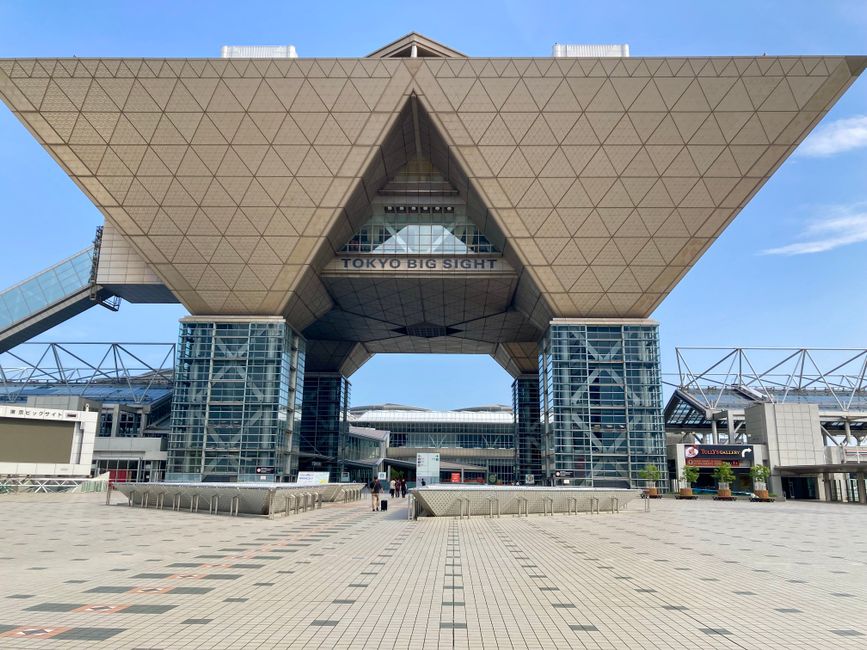
Tokyo's endurance sports ecosystem has transformed dramatically over the past five years, with significant investment in dedicated facilities across the metropolitan area reshaping how runners, cyclists, and triathletes prepare for competition. The infrastructure boom reflects both the city's Olympic legacy and a broader surge in domestic participation rates that show no signs of slowing.
The Odaiba Marine Park remains the centrepiece for triathlon training and competition, hosting the Tokyo Metropolitan Triathlon Championship each October. The 1.5-kilometre swimming course in Tokyo Bay attracts approximately 2,000 amateur competitors annually, while the adjacent cycling circuit—renovated in 2024—now features dedicated training zones with measurable gradients for hill-work sessions. Entry fees for the championship sit at ¥12,500 for amateur divisions, making elite-level competition accessible to serious amateurs.
For cycling infrastructure, the Kasai Rinkai Park velodrome in Edogawa Ward has become increasingly vital. Originally built for the 2020 Olympics, the facility now operates a public access programme three days weekly, offering track cycling instruction at ¥3,500 per session. The adjacent road cycling routes through the Arakawa ward—protected from general traffic along a 60-kilometre corridor—provide safe high-mileage training opportunities that draw cyclists from across the Kanto region.
Running facilities have expanded considerably beyond traditional parks. The Meiji Shrine Running Course in Shibuya, a flat 5-kilometre loop, now operates organised group sessions five times weekly, with membership at ¥8,000 monthly. More significantly, the National Stadium precinct in Shinjuku underwent major renovation in 2025, reopening with an eight-lane synthetic track and modern timing infrastructure that hosts monthly time trials for serious distance runners.
Data from the Japan Cycling Association shows Tokyo-based membership increased 34 per cent between 2021 and 2025, while triathlon club registrations nearly doubled. Much of this growth correlates directly with facility improvements: the Shinagawa Aquatic Centre added a 50-metre outdoor pool in 2024 specifically for open-water triathlon training, reducing commute times for central Tokyo athletes by an average of 45 minutes.
The accessibility question remains nuanced. While public facility costs remain reasonable by global standards, premium coaching and specialist training programmes demand significant investment. Yet the democratisation of Olympic-standard infrastructure—once restricted to elite athletes—represents a genuine shift in how Tokyo approaches endurance sports development. For the casual runner tackling marathon training or the weekend cyclist building aerobic capacity, these venues offer legitimacy and community that defines Tokyo's current sports culture.
This article was compiled by AI from the sources linked above and screened before publishing. See our editorial standards.
How does this story make you feel?
Spread the word
About this article
Published by The Daily Tokyo
Daily brief
Free, in your inbox before 7am. Weekdays.
More in Sport