Tokyo Gyms Prep for August Bodybuilding Championships
Shibuya and Shinjuku gyms see record demand as competitors prepare for All Japan Bodybuilding Championship. How Tokyo's fitness elite train for peak season.
Shibuya and Shinjuku gyms see record demand as competitors prepare for All Japan Bodybuilding Championship. How Tokyo's fitness elite train for peak season.
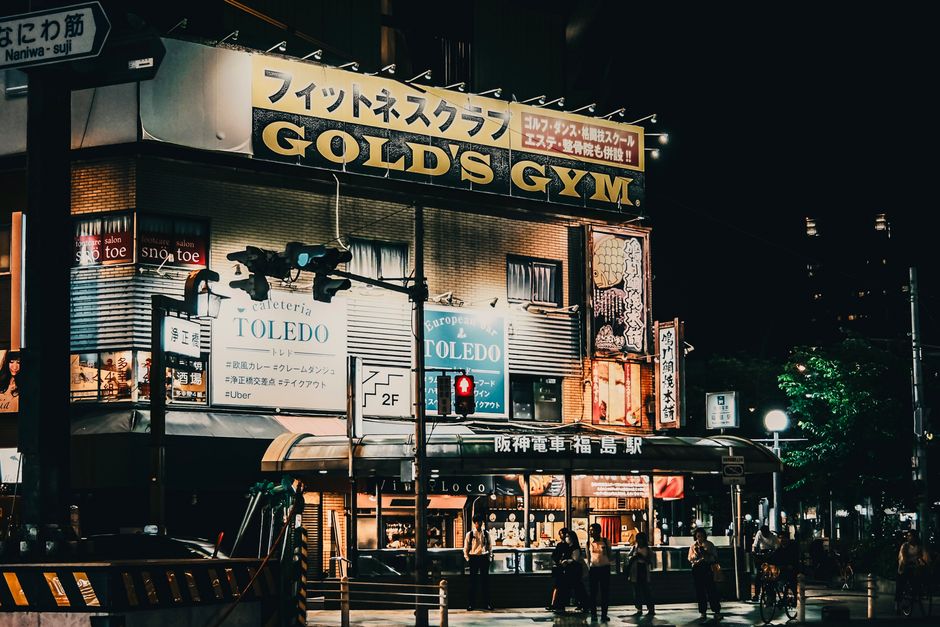
The transformation is already visible in Tokyo's gyms. Walk into Gold's Gym Shibuya or the sprawling Tokyo Metropolitan Gymnasium's annex facility near Sendagi, and you'll notice the shift: benches packed heavier than usual, squat racks booked solid through evening sessions, and whey protein sales surging across supplement counters. With the All Japan Bodybuilding Championship and the Japanese Powerlifting Federation's summer nationals both scheduled for mid-August, Tokyo's competitive fitness scene has entered what insiders call "crunch season."
According to data from the Japan Fitness Industry Association, membership inquiries at premium gyms across the Minato and Chiyoda wards have increased 34 percent since April compared to the same period last year. Monthly membership fees at top-tier facilities now range from ¥15,000 to ¥25,000, with specialized coaching packages adding another ¥5,000 to ¥8,000 weekly. Despite the premium pricing, waiting lists at facilities like World Gym in Roppongi extend through July.
The trend reflects broader shifts in Tokyo's fitness culture. Personal training has become the dominant model, with certified coaches—particularly those specializing in competition prep—commanding premium rates of ¥8,000 to ¥12,000 per hour session. Nutritionists and sports scientists have become essential team members for serious competitors, establishing micro-consulting operations in Harajuku and around Meiji Shrine.
Facility managers report that programming has evolved dramatically. Rather than generic strength training, gyms now offer specialized eight-week competition prep cycles. These programs incorporate periodized nutrition plans, recovery protocols using ice baths and compression therapy, and mental conditioning workshops addressing stage anxiety.
The economic impact extends beyond gym fees. Supplement retailers in the Takeshita shopping district and specialty shops along Omotesando report 42 percent higher sales volumes during this pre-competition window. Competition entry fees alone—¥8,500 to ¥15,000 per athlete—plus travel, coaching, and preparation costs mean serious competitors invest ¥200,000 to ¥400,000 over a summer season.
Interestingly, the surge reflects Tokyo's younger demographic embracing competitive fitness. Average competitor age has dropped to 28, with substantial participation from corporate professionals using athletics as stress relief and personal achievement outlets. Several major companies now sponsor employee competitors, viewing the investment as employee wellness initiatives.
As August approaches, Tokyo's gyms will reach peak intensity. The transformation from casual fitness culture to competitive preparation represents not just seasonal fluctuation, but a deepening embrace of structured athletic pursuit across the capital's increasingly health-conscious professional class.
This article was compiled by AI from the sources linked above and screened before publishing. See our editorial standards.
How does this story make you feel?
Spread the word
About this article
Published by The Daily Tokyo
Daily brief
Free, in your inbox before 7am. Weekdays.
More in Sport