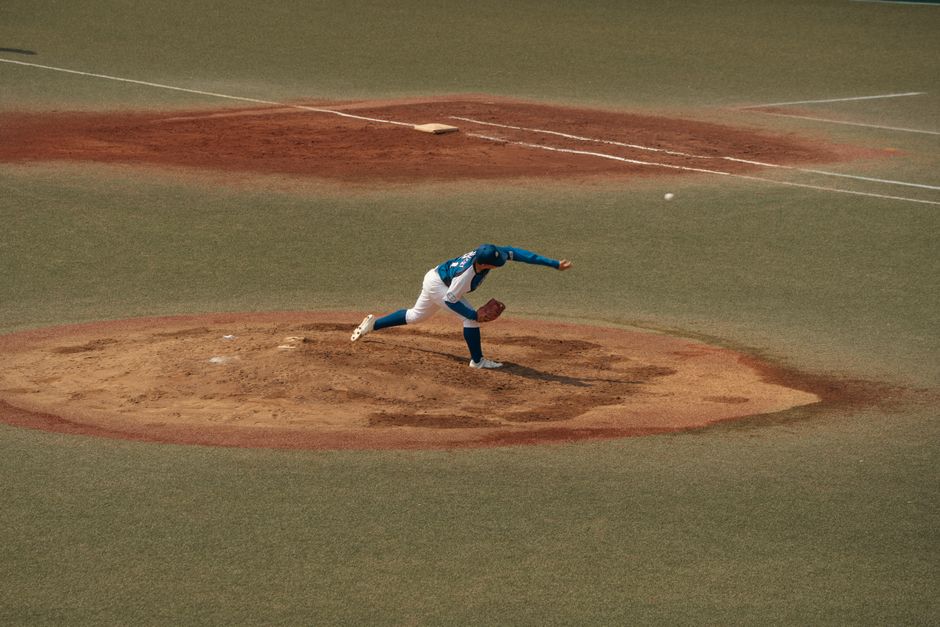
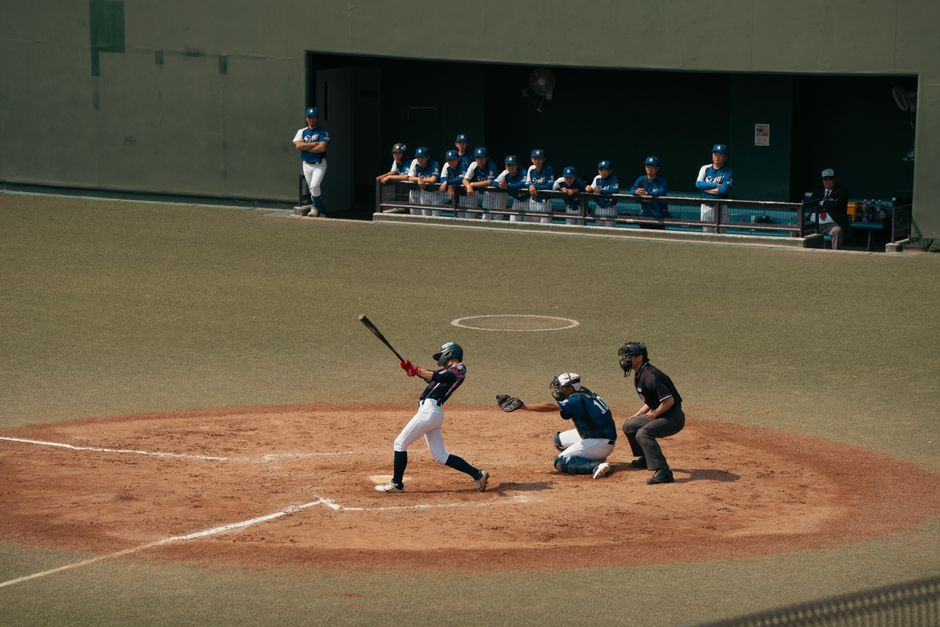
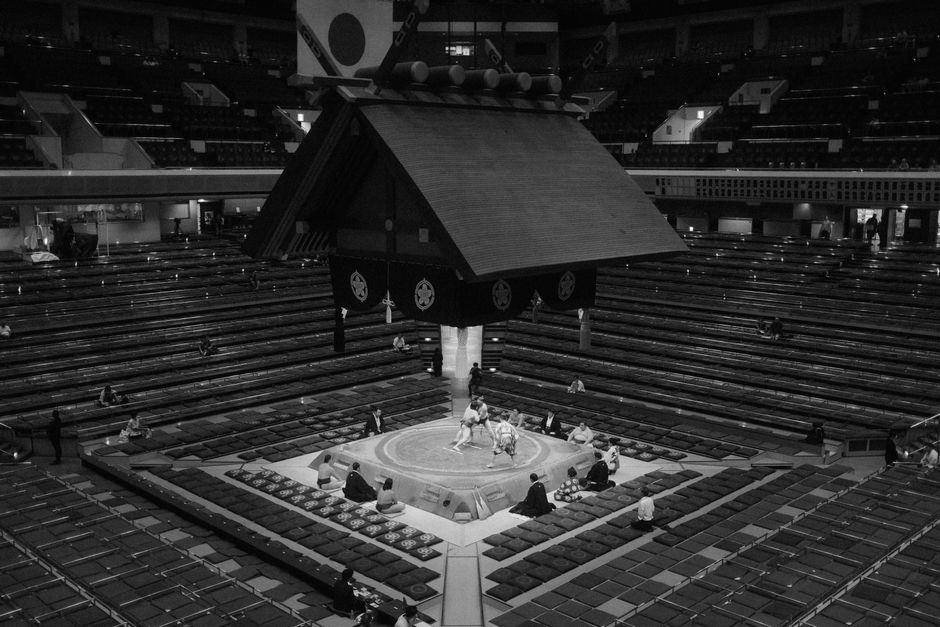
Walk through the Sumida ward on any weekday evening, and you'll find them: clusters of teenagers shooting hoops on cracked asphalt courts, their sneakers worn thin but their determination unwavering. These informal gathering spaces—tucked between apartment buildings in Asakusa, squeezed into parks near Kuramae Station, improvised in the shadows of Tokyo's gleaming commercial districts—represent the true foundation of Japanese sport.
The narrative of Tokyo's sporting excellence typically centres on iconic venues: the Japan National Stadium in Shinjuku, Tokyo Metropolitan Gymnasium in Minato ward, or the newly renovated aquatic centres in Odaiba. These temples of elite competition host world-class events worth billions in revenue and global prestige. Yet beneath this polished infrastructure thrives an equally vital ecosystem: the grassroots organisations that feed talent into these prestigious halls.
Community sports associations operating across Tokyo's 23 special wards register approximately 850,000 active members, according to data from the Tokyo Metropolitan Government Sports Bureau. Most are voluntary, operating on shoestring budgets. The Chiyoda District Youth Basketball League, for instance, runs with fewer than five full-time staff members yet coordinates programmes for over 3,000 young players across a dozen neighbourhood courts. Membership fees average ¥8,000 annually—deliberately kept low to ensure accessibility across socioeconomic groups.
These grassroots networks operate with remarkable efficiency. In Taito ward, the longstanding Uguisudani Sports Club—established in 1967—manages three facilities serving table tennis, badminton, and judo to 1,200 regular participants. Such organisations depend entirely on volunteer coaches, many of whom are retired athletes giving back to their communities. The model is distinctly Japanese: emphasis on discipline, collective responsibility, and long-term development rather than quick wins.
The infrastructure challenge, however, remains acute. Tokyo's explosive property values have consumed countless neighbourhood sports grounds over three decades. Where community gardens and modest courts once stood in Minato and Chuo wards, luxury developments now rise. Public sector subsidies for grassroots programmes have remained relatively flat despite the city's economic growth, forcing many organisations to become entrepreneurial—renting facilities during off-peak hours, seeking corporate sponsorships, organising community fundraisers.
Yet the system persists, even thrives. Coaches at these neighbourhood venues speak passionately about their mission: identifying talent early, building character through sport, and ensuring that socioeconomic status never determines a child's access to athletic development. When Japanese athletes stand atop Olympic podiums, their victory narrative often begins in modest spaces—quiet courts in Tokyo's residential neighbourhoods where volunteers dedicate countless unpaid hours to nurturing potential.
The major stadiums may capture headlines, but Tokyo's community sports movement remains its sporting heartbeat.
This article was compiled by AI from the sources linked above and screened before publishing. See our editorial standards.