Tokyo's Oku Climbing Collective Eyes National Title After Dominant Winter Series
The eight-member team from Shibuya is redefining competitive sport climbing in Japan with an aggressive training regimen and a fresh approach to athlete welfare.
The eight-member team from Shibuya is redefining competitive sport climbing in Japan with an aggressive training regimen and a fresh approach to athlete welfare.
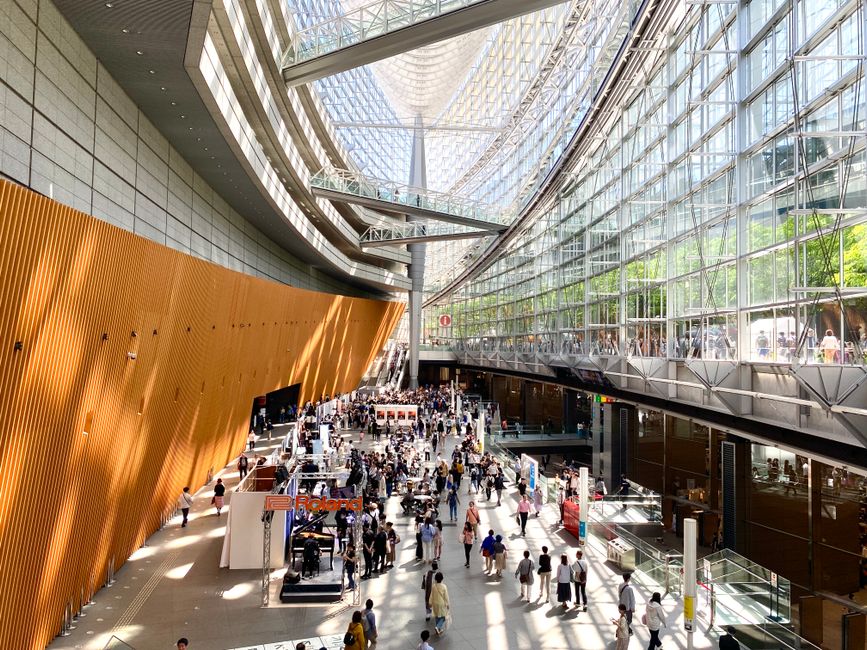
Tucked behind a convenience store on Meiji-dori in Shibuya, the Oku Climbing Collective has transformed a converted warehouse into one of Tokyo's most talked-about training hubs. What began three years ago as an informal gathering of six climbers has evolved into a serious competitive outfit, with eight members now preparing for the All Japan Sport Climbing Championship in Nagano this August.
The collective's recent dominance across winter bouldering competitions—claiming podium finishes in three of five qualifying events—has caught the attention of sponsors and climbing federations alike. Their success stems from an unconventional model: rather than funnelling athletes through traditional corporate teams, Oku operates as a cooperative, with members sharing equipment costs, coaching fees, and nutritionist services. Monthly membership runs ¥28,000, a fraction of what established climbing gyms charge in central Tokyo.
"We're not trying to be the next corporate juggernaut," explains the collective's logistics coordinator. "Our focus is sustainable training and athlete longevity." That philosophy extends to their 2,800-square-metre facility in Hatagaya, which includes a 14-metre competition wall alongside slower-burn training sections designed to prevent overuse injuries—a persistent problem in elite climbing circles.
The timing of Oku's emergence is significant. Japan's climbing profile has surged since the sport's Olympic debut in 2021, with domestic participation jumping 40 percent by 2024. Yet most elite athletes remain concentrated in traditional hotbeds like Osaka and Kyushu. Tokyo's climbing infrastructure has largely lagged behind demand, making Oku's grassroots approach refreshingly countercultural in a city obsessed with hierarchies and formal credentials.
Three of Oku's members have already qualified for the national championship. Their combined age is just 67—the youngest is 19, fresh from the Tokyo Metropolitan Junior Climbing Program. Coaches rotate responsibilities, with visiting specialists from Fontainebleau and American circuits offering quarterly masterclasses.
Sponsorship remains modest: local gear retailers and a small energy drink company provide equipment support. But interest is growing. The collective recently hosted an open training day at their Hatagaya location, drawing over 80 curious climbers. By September, they plan to expand to a second satellite gym in Ikebukuro, targeting the city's burgeoning amateur climbing community.
Whether Oku can sustain this momentum beyond the summer championship remains an open question. But in a city where individual achievement typically trumps collective endeavour, their collaborative model feels genuinely novel—and increasingly difficult to ignore.
This article was compiled by AI from the sources linked above and screened before publishing. See our editorial standards.
How does this story make you feel?
Spread the word
About this article
Published by The Daily Tokyo
Daily brief
Free, in your inbox before 7am. Weekdays.
More in Sport