Aoyama Cycling Club Eyes National Title After Dominant Regional Sweep
The Minato-based team's young roster has shattered course records and unified Tokyo's competitive cycling scene ahead of August's national championships.
The Minato-based team's young roster has shattered course records and unified Tokyo's competitive cycling scene ahead of August's national championships.
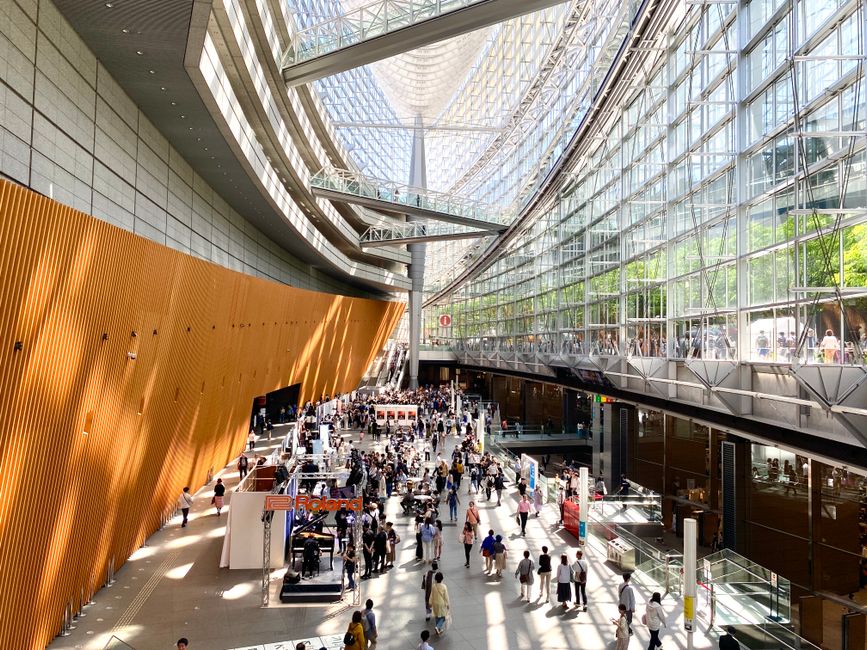
Aoyama Cycling Club has emerged as the story of Japan's endurance sport summer, dominating three consecutive regional qualifying races and posting times that have caught the attention of national selectors. The Minato ward-based club, which operates from a modest 200-square-metre facility near Aoyama-Itchome station, has transformed from a mid-tier competitor into a powerhouse in just eighteen months.
The team's breakthrough came at the Shonan Coastal Circuit last month, where five of its six riders finished in the top twelve—an unprecedented result for a Tokyo-based club in the 85-kilometre road race format. Club director Fumio Nakamura attributed the success to a systematic approach combining twice-weekly track sessions at the Izu Velodrome with altitude training camps in Nagano's Komoro district.
"We identified a gap in how Tokyo clubs developed younger riders," explained Nakamura during a recent training session. The club's membership has grown from forty-three to 127 participants over two years, with annual fees set at ¥42,000—roughly half the cost of rival organizations like Shibuya Velo and Chiyoda Racing Federation.
What distinguishes Aoyama, however, is its integrated team model spanning road cycling, track events, and triathlon. This diversity has proven crucial: three club members competed in last month's Tokyo Bay Triathlon Sprint Championship, with two placing in the top fifteen. Such cross-discipline training has produced unusual conditioning benefits, club coaches report.
The national road race championships begin August 15th in Yamanashi prefecture, with the team road race format drawing particular attention. Aoyama's entry sheet—announced yesterday—includes twenty-four-year-old Kenji Sato, who posted a personal best 4:18 on the 5-kilometre climbing segment at Hakone in April, and veteran domestic racer Yuki Tanaka, who has logged over 8,000 competitive kilometres this season.
Sponsorship remains modest. The club operates with backing from a local bicycle repair franchise and a sports nutrition supplier, generating approximately ¥1.8 million annually. By contrast, larger federations maintain budgets exceeding ¥15 million.
Yet momentum appears genuine. Training rides departing from Roppongi Hills most Tuesday and Thursday mornings now attract observers from competing clubs. The Aoyama roster's willingness to mentor junior cyclists—the club runs a free Tuesday evening session for ages 14-17—has cultivated genuine community goodwill rarely seen in Tokyo's traditionally insular cycling scene.
With six weeks until nationals, coaches are managing intensity carefully. Success would represent a remarkable achievement for an organization that, just two years ago, struggled to field competitive teams. Aoyama Cycling Club has already rewritten its own narrative. Now it seeks to reshape Tokyo cycling's hierarchy.
This article was compiled by AI from the sources linked above and screened before publishing. See our editorial standards.
How does this story make you feel?
Spread the word
About this article
Published by The Daily Tokyo
Daily brief
Free, in your inbox before 7am. Weekdays.
More in Sport