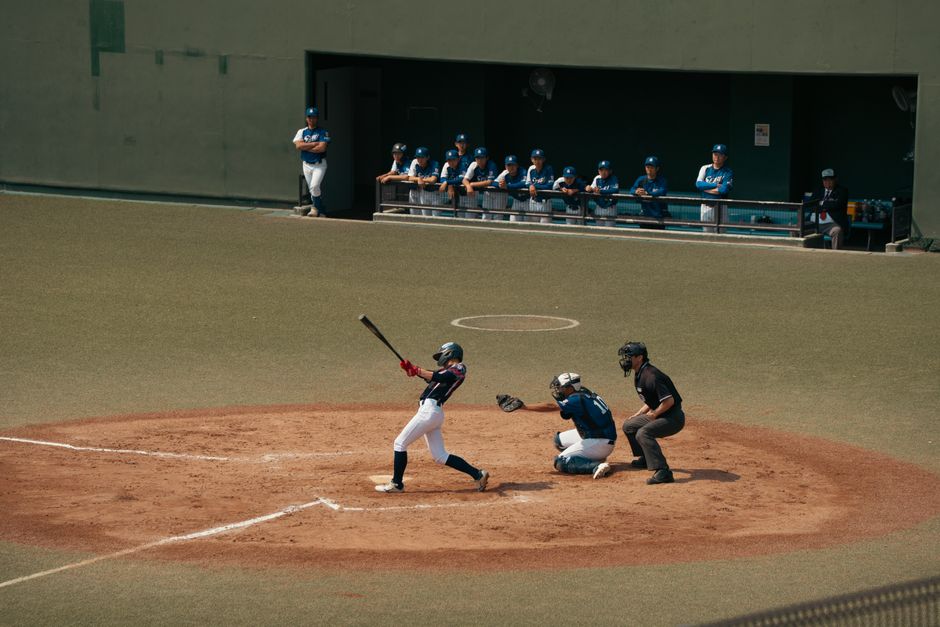
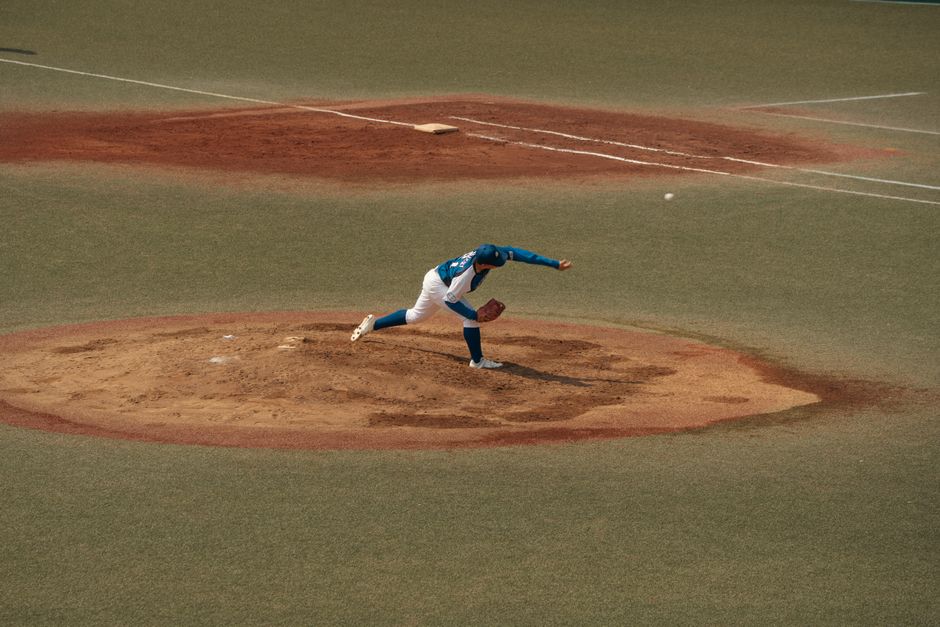
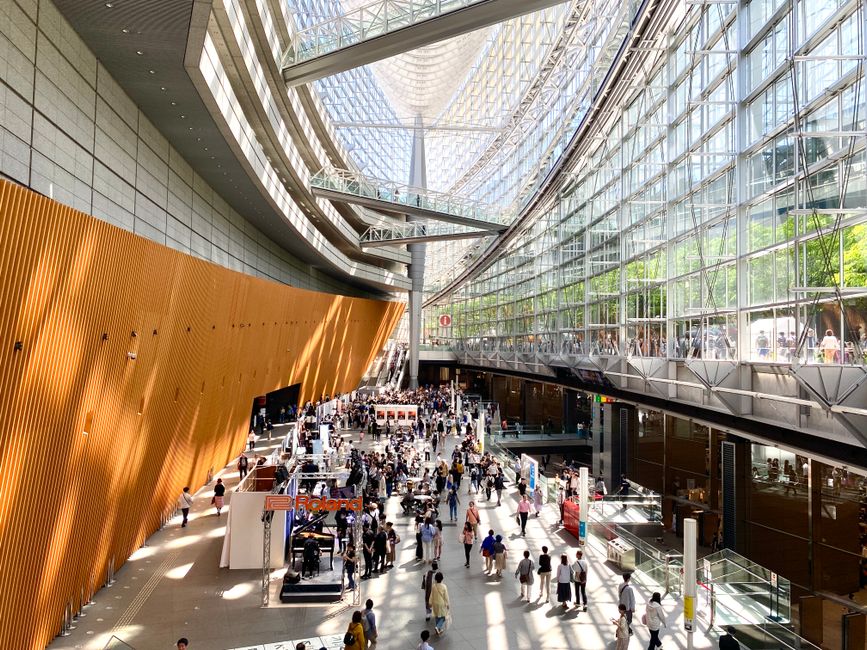
As Tokyo enters the final week of June, the city's major sporting venues are shifting into high gear. The summer finals season—traditionally Japan's most intense competitive window—promises to draw record crowds to stadiums across the metropolitan area, testing both facilities and the transport networks that bind them together.
The National Stadium in Shinjuku Ward remains the gravitational centre of Tokyo's sporting calendar. Built for the 2020 Olympics and expanded since, the 68,000-capacity venue will host multiple championship deciders across athletics, rugby sevens tournaments, and the Japan Football League Cup final in early July. Season tickets in the premium sections fetch between ¥180,000 and ¥320,000—a significant investment reflecting the venue's prestige and limited availability.
But Tokyo's finals ecosystem extends far beyond Kasumigaseki. Yokohama Stadium, roughly 30 kilometres southwest via the Shonan-Shinjuku Line, will anchor the professional baseball playoffs, with capacity crowds anticipated through July and August. Meanwhile, the Ariake Arena complex in Minato Ward—another Olympic legacy venue—hosts volleyball and badminton finals, drawing regional competitors from across East Asia.
Transport logistics remain the perennial challenge. Tokyo's Metropolitan Police reported that last year's finals season generated congestion spikes equivalent to a 15-20 percent increase in rush-hour traffic on key routes: the Ome Line serving Shinjuku, the Tokaido Shinkansen for Yokohama-bound spectators, and the Rinkai Line feeding the Ariake precinct. Officials recommend purchasing transport cards in advance and arriving 90 minutes before tipoff.
Venue pricing reflects demand stratification. Premium seats at the National Stadium for marquee events average ¥25,000-¥45,000. Secondary venues like Ajinomoto Stadium in Chofu offer more accessible pricing (¥8,000-¥15,000) while maintaining atmosphere and competitive calibre, particularly for J-League matches.
The Tokyo Metropolitan Government has implemented targeted infrastructure measures: extended operating hours for rail services through August 31st, additional stadium parking facilities near Harajuku and Ebisu districts, and enhanced crowd management protocols based on post-pandemic learnings. Capacity restrictions have been fully lifted, reverting to pre-2019 configurations.
For visiting supporters from Osaka, Nagoya, and Fukuoka, the shinkansen offers express access, with finals-weekend packages bundling rail tickets and accommodation now selling steadily through travel agents in those regions. Early booking advisories remain in effect through mid-July.
Tokyo's summer finals season represents far more than athletic competition—it's the city's sporting infrastructure in full orchestration, moving tens of thousands daily across an intricate web of venues, transit systems, and neighbourhoods that function seamlessly, if predictably, under pressure.
This article was compiled by AI from the sources linked above and screened before publishing. See our editorial standards.