Walk through the narrow backstreets of Shimokitazawa on a weekday evening, and you'll find something that wasn't commonplace in Tokyo gyms five years ago: strangers spotting each other, laughing between sets, exchanging meal prep tips in cramped basement studios. This is the heartbeat of Tokyo's grassroots fitness revolution—a movement that has quietly dismantled the city's historical reputation for solitary, corporate-driven gym culture.
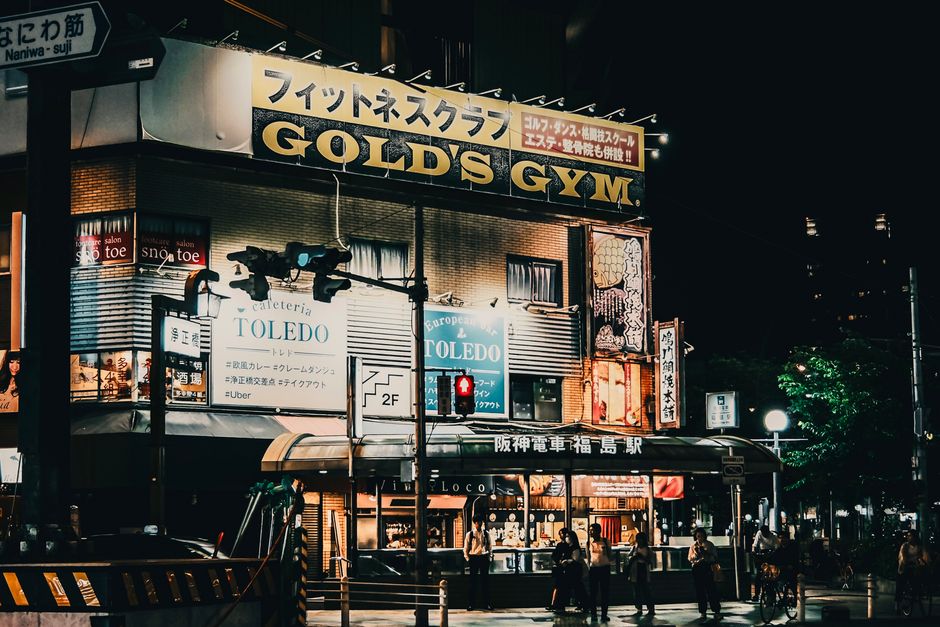
The numbers tell a revealing story. While membership at major chains like Gold's Gym and Konami Sports Club has plateaued at roughly 3.2 million users across Japan, independent community fitness spaces have grown by approximately 18 percent annually since 2021. In Tokyo's 23 wards alone, data from the Tokyo Metropolitan Government's Sports Promotion Division suggests over 400 small-scale, community-operated fitness collectives now operate—many charging between ¥5,000 and ¥8,000 monthly, roughly half the price of corporate alternatives in central wards like Minato and Chiyoda.
The shift reflects deeper cultural change. Megumi Fitness Collective in Asakusa, established in 2023, operates from a converted sake brewery warehouse and serves 200 active members who attend group training sessions, nutrition workshops, and social events. Similar models have sprouted in Hatagaya, Kichijoji, and along the Chuo Line corridor—spaces designed not merely as exercise venues but as neighbourhood anchors.
"People realised they didn't need polished facilities or brand names," explains Yuki Tanaka, who coordinates the Tokyo Independent Fitness Network, a loose coalition of 67 community gyms. "They wanted accountability, connection, and affordability. The corporate model assumed isolation; we assume community."
This grassroots momentum extends beyond weightlifting. Running clubs meeting at Yoyogi Park have swelled to over 2,000 registered participants across 12 organised groups. Bodyweight training circles in Ikebukuro's parks attract 300-plus practitioners weekly. Free or donation-based fitness classes in municipal facilities have seen 40 percent increased attendance since 2024.
The movement reflects Tokyo's broader post-pandemic recalibration. After years of isolation, residents increasingly view fitness not as individualistic self-improvement but as communal practice. Neighbourhood gyms function as de facto community centres—spaces where overworked salarymen, shift workers, and retirees share equipment and encouragement in ways corporate chains, with their anonymous sprawl, never facilitated.
As Tokyo's fitness landscape fragments from the corporate centre, grassroots spaces aren't just offering cheaper memberships. They're restoring something the city's relentless efficiency once eroded: the simple, irreplaceable value of showing up together.
This article was compiled by AI and screened before publishing. See our editorial standards.