From Kasumigaoka to Komazawa: How Tokyo's Clubs Are Turning Stadiums Into Neighbourhoods
Across the capital, local sporting clubs are filling their venues not just on match days but every day of the week — and residents are showing up.
Across the capital, local sporting clubs are filling their venues not just on match days but every day of the week — and residents are showing up.

Tokyo's major sporting venues are no longer sitting dark between fixtures. A quiet but significant shift is underway across the city, with local clubs transforming their grounds into year-round community hubs that host everything from youth academies to weekend farmers' markets, drawing residents who have never watched a match in their lives.
The timing matters. Japan Football Association data released in May showed domestic J.League average attendances climbed to 21,400 per match in the 2025 season, the highest figure since the league's 1993 founding year. Tokyo clubs are riding that wave, but the sharper trend is what happens on the days the gates would otherwise be padlocked.
FC Tokyo has spent the past two years converting the area around Ajinomoto Stadium in Chofu — a 50,000-seat venue that opened in 2000 — into what the club brands its "Blue & Red Campus." The initiative, which launched formally in April 2024, runs Saturday morning football clinics for children aged five to twelve, charging ¥1,500 per session, well below the ¥4,000 to ¥6,000 typical of private football schools in the Tama area. On non-match Sundays, the stadium concourse hosts a local producers' market that drew more than 8,000 visitors across the four Sundays of last October alone, according to figures the club submitted to Chofu City Hall. The club's community outreach department, staffed by eight full-time employees as of January 2026, runs a parallel programme with three local elementary schools along Fuchu Highway, embedding football and physical literacy into the curriculum twice a month.
Komazawa Olympic Park in Setagaya Ward tells a parallel story. Tokyo Verdy, promoted back to J1 in 2024 after a long absence from the top flight, have leaned hard into the park's historical identity — it hosted events during the 1964 Tokyo Olympics — to market the club as a keeper of civic memory. Their "Verdy Green Day" programme, held on the first Sunday of every month, opens the training pitches adjacent to the main stadium for free community five-a-side games. Participation has grown steadily; roughly 340 adults registered for the July 6 session, up from 190 when the programme launched in September 2024.
The model is spreading beyond football. The Brave Lupus Tokyo, the rugby club affiliated with Panasonic that competes in the Japan Rugby League One, began offering weekday access to their training facility near Musashimurayama City last autumn. For ¥800 a session, local residents can use the strength and conditioning suite between 10am and 2pm, hours the squad is not scheduled. Uptake was modest at first — around 30 users per week in October — but the figure had climbed to 140 weekly users by March 2026.
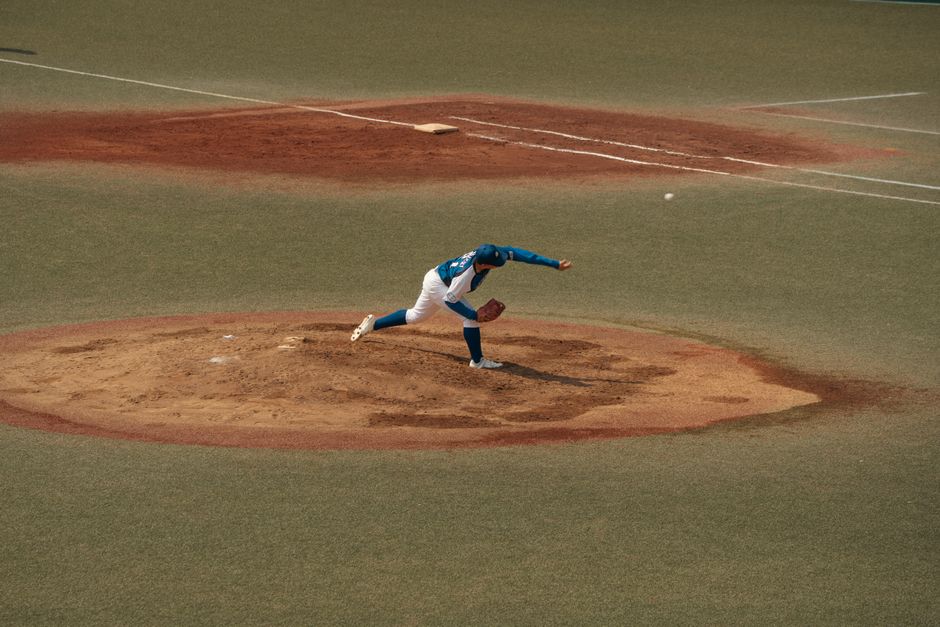
Even Meiji Jingu Baseball Stadium in Shinjuku, home to the Tokyo Yakult Swallows and one of the oldest baseball parks in Japan, has expanded its school visit programme. Some 6,200 primary school children from Shinjuku and Shibuya wards attended structured stadium education days during the 2025-26 academic year, learning about the ground's 1926 origins alongside basic sports science.
The data suggests these programmes are sticky. A survey conducted by the Tokyo Metropolitan Government's Sports Promotion Bureau in February 2026 found that 41 percent of residents who first visited a major sporting venue for a non-match community event subsequently attended at least one match within six months. In a city where sports venue access has historically been concentrated around Ariake and the Olympic legacy sites in the east, the spread of activity to Chofu, Setagaya and Musashimurayama represents a genuine geographic broadening.
For residents wanting to get involved, most clubs post monthly schedules on their official websites with registration opening on the 20th of the preceding month. FC Tokyo's Blue & Red Campus clinics for the August schedule open July 20. Verdy's community pitches require only a free membership card, available at the Komazawa park administration office, Gate 2, any weekday between 9am and 5pm.
How does this story make you feel?
Spread the word
About this article
Published by The Daily Tokyo
Daily brief
Free, in your inbox before 7am. Weekdays.
More in Sport