Tokyo's coworking landscape has transformed dramatically since the pandemic shifted work patterns across Japan. But the real disruption is just beginning. Over the next 18 months, the city will see a wave of product launches and infrastructure upgrades that promise to reshape how the capital's 14 million residents work remotely and collaborate.
WeWork Japan and domestic competitor Basis Point are both rolling out AI-driven space allocation systems by Q3 2026, allowing members to book desks and meeting rooms through predictive algorithms that learn usage patterns. Basis Point, headquartered in Minato ward, is piloting biometric wellness integration across its five Tokyo locations—heart rate and posture monitoring built directly into standing desks, with real-time recommendations synced to users' health apps.
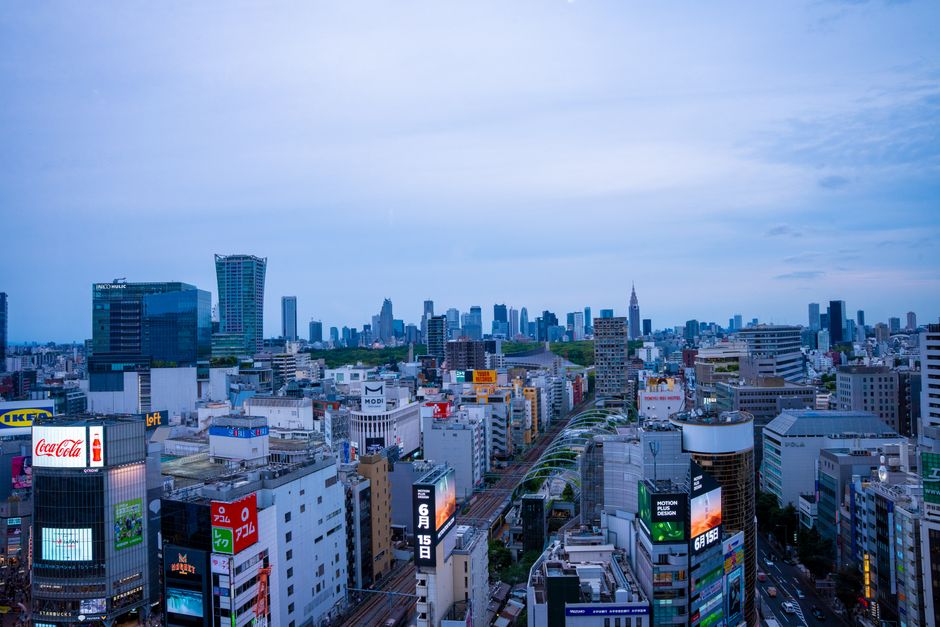
The neighbourhood-scale shift is equally significant. Rather than concentrating premium coworking in Shibuya's Dogenzaka corridor or Shinjuku's office towers, new "micro-hub" models are emerging in residential areas like Setagaya and Nakano. These 50-100 seat operations, priced at ¥15,000-20,000 monthly versus ¥30,000+ for central locations, address a critical gap: remote workers who need professional space but reject Tokyo's punishing commute culture.
Japanese telecom giant NTT East is launching its first integrated workplace-as-a-service offering in autumn 2026, combining fibre connectivity, security infrastructure, and access to a network of partner spaces across the Kanto region. This represents a significant pivot toward bundled solutions rather than standalone coworking memberships.
Perhaps most intriguingly, several Tokyo-based VR companies are beta-testing immersive collaboration spaces. Thirdline and Cluster are partnering with coworking operators in Akihabara and Harajuku to offer metaverse-enabled meeting rooms—allowing distributed teams across Japan to inhabit shared virtual offices while physically present in local hubs. Early feedback suggests younger professionals find this hybrid approach more engaging than video calls.
Data from Japan's Ministry of Economy, Trade and Industry shows remote-capable workers in Tokyo grew from 28% in 2022 to 47% by early 2026, yet only 22% use formal coworking spaces regularly. That gap represents Tokyo's next opportunity. The products arriving over the next year suggest the industry is finally solving the real problem: not just providing desk space, but creating genuinely flexible, neighbourhood-integrated, tech-enabled ecosystems that fit how Tokyo actually works now.
This article was compiled by AI from the sources linked above and screened before publishing. See our editorial standards.