Tokyo's Green Tech Startups Race to Meet Japan's 2030 Carbon Goals
A surge of sustainability-focused ventures in Shibuya and Shinjuku are reshaping how the capital manages energy, waste, and urban infrastructure.
A surge of sustainability-focused ventures in Shibuya and Shinjuku are reshaping how the capital manages energy, waste, and urban infrastructure.
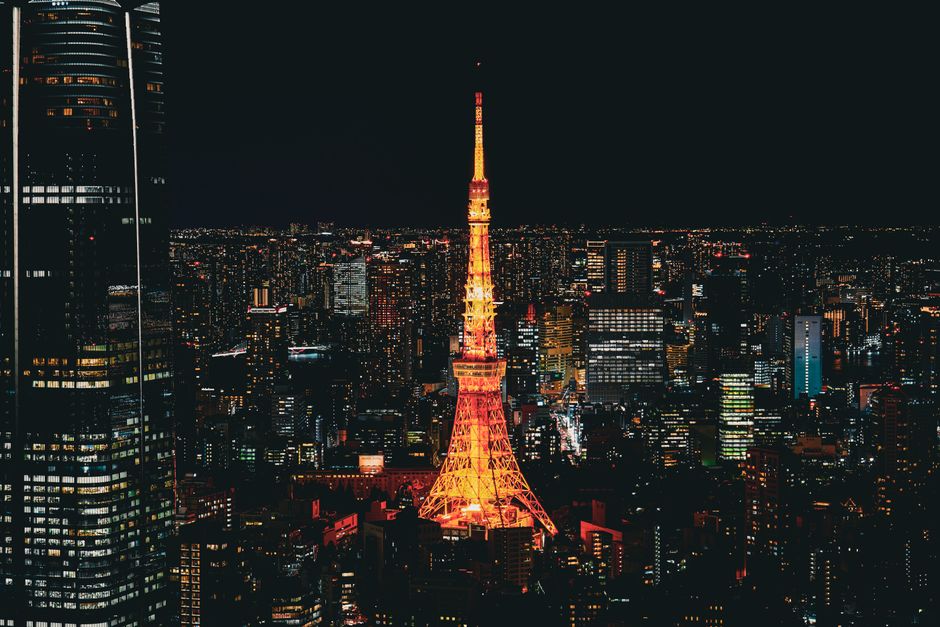
Tokyo's startup ecosystem is experiencing a notable pivot toward clean energy and green technology this year, driven by Japan's commitment to cut greenhouse gas emissions by 46% by 2030. The shift is most visible in the tech corridors of Shibuya and Shinjuku, where venture capital focused on sustainability has nearly doubled compared to 2024 figures, according to preliminary data from the Tokyo Metropolitan Government's Innovation Bureau.
The momentum reflects both regulatory pressure and market opportunity. Japan's Green Growth Strategy, reinforced by recent policy announcements, has created urgency among founders and investors. Several emerging companies are tackling Japan's specific challenges: aging infrastructure, limited space for renewable deployment, and the transition away from nuclear dependency. Building management systems that optimize energy consumption across Tokyo's notoriously power-intensive office blocks have become a particular focus.
One cluster of activity centres around the startup hubs near Meiji-dori in Shibuya, where companies are developing AI-powered microgrid solutions for apartment complexes and small commercial buildings. These systems manage solar panels, battery storage, and grid demand in real time—crucial for a densely packed metropolis where rooftop space is at a premium. Initial pilots in Minato ward have reportedly reduced energy costs by 15-20% for participating buildings.
Waste management and circular economy solutions represent another growth area. Entrepreneurs are launching platforms that help Tokyo's businesses navigate increasingly strict recycling regulations while identifying revenue streams from materials previously considered waste. The city's strict separation requirements—Tokyo mandates nine categories of waste sorting—have created demand for software that tracks compliance and connects suppliers with recyclers.
Investment activity reflects this momentum. Green tech startups raised approximately ¥28 billion across the region in the first half of 2026, up from ¥15.2 billion in the same period last year, though precise figures remain preliminary. Several established tech investors have opened dedicated sustainability-focused funds, and corporate venture arms from major trading companies and utilities are increasingly visible at demo days in Roppongi and around the Shibuya Stream development.
Challenges remain. Access to capital for hardware-heavy solutions lags behind software ventures, and regulatory frameworks haven't always kept pace with innovation. Yet the convergence of demographic pressure—Japan faces severe labour shortages—and climate urgency is creating a particular niche for Tokyo startups: automation and efficiency solutions that solve multiple problems simultaneously. As the city hosts the 2028 Olympic Review meetings, the pressure to demonstrate concrete sustainability progress is likely to intensify further.
This article was compiled by AI from the sources linked above and screened before publishing. See our editorial standards.
How does this story make you feel?
Spread the word
About this article
Published by The Daily Tokyo
Daily brief
Free, in your inbox before 7am. Weekdays.
More in tech