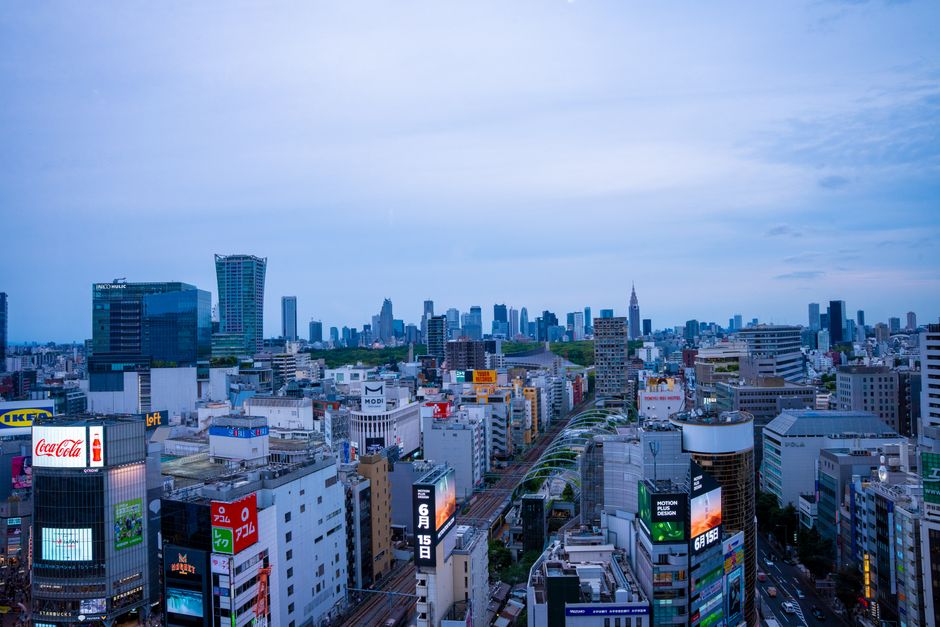
Tokyo's cybersecurity firms chart ambitious roadmap as digital threats escalate in 2026
Japanese tech companies are rolling out next-generation privacy tools and AI-powered defence systems designed to protect millions of users across Asia.
Japanese tech companies are rolling out next-generation privacy tools and AI-powered defence systems designed to protect millions of users across Asia.

Tokyo's bustling Akasaka district, home to dozens of mid-sized cybersecurity startups, is buzzing with anticipation as firms prepare to launch a wave of new products over the next 18 months. The timing could not be more critical: according to Japan's National Police Agency, cyberattacks targeting domestic corporations surged 47 percent in the first half of 2026, with ransomware incidents affecting everything from financial institutions to healthcare providers.
Among the most eagerly anticipated developments is a suite of quantum-resistant encryption tools expected from developers in the Nihonbashi innovation hub by late 2027. These systems are designed to protect sensitive data against future quantum computing threats—a concern that has moved from theoretical to urgent as computational power accelerates globally. Industry analysts estimate the market for post-quantum cryptography solutions in Asia-Pacific will reach $2.8 billion by 2028.
Meanwhile, privacy-focused authentication platforms are being refined in laboratories across Shinjuku and Shibuya. Several Tokyo-based firms are beta-testing zero-knowledge proof technology that allows users to verify their identity without exposing personal information to third parties. Early pilot programs with banking partners in Marunouchi have shown promising results, with user adoption rates exceeding expectations.
The Japanese government's Digital Agency, based near Tokyo Station, has signalled strong support for these developments. Recent subsidies totalling ¥3.2 billion have been allocated to accelerate research into AI-powered threat detection systems—tools capable of identifying sophisticated attacks in real time. This investment reflects growing concern about state-sponsored hackers targeting critical infrastructure.
Security researchers at leading Tokyo universities are also advancing personal data protection frameworks. A consortium led by institutions in the Bunkyo ward is developing ethical AI systems that flag potentially risky data-sharing practices before users consent to them. Preliminary trials involving 50,000 Tokyo residents demonstrated that such interventions could reduce unwanted data leakage by up to 62 percent.
Industry insiders say consumer-grade products will follow enterprise solutions within months. Affordable VPN alternatives, biometric security keys, and automated privacy audit tools are all scheduled for release by early 2027, with price points targeting middle-income households across Japan and the wider region.
The convergence of international tension, regulatory pressure, and consumer awareness means Tokyo's role as a regional cybersecurity hub is only strengthening. For residents and businesses alike, the promise of robust new digital defences is welcome news in an increasingly precarious online landscape.
This article was compiled by AI from the sources linked above and screened before publishing. See our editorial standards.
How does this story make you feel?
Spread the word
About this article
Published by The Daily Tokyo
Daily brief
Free, in your inbox before 7am. Weekdays.
More in tech