Tokyo's Remote Work Boom Masks Growing Ethical Fault Lines
As coworking spaces proliferate across Shibuya and beyond, Japan grapples with privacy concerns, labour exploitation, and the darker side of workplace liberation.
As coworking spaces proliferate across Shibuya and beyond, Japan grapples with privacy concerns, labour exploitation, and the darker side of workplace liberation.
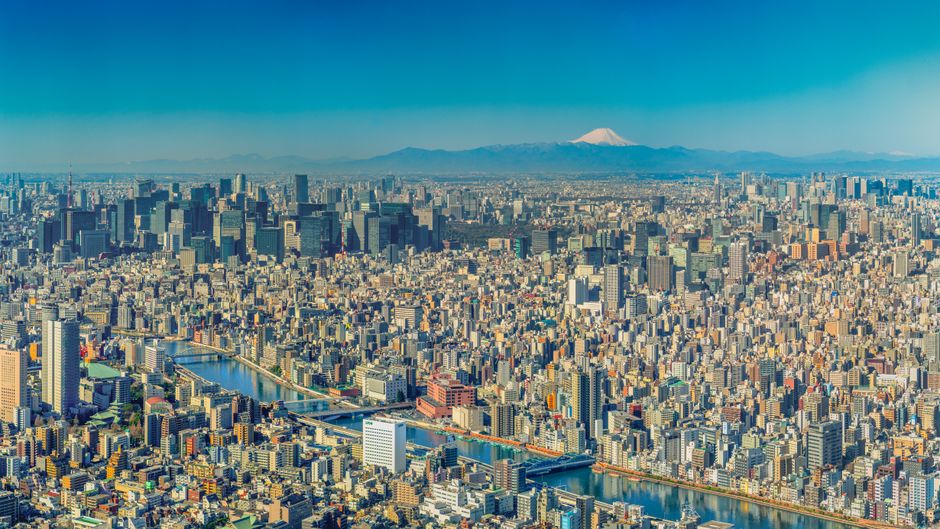
Walk down Meiji-dori on any weekday morning and you'll see the transformation firsthand. Where traditional office towers once dominated Tokyo's commercial landscape, sleek coworking facilities now beckon freelancers, startups, and corporate refugees with promises of flexibility and community. The numbers tell the story: Japan's coworking market has grown 23% annually since 2023, with occupancy rates in premium Shibuya venues hovering around 78%—a figure that would have seemed impossible a decade ago.
Yet beneath this promise of liberation lurks a more complicated reality. At facilities like those clustering around Roppongi Hills and the emerging workspace hubs in Nakameguro, workers increasingly face what labour advocates call "the autonomy paradox." While remote work offers flexibility, it's simultaneously eroding the traditional employer-employee relationship that historically protected Japanese workers through lifetime employment norms and collective bargaining structures.
The ethical questions are mounting. Many coworking spaces operate with minimal oversight of employment practices. A worker renting a desk at a Ginza-based coworking facility for ¥8,000-12,000 monthly exists in regulatory grey space—neither clearly an employee nor transparently self-employed. Japan's labour ministry has yet to establish comprehensive guidelines for this category, creating vulnerability for the estimated 340,000 remote workers now operating in major urban centres.
Privacy presents another concern. Coworking environments by design eliminate the isolation that office work once provided. Data security remains inconsistent across facilities, with some premium venues offering encrypted networks while budget operators in Ikebukuro and Harajuku maintain standards barely above standard café Wi-Fi. For workers handling sensitive information—common among tech professionals in Tokyo—the risks are substantial.
Perhaps most troubling is the illusion of choice. The coworking narrative celebrates independence, yet it frequently disguises precarity. Companies increasingly hire remote workers to avoid severance obligations and benefit contributions. Workers gain flexibility but lose the social safety net Japanese employment traditionally offered. Burnout rates among remote workers in Japan have risen 31% since 2023, according to recent surveys from the Japan Productivity Centre.
Tokyo's tech industry has long positioned itself as progressive and innovative. But the rapid expansion of remote work infrastructure without corresponding legal and ethical frameworks suggests a troubling pattern: adopting Western workplace models while abandoning the protections that made Japanese employment distinctive.
The challenge facing policymakers, employers, and workers themselves is clear: how to preserve remote work's genuine benefits—flexibility, reduced commuting, democratised opportunity—while rebuilding protections for an increasingly vulnerable workforce. Without deliberate action, Tokyo risks becoming a cautionary tale of promise compromised by oversight.
This article was compiled by AI from the sources linked above and screened before publishing. See our editorial standards.
How does this story make you feel?
Spread the word
About this article
Published by The Daily Tokyo
Daily brief
Free, in your inbox before 7am. Weekdays.
More in tech


