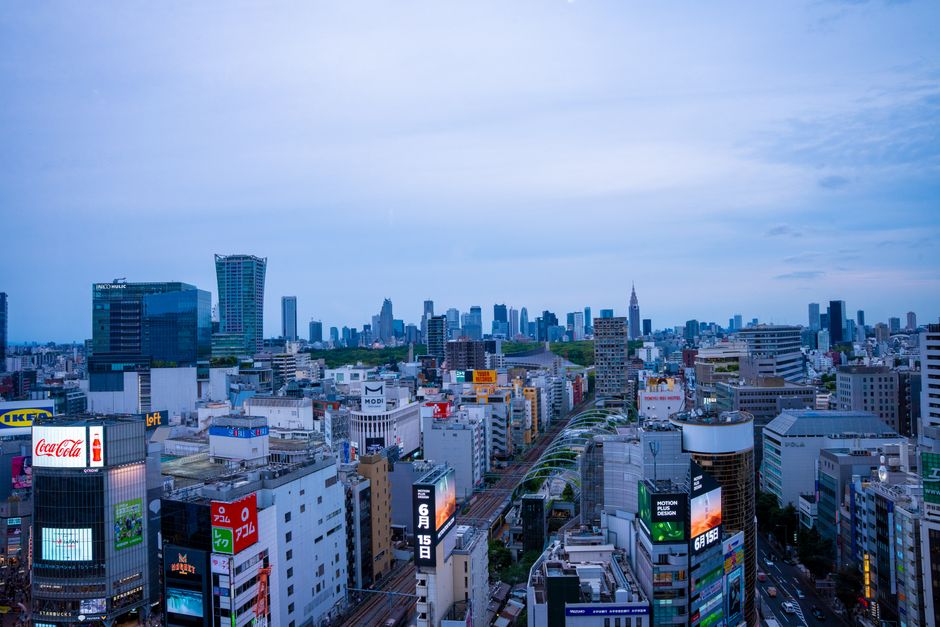
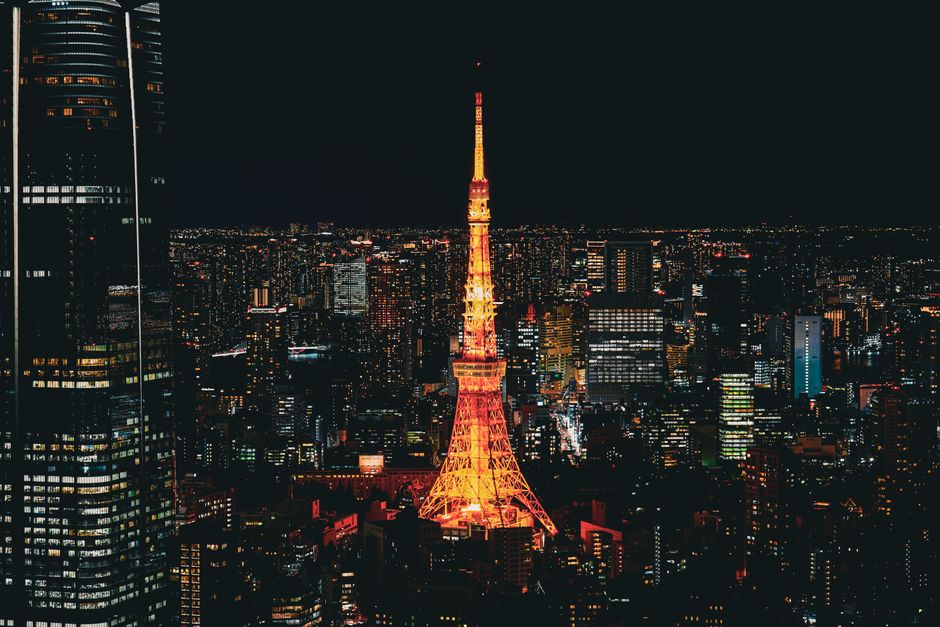
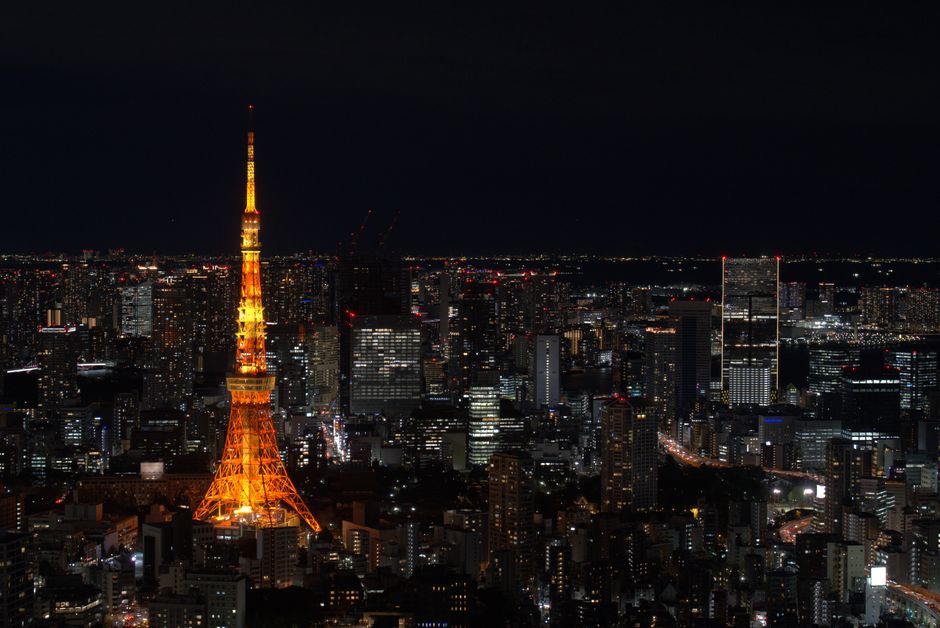
Walk through Akihabara's neon-lit streets or the gleaming corporate towers of Marunouchi, and you'll encounter the promise: Japan's cybersecurity industry is booming. The sector generated ¥2.8 trillion in revenue last year, with Tokyo accounting for roughly 40% of the nation's digital security workforce. Major firms headquartered near Hibiya Park and along the Chiyoda Line have made the capital the Asia-Pacific's undisputed cybersecurity hub.
Yet beneath this glittering facade lies a troubling paradox. Last month, a major financial services provider operating from an office building in Nihonbashi suffered a data breach affecting 340,000 customers—their names, addresses, and account details exposed. It was Tokyo's third significant incident this quarter alone. Meanwhile, the Tokyo Metropolitan Government has quietly expanded its use of facial recognition cameras across the Shinjuku and Shibuya districts, ostensibly for public safety, without transparent public consultation.
"We're building fortresses while living in glass houses," says a digital rights researcher based in Roppongi, reflecting on the sector's contradiction. The infrastructure protecting Japan's financial systems, government agencies, and corporate networks is world-class. Yet the same technologies enabling that protection—mass surveillance, biometric data collection, algorithmic decision-making—raise questions that Tokyo's tech community has largely avoided confronting openly.
The challenge is institutional. Japan's Personal Information Protection Act, revised in 2022, remains weaker than Europe's GDPR in critical areas. Corporate compliance costs average ¥18 million annually for mid-sized firms, yet enforcement remains inconsistent. A startup operating from a converted warehouse in Kuramae might invest heavily in security; a larger corporation in Minato Ward might treat privacy as an afterthought, betting regulators won't act decisively.
Meanwhile, younger Tokyoites—particularly students at universities clustered around Shibuya and Harajuku—increasingly recognize the trade-off between convenience and autonomy. A 2025 survey found 64% of Tokyo residents worried about data misuse, yet 72% continued using services requiring extensive personal information.
The question facing Tokyo's thriving tech ecosystem isn't whether cybersecurity matters—it demonstrably does. Rather, it's whether the industry will build systems that protect people alongside protecting data. As the sector matures, policymakers and companies must answer harder questions about surveillance ethics, consent, and whose interests a "secure" digital future actually serves.
This article was compiled by AI from the sources linked above and screened before publishing. See our editorial standards.