Tokyo's Venture-Backed Startups Are Quietly Reshaping Daily Life in Shibuya and Beyond
From AI-powered convenience stores to hyperlocal delivery networks, the city's booming startup ecosystem is solving the problems that matter most to residents.
From AI-powered convenience stores to hyperlocal delivery networks, the city's booming startup ecosystem is solving the problems that matter most to residents.
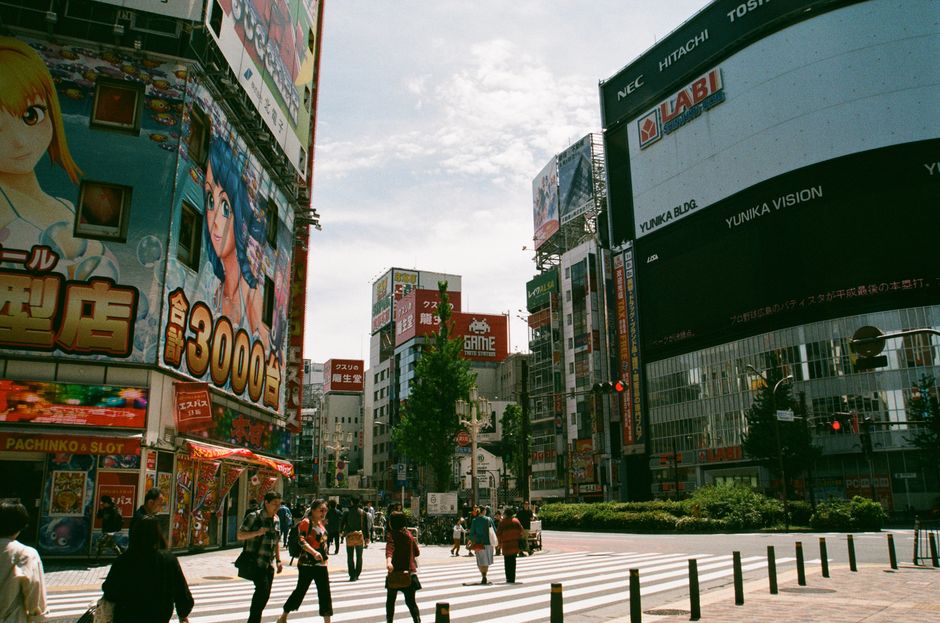
Walk through Shibuya Centre-Gai on a Tuesday morning, and you'll notice something has shifted. The convenience store on the corner now uses computer vision to track inventory in real-time. The ramen shop next door relies on a Tokyo-based logistics startup to manage its supply chain. Even the vending machines dotting Omotesando dispense drinks selected by an algorithm trained on neighborhood weather patterns and foot traffic.
This is the new Tokyo—one where venture capital flowing into the city's startup ecosystem isn't just funding tech demos in glass offices. It's fundamentally changing how ordinary residents move through their day.
The numbers tell part of the story. Venture funding in Japan reached ¥620 billion ($4.2 billion USD equivalent) in 2025, with Tokyo capturing roughly 60 percent of all deals. But the real story lies in the neighborhoods themselves. In Minato ward, a startup called EcoLoop has raised ¥8.5 billion to automate Tokyo's notoriously complex recycling system—something that directly impacts the 2.3 million households struggling with the city's eleven different waste categories. Residents in Chiyoda and Shibuya now use the app daily.
Healthcare startups are equally transformative. A Shinjuku-based telemedicine platform has reduced wait times at local clinics by 40 percent since launch two years ago, addressing one of Tokyo's persistent headaches: packed medical centers and aging practitioners. Senior residents in Taito ward particularly benefit from the platform's multilingual support and same-day prescription delivery.
The mobility sector showcases how venture backing trickles down to street level. Last-mile delivery startups have proliferated since 2024, with companies competing ferociously for dominance in high-density neighborhoods. A package that once took three days to arrive in Harajuku now comes the next morning—sometimes within hours. This has quietly transformed retail habits, particularly for elderly residents who previously avoided online shopping due to unpredictable delivery windows.
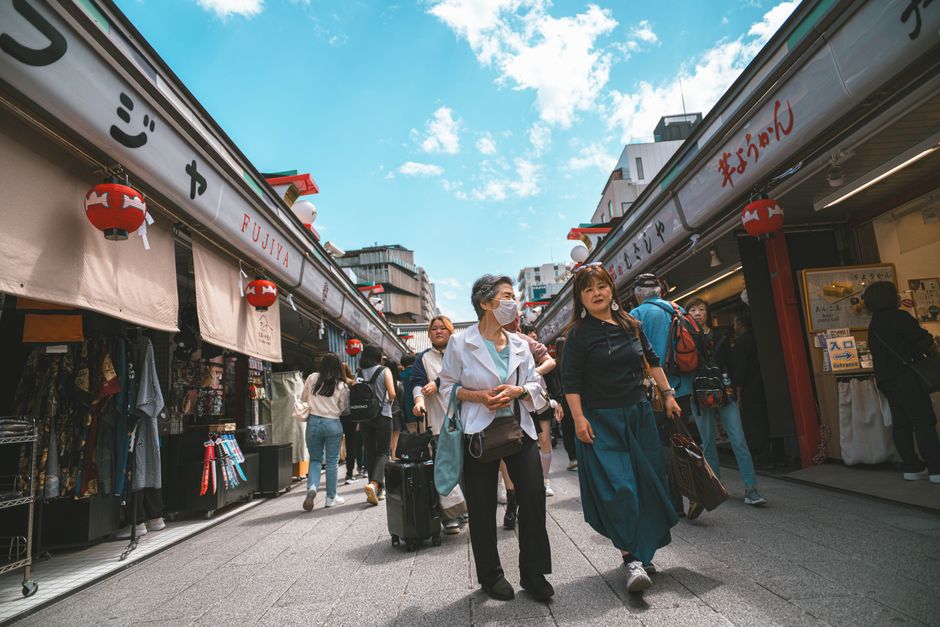
Yet the impact extends beyond convenience. A Ginza-based fintech startup has democratized business loans for the thousands of small shop owners along streets like Nakamise, reducing application times from weeks to hours. Ramen vendors, bookstore owners, and family-run izakayas can now access capital that Tokyo's traditional banking system routinely gatekeeps.
What distinguishes Tokyo's current moment is the maturation cycle. Unlike the hype-driven 2010s, today's ventures are built explicitly around local pain points rather than global fantasies. Venture capitalists here increasingly understand that solving Tokyo's problems—from aging infrastructure to hypercompetitive retail—isn't a stepping stone to global dominance. It's the entire business model.
For residents, the result is tangible: services work better, costs are lower, and time—that most precious Tokyo commodity—suddenly feels less scarce.
This article was compiled by AI from the sources linked above and screened before publishing. See our editorial standards.
How does this story make you feel?
Spread the word
About this article
Published by The Daily Tokyo
Daily brief
Free, in your inbox before 7am. Weekdays.
More in tech