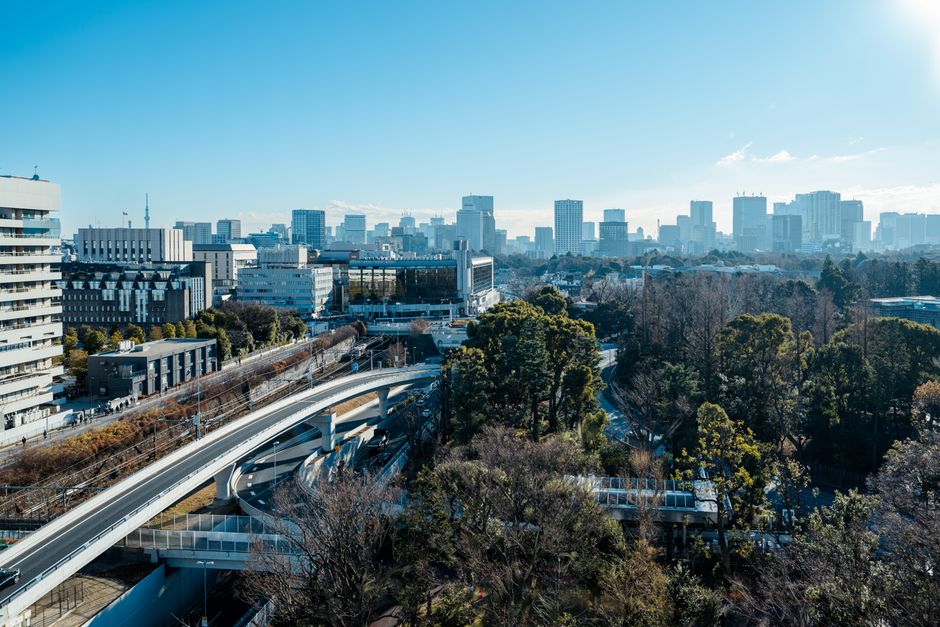
Walk through Shibuya Station during morning rush hour and you'll notice something that would have seemed impossible a decade ago: the station's lighting now runs almost entirely on solar panels integrated into its roof structure. For the 3.6 million daily commuters passing through Tokyo's major transit hubs, the shift represents a tangible change in how the city powers itself.
The transformation extends far beyond iconic intersections. In residential neighbourhoods like Meguro and Minato Ward, a growing number of apartment buildings have adopted AI-powered energy management systems that automatically adjust heating, cooling and lighting based on occupancy patterns and weather forecasts. Residents report monthly electricity bills dropping by 15-20 percent, a significant saving in a city where utility costs have traditionally ranked among Japan's highest.
"We're seeing real behavioural shifts," explains the Tokyo Metropolitan Government's sustainability division, which has tracked adoption rates since 2024. Solar installation in residential areas has increased 34 percent year-on-year, while community-based micro-grid projects in areas like Ikebakuro have reduced peak-hour energy demand by 8 percent.
The changes are most visible in Tokyo's waste management revolution. In Chiyoda Ward, small humanoid waste-sorting robots now operate alongside traditional collection points, reducing contamination rates from 12 percent to just 2.8 percent. For residents accustomed to Japan's notoriously strict recycling requirements—separating plastics, cardboard, metals and organics—these systems have made compliance considerably easier.
Green transport infrastructure is equally transformative. The expansion of Tokyo's electric bus network means residents in outer wards like Adachi and Katsushika now experience dramatically reduced air pollution from public transport. Parks in these areas report 23 percent increases in foot traffic over the past 18 months, suggesting environmental improvements are encouraging outdoor activity.
Home energy storage systems, once prohibitively expensive at ¥3.5 million (approximately $24,000), now cost under ¥1.2 million due to competition and government subsidies covering 40-60 percent of installation. Residents in apartment complexes throughout Setagaya Ward are pooling resources to install battery systems, effectively creating neighbourhood-level energy independence during peak demand periods.
For Tokyo's residents, green technology is no longer an abstract environmental goal—it's becoming embedded in mundane daily routines. Whether sorting waste more efficiently, paying lower utility bills or breathing cleaner air during commutes, the sustainability revolution is delivering immediate, measurable improvements to urban life.
This article was compiled by AI from the sources linked above and screened before publishing. See our editorial standards.