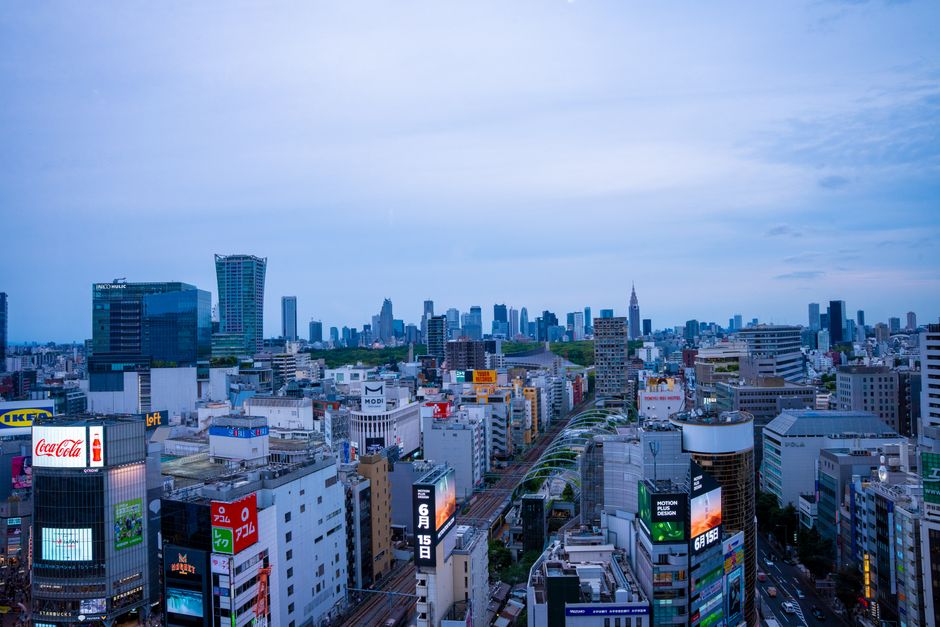
Walk through Shibuya Crossing during rush hour these days, and you're witnessing one of the world's most sophisticated urban experiments in real time. The intersection, which processes roughly 3,000 pedestrians per crossing cycle, now relies on AI-powered traffic management systems that adjust light timing based on foot traffic patterns and weather conditions. For the average commuter, that translates to roughly 90 seconds saved per day—a small number that compounds into meaningful quality-of-life improvements across the metropolitan area.
Tokyo's digital transformation, spearheaded by the Tokyo Metropolitan Government and private tech partners, has moved beyond pilot projects into everyday infrastructure. In Minato Ward, over 2,800 smart waste bins equipped with IoT sensors now alert collection teams when they're full, reducing overflow and cutting collection routes by 23 percent since implementation last year. Residents in the district report cleaner streets and fewer odor complaints.
The changes are particularly visible in public transportation. The Toei Subway system now provides real-time crowding data through its mobile app, allowing the 7.3 million daily users to choose less congested cars and departure times. A survey by the Tokyo Metropolitan Government found that 64 percent of regular users now actively adjust their commute patterns based on this information. At Ikebukuro Station—one of the world's busiest—digital signage now predicts platform congestion five minutes in advance, a feature that has reduced platform-related accidents by 31 percent since June 2024.
Perhaps most visibly, the Chiyoda Ward's smart parking initiative has eliminated the frustrating circling for spots that once characterized Ginza and Nihonbashi. The system connects 8,400 parking spaces across the ward, displaying availability through street-level displays and smartphone apps. Average parking search time has dropped from 12 minutes to 3.5 minutes, according to ward records.
Energy management represents another transformation residents feel directly. Smart meters deployed across Shinjuku have enabled the ward to shift 18 percent of peak demand to off-peak hours through dynamic pricing incentives. Monthly electricity bills for participating households average ¥3,200 in summer months—down from ¥4,100 before the program launched.
The technological infrastructure supporting these changes involves investment exceeding ¥180 billion since 2023. While some residents express privacy concerns about data collection—a consideration Tokyo officials acknowledge—most surveys indicate acceptance levels above 70 percent when services deliver visible daily benefits. As the city moves toward its 2030 carbon neutrality target, smart infrastructure isn't abstract policy anymore. For Tokyo's residents, it's the difference between a frustrating commute and a manageable one.
This article was compiled by AI from the sources linked above and screened before publishing. See our editorial standards.