Tokyo's Smart City Boom: How Billions in VC Funding Are Reshaping Urban Japan
Investment in government technology and digital infrastructure has surged 340% since 2023, positioning the capital as Asia's testbed for next-generation civic systems.
Investment in government technology and digital infrastructure has surged 340% since 2023, positioning the capital as Asia's testbed for next-generation civic systems.
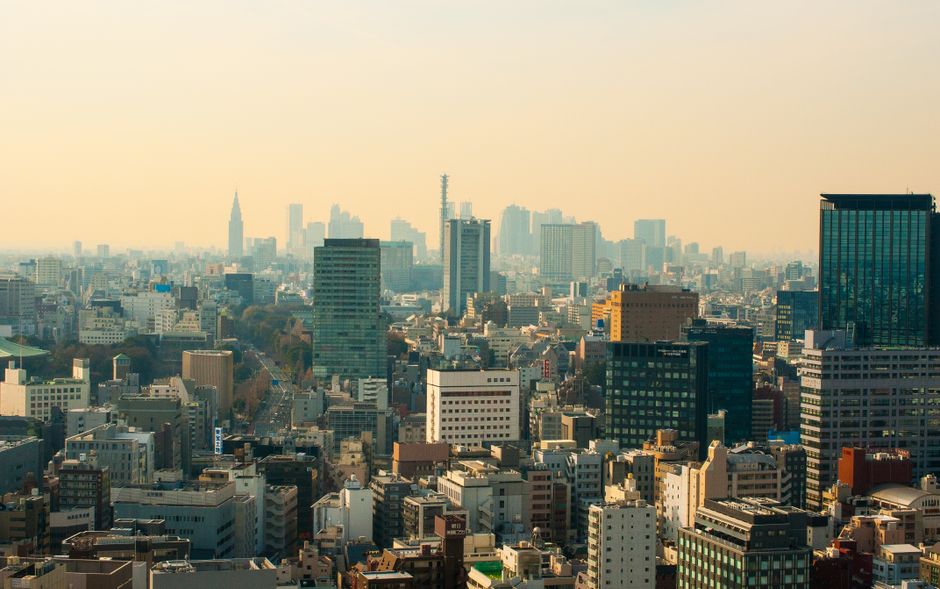
Tokyo's transformation into a smart city isn't happening by accident—it's being bankrolled by a wave of venture capital and corporate investment that has fundamentally altered the landscape of Japanese government technology.
Since early 2023, venture firms and strategic investors have poured approximately ¥185 billion ($1.25 billion USD) into Tokyo-based govtech and smart infrastructure startups, according to data compiled by Japan's Digital Agency and TechAsia Ventures. The figure represents a 340% increase from the previous three-year period, signalling a dramatic shift in how the capital's administration approaches citizen services and urban management.
The momentum has been especially visible in Minato Ward, where the Tokyo Metropolitan Government established its Digital Innovation Hub in 2024. Companies like Ayur AI and Urban Logic—both backed by major Japanese and international investors—have set up operations within walking distance of Roppongi Hills, developing systems for everything from real-time traffic optimization to predictive disaster response. Urban Logic, which raised ¥4.2 billion in Series B funding last year, now manages data systems across seven Tokyo wards.
The investment story extends beyond startups. Established players including NTT, Fujitsu, and SoftBank have collectively committed ¥310 billion to smart city infrastructure projects through 2030, with particular focus on areas like Shibuya and Shinjuku. Shibuya's new mobility hub—scheduled to open in late 2027—has attracted ¥89 billion in mixed funding, combining public bonds with private venture participation.
"This isn't just about technology for technology's sake," explains Kenji Yamamoto, an analyst at Tokyo Innovation Research. "Investors see Tokyo's aging society and aging infrastructure as solvable problems with digital tools. That's compelling for venture capital."
The funding wave reflects deeper economic logic. Tokyo's population is expected to decline 8% by 2050, while maintenance costs for aging systems continue climbing. Smart city solutions promise efficiency gains of 15-25% in water distribution, waste management, and traffic flow—metrics that increasingly attract institutional investors seeking both returns and measurable social impact.
Government support has been crucial. The Tokyo Metropolitan Government's 2025 innovation budget of ¥43 billion explicitly prioritizes digital transformation, while national initiatives like the "Society 5.0" framework continue channelling subsidies toward promising ventures.
As fiscal pressures mount on municipal budgets across Japan, Tokyo's govtech investment boom offers a template—and a potentially lucrative one for investors betting that digital solutions will become essential infrastructure in aging cities worldwide.
This article was compiled by AI from the sources linked above and screened before publishing. See our editorial standards.
How does this story make you feel?
Spread the word
About this article
Published by The Daily Tokyo
Daily brief
Free, in your inbox before 7am. Weekdays.
More in tech