Tokyo's Smart City Boom: How Billions in Venture Capital Are Reshaping Urban Infrastructure
With government backing and record-breaking funding rounds, Japan's capital is becoming a testbed for digital transformation—and investors are betting big.
With government backing and record-breaking funding rounds, Japan's capital is becoming a testbed for digital transformation—and investors are betting big.
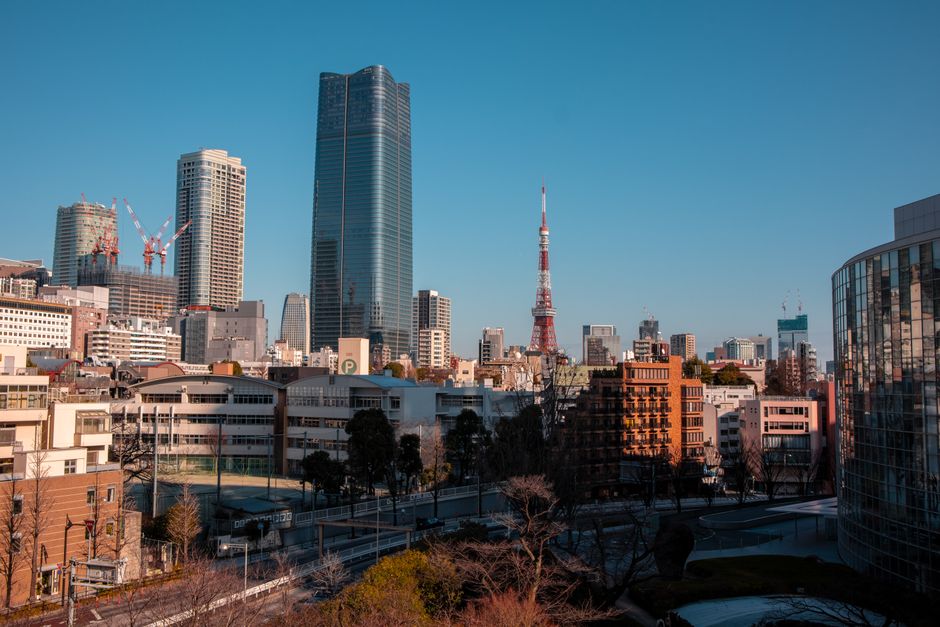
Tokyo's smart city infrastructure market is experiencing unprecedented growth, with venture capital and government investment pouring into the sector at levels not seen since the early days of Japan's internet boom. The transformation is reshaping how the city—home to 37 million people across the greater metropolitan area—manages everything from traffic congestion to energy distribution.
According to recent data from the Tokyo Metropolitan Government, public and private sector investment in digital urban infrastructure exceeded ¥180 billion ($1.2 billion USD) in 2025, nearly triple the 2022 figure. This year's projections suggest investment could reach ¥240 billion as major tech firms establish innovation hubs across Minato, Shibuya, and Chiyoda wards.
The funding surge reflects confidence in Japan's "Society 5.0" initiative—a government roadmap positioning Tokyo as a living laboratory for smart city technology. Chiyoda Ward's Marunouchi district has become ground zero for this transformation, hosting multiple startups developing IoT sensor networks, AI-powered traffic management systems, and blockchain-based municipal services. Real estate prices in the neighborhood have climbed 23 percent over two years as tech companies compete for office space near these innovation corridors.
"We're seeing institutional investors from Singapore, South Korea, and the United States enter the Tokyo market specifically to back govtech startups," said one analyst tracking the sector. Several Japanese venture firms have raised dedicated smart city funds, with the largest exceeding ¥50 billion in committed capital.
The Tokyo Metropolitan Government itself has accelerated digital spending, allocating ¥42 billion toward smart infrastructure over the next five years. Projects include AI-optimized traffic signals across Shinjuku and Shibuya, real-time flood prediction systems using satellite data, and a comprehensive digital identity platform launching in 2027. The Odaiba waterfront development—long positioned as Tokyo's tech showcase—is now serving as a testing ground for autonomous last-mile delivery systems and smart waste management.
Private-sector momentum is equally striking. Major telecommunications firms and construction companies have formed consortiums to bid on municipal contracts, while smaller startups are securing Series A and B funding rounds previously reserved for fintech or e-commerce ventures. Corporate venture arms from companies like Sony and Hitachi have expanded their smart city portfolios significantly.
The investment surge carries risks. Tokyo's aging infrastructure requires substantial capital to modernize, and some projects face adoption resistance from residents unfamiliar with new technologies. Yet investors appear undeterred, viewing Tokyo's dense urban environment, aging population, and government commitment as ideal conditions for scalable, profitable solutions that could be exported globally.
This article was compiled by AI from the sources linked above and screened before publishing. See our editorial standards.
How does this story make you feel?
Spread the word
About this article
Published by The Daily Tokyo
Daily brief
Free, in your inbox before 7am. Weekdays.
More in tech


