Walk through the Roppongi Hills complex on any clear afternoon, and you'll notice something that would have been rare a decade ago: gleaming solar panels integrated into residential building facades, feeding power directly into the grid. This visible shift represents a deeper transformation reshaping daily life across Tokyo's neighborhoods.
The numbers tell the story. Tokyo's renewable energy capacity has grown 34% since 2020, with solar installations now covering an estimated 8,200 rooftops across central wards. For residents in residential areas like Setagaya and Meguro, this transition means tangible changes in their utility bills and lifestyle choices.
Commuters using the JR Yamanote Line, one of the world's busiest rail networks, have noticed efficiency improvements as the system integrates regenerative braking technology—energy captured from slowing trains now powers station facilities and feeds surplus electricity back to the network. Journey times remain identical, but the carbon footprint per passenger has dropped approximately 12% since full implementation in 2024.
In Chiyoda's business districts, smart grid technology has become standard. Office workers at major centers near Tokyo Station now benefit from AI-managed heating and cooling systems that adjust automatically based on occupancy and weather patterns, reducing energy waste by roughly 22%. These aren't dramatic changes—buildings still feel comfortable—but cumulative savings reduce both costs and environmental impact.
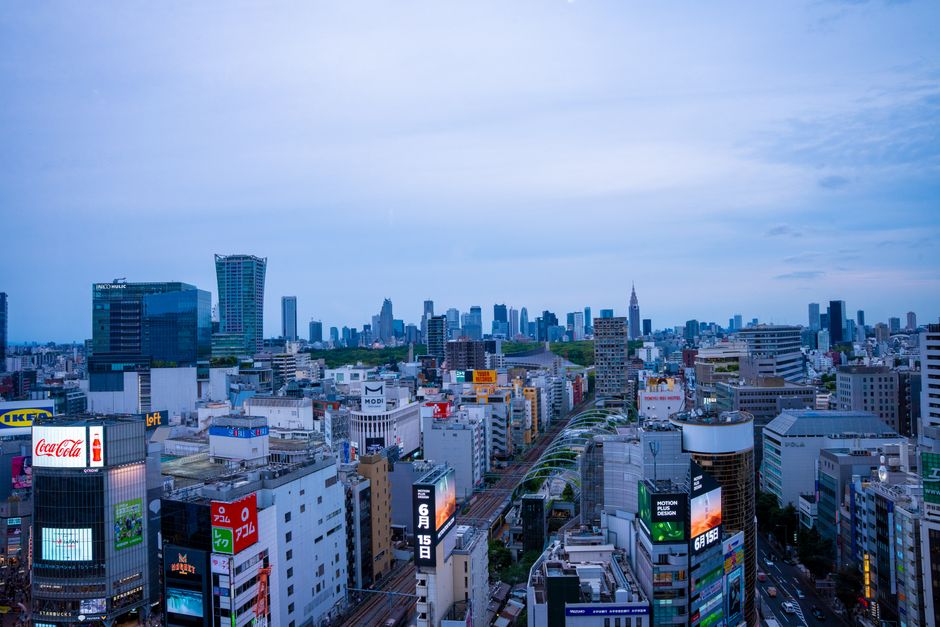
The shift extends to neighborhood level. Shopping streets in Harajuku and Shibuya have transitioned to LED street lighting with motion sensors, cutting nighttime energy consumption while maintaining safety. Local convenience stores, particularly in densely packed areas, increasingly feature rooftop solar arrays that offset daytime operations, a model now adopted by over 1,200 stores across Tokyo's 23 wards.
Perhaps most visible is the hydrogen infrastructure emerging near Odaiba and around the Port of Tokyo. A growing network of fuel cell charging stations serves both vehicles and delivery trucks, with costs now competitive with traditional petrol. Several residential complexes in waterfront areas have begun switching to hydrogen-based heating systems.
Yet challenges persist. Older neighborhoods in districts like Taito struggle with aging infrastructure unsuitable for renewable integration. Apartment dwellers in traditional areas often lack rooftop access for solar installation. The transition requires sustained investment and policy support.
Still, for most Tokyo residents, green technology has shifted from distant environmental abstraction to everyday reality. Whether through marginally lower heating bills, shorter charging times on commutes, or simply noticing solar panels becoming as common as air conditioners, the change is undeniable. The future isn't arriving dramatically—it's installing itself quietly across Tokyo's rooftops and streets.
This article was compiled by AI from the sources linked above and screened before publishing. See our editorial standards.