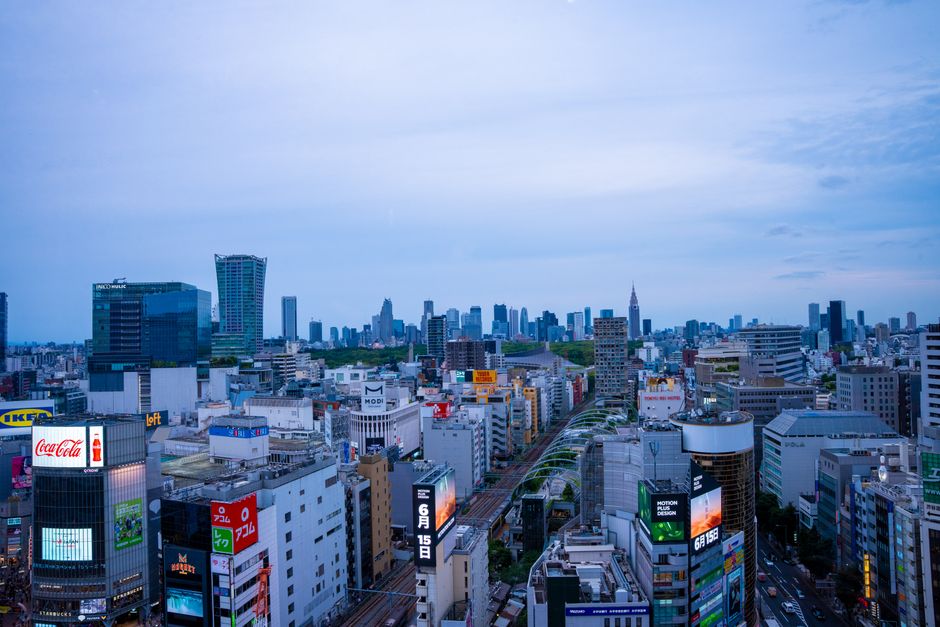
Walk through the gleaming office parks of Otemachi or the converted warehouses of Kuramae, and you'll hear the same refrain: artificial intelligence is reshaping Tokyo's economy. Last year, Japan's AI market reached ¥2.7 trillion, with the capital accounting for nearly 40 percent of national investment. Yet beneath the optimism lurks a uncomfortable reality—one that Tokyo's business leaders and policymakers are only beginning to confront.
The promise is genuine. AI-driven logistics firms in Chiba are slashing delivery times. Retailers across the Ginza corridor are using machine-learning systems to predict foot traffic and optimize inventory. A robotics cluster near Akihabara is attracting global talent and corporate partnerships worth billions. For many of Tokyo's 37 million residents, AI means faster services, smarter recommendations, and convenience that seemed science fiction a decade ago.
But the benefits are not evenly distributed. Tokyo's hospitality sector—employing roughly 180,000 workers—faces potential disruption as chatbots handle customer service and autonomous systems manage hotel operations. Mid-career workers in their 50s and 60s, particularly in administrative roles across corporate Tokyo, are discovering their skills have become commodities. Job retraining programs, while expanding, struggle to match demand. The Tokyo Metropolitan Government has allocated ¥15 billion for AI-skills education, yet critics argue it falls short of what displaced workers actually need.
Ethical questions simmer beneath the surface. A 2025 audit of hiring algorithms used by major corporations in Tokyo's financial district revealed persistent bias against women and older applicants—problems the firms claimed to have addressed, yet clearly hadn't. Who audits the auditors? Few mechanisms exist. Data privacy remains fraught; Tokyo residents generate vast amounts of personal information that feeds AI systems, yet consent is often buried in terms-of-service pages written in opaque language.
Then there's the labor dimension. Contract workers in Shibuya's content-moderation centers—tasked with training AI systems to recognize harmful content—report psychological strain and wages that haven't risen in three years. These jobs, invisible to most consumers, are simultaneously crucial infrastructure and deeply precarious.
Tokyo's tech leadership isn't ignoring these issues. Industry groups and the metropolitan government launched a voluntary ethics framework in 2025. But voluntary measures have historically moved slowly. As venture capital continues flooding into AI startups clustering around Roppongi and Marunouchi, the city faces a critical choice: allow the market to sort winners and losers, or develop robust governance structures that capture AI's benefits while protecting the most vulnerable. For a city already grappling with demographic decline and labor shortages, getting this balance wrong could be costly.
This article was compiled by AI from the sources linked above and screened before publishing. See our editorial standards.