Tokyo's startup scene is abandoning fixed desks—and reshaping how innovation happens
As remote work becomes the default, Shibuya and Shinjuku coworking spaces are evolving into collaborative hubs that blur the line between office and community.
As remote work becomes the default, Shibuya and Shinjuku coworking spaces are evolving into collaborative hubs that blur the line between office and community.
Walk into WeWork's Roppongi location on any Tuesday morning and you'll see a pattern that would have seemed unthinkable five years ago: more than half the desks sit empty. The same is true across Tokyo's premium coworking operators, where the traditional 9-to-5 office model has quietly collapsed, replaced by something far more fluid and unpredictable.
The numbers tell the story. Since 2024, Tokyo's coworking sector has contracted by 12 percent in terms of dedicated memberships, according to data from the Japan Coworking Association. Yet paradoxically, the number of active coworking spaces has grown—with 287 facilities now operating across the metropolitan area, up from 203 in 2022. The shift reflects a fundamental realignment: startups and established tech firms are no longer paying premium rates for guaranteed desk space. Instead, they're seeking flexible, event-driven venues where collaboration happens on demand.
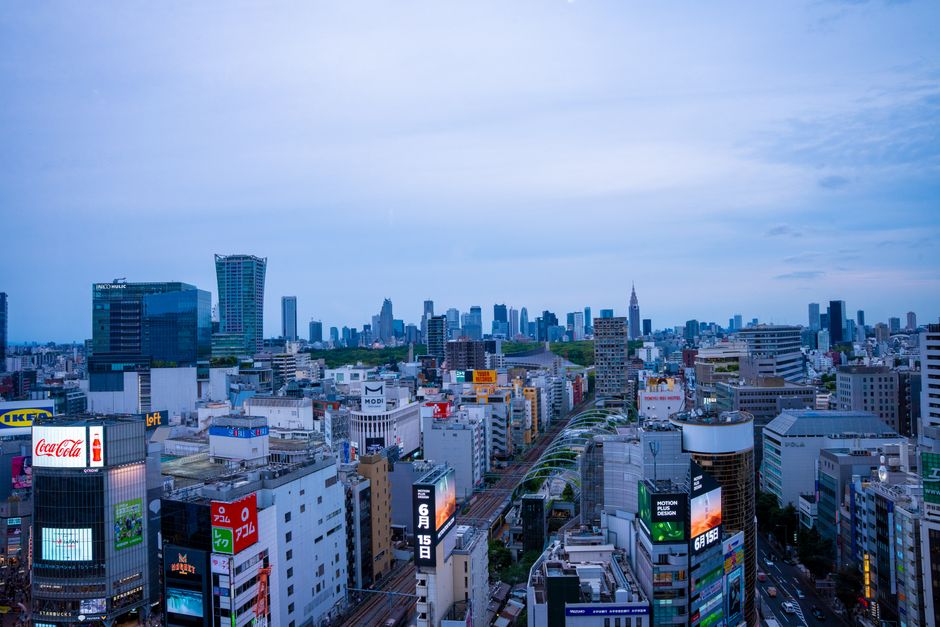
In Shibuya, where rents have stabilized around ¥35,000 per month for hot-desking memberships, operators are doubling down on programming rather than square footage. Spaces like Sanctuary and The Hive have shifted toward hosting industry-specific workshops, pitch events, and skill-sharing sessions that draw drop-in participants. The logic is clear: value now comes from proximity to the right people at the right moment, not permanent real estate.
Meanwhile, in Shinjuku's rapidly developing south exit precinct, a new wave of subsidy-backed spaces is targeting early-stage founders with government support. Tokyo Metropolitan Government's recent initiative has seeded twelve new coworking hubs with reduced rates for startups in their first two years, reflecting policymakers' recognition that the traditional incubator model no longer serves emerging companies.
For remote workers themselves, the implications are profound. Rather than choosing between home isolation and expensive downtown offices, Tokyo's distributed workforce now navigates a complex ecosystem of neighborhood-based spaces, corporate-sponsored lounges, and pop-up venues that appear and disappear based on demand. A developer might work from a quiet spot in Meguro on Mondays, collaborate in a Shibuya event space on Wednesdays, and remain fully remote on Thursdays.
This fragmentation poses challenges for operators betting on high utilization rates, but it reflects a maturation of how Tokyo's tech community actually works. The coworking boom of 2019-2021 assumed workers wanted escape from home offices. The reality emerging in 2026 is more nuanced: they want optionality, community filtered through intention, and the freedom to choose context based on their work's demands.
The fixed desk, it seems, is becoming a relic.
This article was compiled by AI from the sources linked above and screened before publishing. See our editorial standards.
How does this story make you feel?
Spread the word
About this article
Published by The Daily Tokyo
Daily brief
Free, in your inbox before 7am. Weekdays.
More in tech