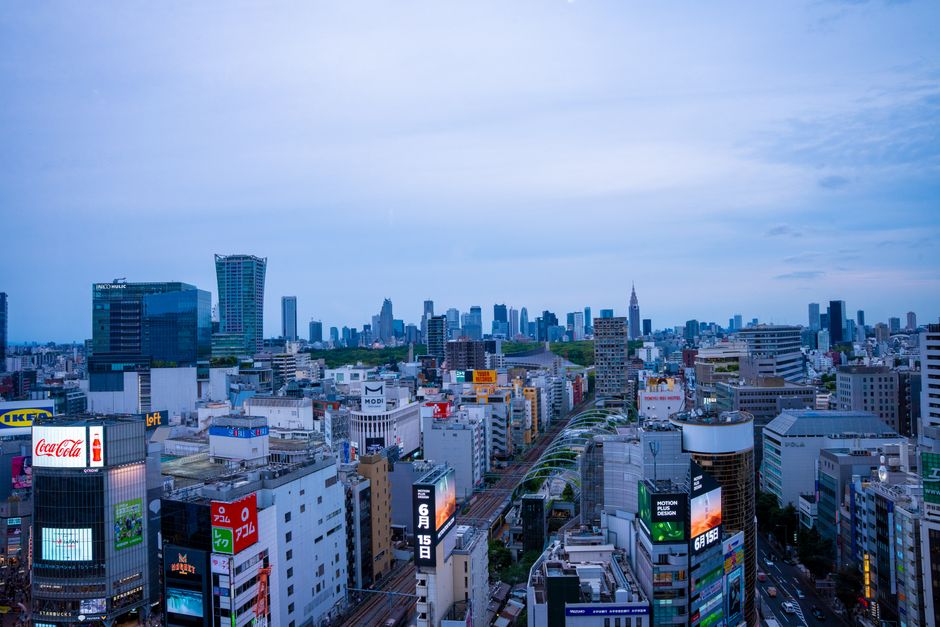
Walk through Akihabara's electronics district today and you'll witness something that distinguishes Tokyo's artificial intelligence moment from Silicon Valley's move-fast-and-break-things culture: a city engineering AI solutions for a fundamentally different problem than most tech hubs face.
Tokyo's tech ecosystem confronts a demographic crisis head-on. Japan's median age sits at 49.5 years—nearly a decade higher than the United States. This isn't a problem to sidestep; it's a compass point for innovation. Companies across Minato ward and beyond are building AI systems designed specifically to support elderly workers, automate physically demanding tasks in manufacturing, and bridge labour shortages in hospitality and healthcare. The market urgency is real and immediate.
This constraint breeds distinctive solutions. At manufacturing facilities in Kawasaki and surrounding prefectures, Japanese companies aren't merely automating jobs—they're deploying AI systems that work alongside aging workforces, enhancing rather than replacing human workers. Precision engineering traditions dating back decades mean these systems must integrate seamlessly into existing production lines worth billions of yen.
The regulatory environment shapes innovation differently too. Japan's Society 5.0 initiative, backed by the government and implemented through institutions like the National Institute of Informatics in Chiyoda, has embedded ethical AI considerations into development from inception. This differs markedly from the move-first-regulate-later approach that characterised other markets. Robot ethics isn't theoretical discourse here—it's embedded in how companies structure teams and allocate R&D budgets.
Venture capital tells part of this story. While Tokyo's startup funding trailed Silicon Valley historically, the AI inflection has changed dynamics. Japanese VCs invested approximately $3.2 billion in AI-focused startups in 2025, a 34% year-on-year increase. Much of this capital concentrates in Shibuya and Shinjuku, where founders are tackling problems most Western engineers have never encountered at scale.
The cultural element matters too. Japanese manufacturing companies bring decades of kaizen—continuous improvement philosophy—to AI development. This orientation produces systems designed for refinement over time rather than disruptive overhauls. It's slower-moving but potentially more stable for businesses integrating AI into legacy operations.
For international observers, Tokyo's AI ecosystem offers a crucial lesson: distinctive advantage emerges not from mimicking dominant playbooks but from building solutions that address your actual context. Tokyo's tech future won't look like California's precisely because Tokyo's problems don't look like California's. That's becoming its greatest competitive advantage.
This article was compiled by AI from the sources linked above and screened before publishing. See our editorial standards.