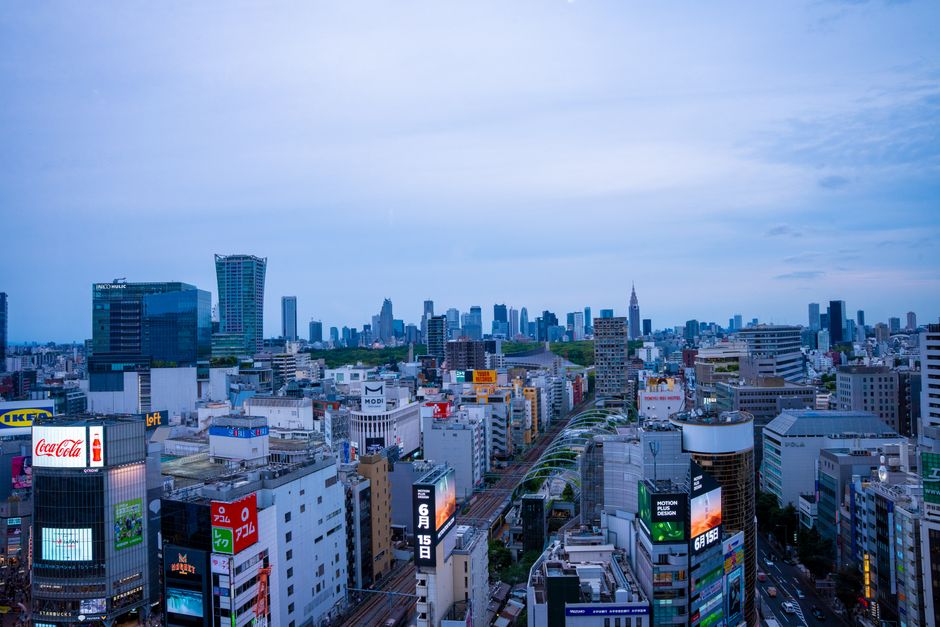
Walking through Shibuya Station during peak commute hours, it's easy to miss the subtle shift beneath your feet. The station's platform lighting now runs on a hybrid solar-battery system installed in 2024, reducing peak-hour electricity demand by 18 percent. For the 2.7 million daily commuters passing through Tokyo's transport hub, it's invisible infrastructure—but it's part of a broader transformation reshaping how residents experience energy in their city.
The momentum is tangible across Tokyo's 23 wards. In Minato, residential solar adoption has grown 34 percent since 2024, with rooftop panels now visible on roughly one in five apartment buildings along Roppongi Hills and the surrounding neighborhoods. Installation costs have dropped to ¥1.8 million for a standard 5-kilowatt system, down from ¥2.4 million three years ago. For homeowners, Tokyo's subsidy program—offering up to ¥600,000 in rebates—has made the economics compelling.
But the real transformation extends beyond solar. Smart grid technology deployed across Chiyoda and Shibuya wards now allows residents to monitor energy consumption in real time via smartphone apps. Local convenience store chains including major operators in Shinjuku have integrated AI-powered refrigeration units that reduce energy use by 22 percent compared to 2020 models. Subtle changes—dimmer lighting that brightens as customers approach—are barely noticeable but cumulatively significant.
Electric vehicle adoption is accelerating too. Tokyo now has 847 public charging stations, triple the number from 2023, with clusters in Ginza, Akihabara, and Odaiba making EV ownership increasingly practical for commuters. Battery technology improvements have extended vehicle range to 500+ kilometers, addressing the range anxiety that previously deterred buyers.
For everyday residents, these shifts translate into lower energy bills and reduced grid stress during summer months when air conditioning demand peaks. Average household electricity costs have stabilized despite rising demand, a direct result of distributed renewable generation offsetting traditional power plant reliance.
The Japanese government's goal of achieving 36 percent renewable energy by 2030 is becoming less abstract when you notice solar panels on your apartment building in Meguro or charge your car at a station powered partly by offshore wind farms.
Tokyo's green transition isn't dramatic or revolutionary—it's incremental, practical, and increasingly woven into the fabric of metropolitan life. That's precisely what makes it significant.
This article was compiled by AI from the sources linked above and screened before publishing. See our editorial standards.