Technology
Tokyo's Venture Capital Explosion: How Record Funding Is Reshaping the City's Innovation Landscape
With early-stage investments hitting record highs in 2026, Tokyo's startup ecosystem is attracting global capital and transforming neighbourhoods from Shibuya to Nihonbashi into innovation hubs.
How we reported this
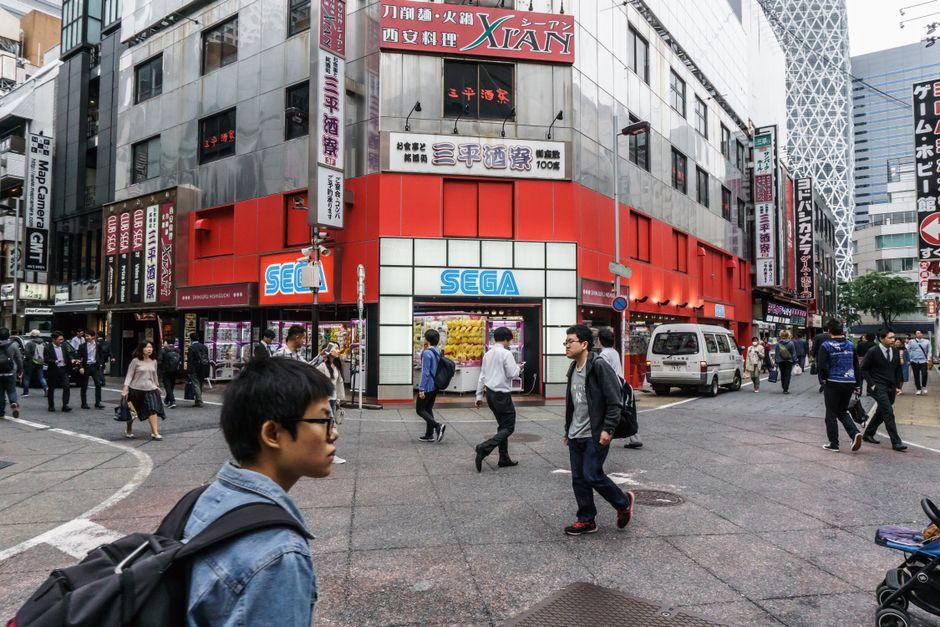
Tokyo's venture capital scene has undergone a dramatic transformation over the past eighteen months, with investment figures reaching levels not seen since the dot-com era. According to data from the Japan Venture Capital Association, early-stage funding across the metropolitan area has surged 47 percent year-on-year, signalling a fundamental shift in how the city's startup ecosystem attracts and deploys capital.
The epicentre of this boom is the Nihonbashi district, where what locals now call the "Innovation Mile" stretches along Chuo-dori. Historically a financial services stronghold, the neighbourhood has transformed into a magnet for venture funds and incubators. Three major VCs have opened new offices here in the past twelve months, with lease rates climbing to ¥15,000 per square metre-a 23 percent jump from 2024. Nearby Marunouchi has similarly benefited, with several corporate venture arms establishing dedicated innovation labs.
The funding influx reflects a broader confidence in Tokyo's ability to compete globally. Foreign venture capital now accounts for approximately 34 percent of all early-stage investments in the capital, up from 19 percent three years ago. American and Southeast Asian funds are particularly active, seeking opportunities in AI infrastructure, climate-tech, and fintech solutions tailored to Japan's ageing population.
Shibuya remains the cultural heart of startup activity, though rising rents-averaging ¥22,000 per square metre in premium office space-have pushed many early-stage founders to adjacent areas like Harajuku and Omotesando. Co-working spaces have exploded in response, with membership fees ranging from ¥50,000 to ¥150,000 monthly depending on location and amenities.
The growth extends beyond central wards. Odaiba has emerged as a secondary hub, particularly for hardware startups and deep-tech ventures backed by larger strategic investors from the manufacturing sector. Kawasaki and Yokohama, part of the broader metropolitan ecosystem, are capturing manufacturing-focused funding rounds that would previously have required Tokyo presence.
However, observers caution against overheating. Median Series A valuations have doubled since 2023, with some analysts warning of unsustainable expectations. Labour shortages remain acute-technical talent commands premiums of 15-20 percent above regional averages-and regulatory uncertainty around cryptocurrency and data privacy continues to deter certain investor classes.
Still, the trajectory is unmistakable. Tokyo's venture ecosystem, once seen as insular and tradition-bound, is now competing directly with Singapore, Seoul, and San Francisco for ambitious founders and patient capital. By year-end, venture investment is projected to exceed ¥800 billion, cementing the city's position as a tier-one global innovation centre.