Tokyo's Startup Scene Shifts as VCs Tighten Purse Strings Amid Global Uncertainty
Rising interest rates and geopolitical tensions are reshaping how Shibuya and Shinjuku's tech founders access capital in mid-2026.
Rising interest rates and geopolitical tensions are reshaping how Shibuya and Shinjuku's tech founders access capital in mid-2026.
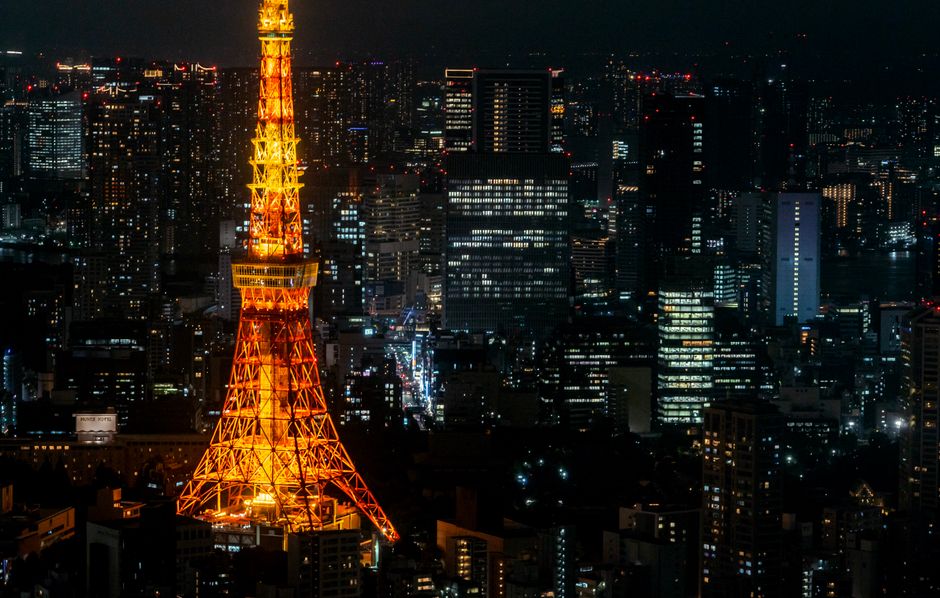
Tokyo's venture capital landscape is experiencing a pronounced contraction as global instability ripples through local funding channels. With ongoing tensions in the Middle East and African health crises dominating headlines, institutional investors are recalibrating their risk appetites, directly impacting the startup ecosystem that has flourished in Shibuya and Shinjuku over the past five years.
Data from the Tokyo Venture Capital Association shows that Q2 2026 funding rounds dropped 23 percent compared to the same period last year, with average check sizes shrinking from ¥800 million to ¥620 million. The slowdown particularly affects Series A and B-stage startups clustered around the Roppongi Hills innovation hub and WeWork locations in Minato ward, where operational costs have already climbed 18 percent since 2024.
"We're seeing a flight to quality," says the venture ecosystem at large, with established firms like Rakuten Ventures and Sony Innovation Fund focusing capital on founders with proven revenue traction rather than speculative moonshots. Early-stage accelerators in the Akihabara district report that applications remain robust—up 31 percent year-on-year—but conversion rates to funding have tightened considerably.
Notably, foreign-denominated investments have become more attractive to Japanese startups navigating currency fluctuations. Several prominent founders have relocated operational decisions to Singapore hubs while maintaining Tokyo development centers, a pattern that worries local government officials tasked with retaining tech talent in the capital.
The disruption has created unexpected opportunities in specific sectors. Climate tech and semiconductor-adjacent ventures focused on AI infrastructure continue attracting patient capital, particularly from strategic corporate investors in Kawasaki's manufacturing belt. Conversely, consumer-facing apps and mobility startups—sectors that dominated funding narratives just 18 months ago—face significantly longer fundraising cycles.
Community spaces like the Tokyo Metropolitan Government's startup support facility in Otemachi are reporting heavier foot traffic from founders seeking mentorship and networking alternatives to expensive pitching events. The annual TechCrunch Disrupt Tokyo, typically held in October, has already announced reduced corporate sponsorship commitments.
Despite headwinds, venture partners interviewed for this story emphasize that Tokyo's structural advantages—deep technical talent pools, proximity to manufacturing partners, and government R&D incentives—remain compelling long-term. The question facing the ecosystem now is whether the present funding drought represents a necessary market correction or the beginning of a prolonged retrenchment that could push ambitious founders toward competing hubs in Asia.
This article was compiled by AI from the sources linked above and screened before publishing. See our editorial standards.
How does this story make you feel?
Spread the word
About this article
Published by The Daily Tokyo
Daily brief
Free, in your inbox before 7am. Weekdays.
More in tech