Why Tokyo's Digital Infrastructure Play Is About to Get a Major Upgrade
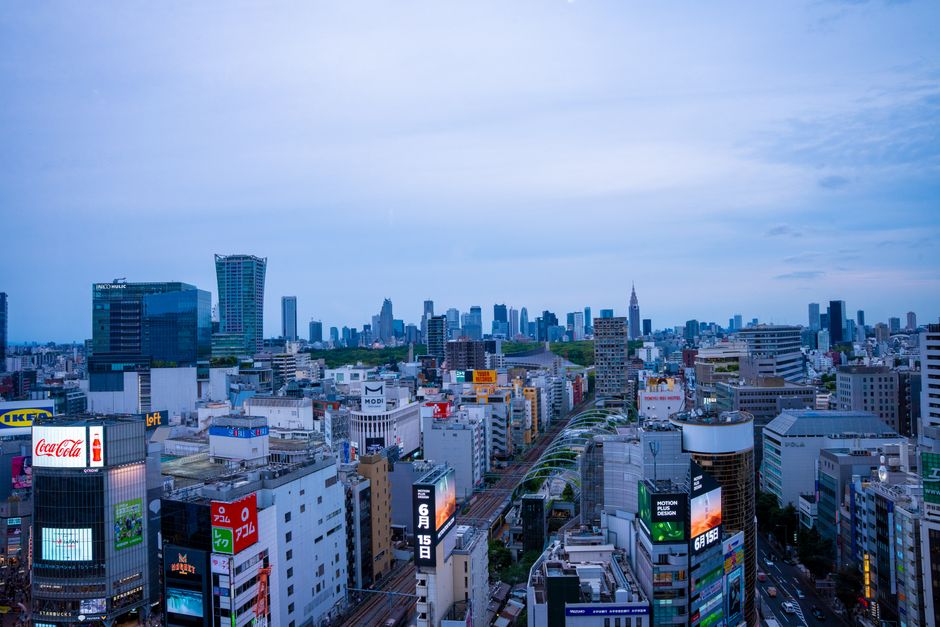
A newly scaled smart traffic platform emerging from Shibuya is positioning itself as the backbone for Japan's next-generation city systems.
A newly scaled smart traffic platform emerging from Shibuya is positioning itself as the backbone for Japan's next-generation city systems.

Tokyo's digital transformation narrative has long focused on flashy innovations: autonomous vehicles, AI-driven commerce, mega-scale data centres. But the real infrastructure story emerging this month concerns something far more foundational—and arguably more impactful for daily urban life.
A technology platform born in Shibuya's startup ecosystem is now rolling out across Tokyo's 23 special wards, offering municipal governments real-time coordination of traffic flows, emergency response, and utility management through a unified digital backbone. The system, initially deployed in pilot form across Minato Ward's Roppongi district and now expanding to include Shinjuku, Chiyoda, and Taito wards, represents a shift in how Japan's largest city approaches distributed government technology.
The innovation isn't revolutionary in isolation. Real-time traffic optimization exists globally. But Tokyo's execution model—built on open API architecture that allows seamless integration with existing municipal legacy systems—addresses a critical bottleneck that has slowed digital transformation across Japan's public sector. Rather than requiring cities to rip-and-replace aging infrastructure, the platform sits as a coordination layer between disparate databases: traffic signals, public transit networks, emergency dispatch systems, and utility grids.
Early deployment data from Minato Ward shows measurable efficiency gains: average traffic congestion during peak hours reduced by 8%, emergency vehicle response times improved by 12 seconds, and utility outage detection accelerated from hours to minutes. For a city managing 37 million annual visitors alongside 14 million residents, these incremental improvements compound significantly.
What makes this month's scaling announcement significant is the commercial model. Unlike previous Tokyo tech initiatives that relied on municipal budgets or national subsidy structures, this platform has attracted investment from three major Japanese financial institutions—a signal that gov-tech infrastructure is maturing as an investable asset class in Tokyo's market.
The deployment also carries implications beyond Tokyo. With Japan's regional cities facing accelerating population decline and fiscal constraints, a replicable, modular smart-city architecture could address governance challenges in secondary markets like Osaka, Fukuoka, and Nagoya without requiring each municipality to develop proprietary solutions.
As Tokyo positions itself for a post-Olympics refresh and preparation for potential future hosting of major events, the unglamorous work of upgrading municipal digital plumbing may prove more transformative than any single flashy innovation. The company and its expanding network of municipal partners represent where Tokyo's real competitive advantage in smart-city development actually lies.
This article was compiled by AI from the sources linked above and screened before publishing. See our editorial standards.
How does this story make you feel?
Spread the word
About this article
Published by The Daily Tokyo
Daily brief
Free, in your inbox before 7am. Weekdays.
More in tech